
Summary of Open Source Server Room Monitor using Arduino
This article outlines a low-cost, high-performance server room environmental monitoring system built using the Sprout Board and Arduino. It details the necessary hardware components for assembly, including sensors for temperature, humidity, and sound, along with an Ethernet shield and LCD screen. The guide provides step-by-step instructions for assembling the chassis, mounting components, connecting sensors, and loading custom software to ensure equipment safety.
Parts used in the Server Room Environmental Monitoring System:
- Sprout Board
- Arduino Duemilanove
- Ethernet shield
- Rack Mount Chassis
- LCD Screen
- Audio Board
- Temperature / Humidity Board
- Power Supply
- Screws, glue, and tools
This server room environmental monitoring system is a low cost high performance device with the same onboard features as commercial devices costing hundreds of dollars more. In addition to a low cost platform we will provide low cost sensors for many important devices to insure your equipment stays safe and sound.

Full instructions are available at sproutboard.com as well as several kits to create some very unique projects.
Step 1: Stuff you will need…
You will need a few parts for this build as follows:
Sprout Board: sproutboard.com
Arduino Duemilanove: Trossen Robotics
Ethernet shield: Sparkfun.com
Rack Mount Chassis: sproutboard.com
LCD Screen: Sparkfun.com
Audio Board: Sparkfun.com
Temperature / Humidity Board: sproutboard.com
Power Supply: Sparkfun.com
Odds and ends, screws, glue, tools, etc…
Step 2: Putting it togeather
Step 1:
The assembly of the sprout board is very simple and requires very little experience with soldering. There are a few places where adding components can get cramped, but if you take your time it will be very easy.
Step 2:
Mount your arduino, ethernet shield and lcd screen
Step 3:
Glue the chassis togeather
Step 4:
Mount the board on the chassis
Step 3: Add accessories
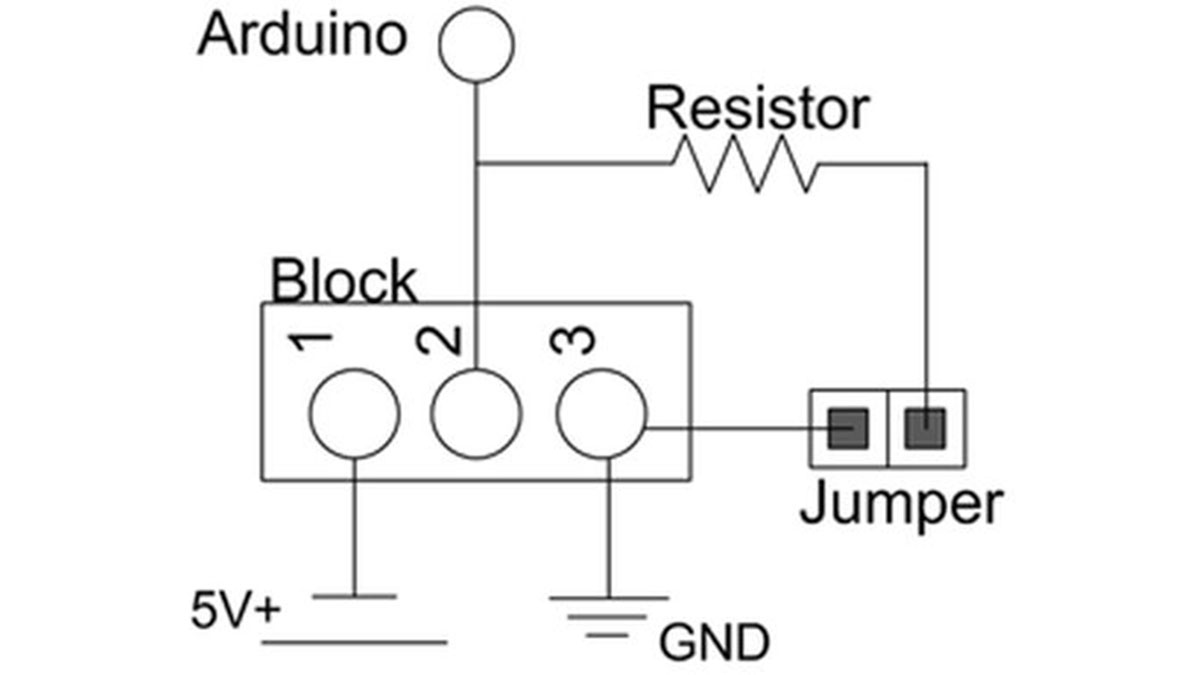
Next plug in any sensors you want to. I am using a temp/humidity and sound sensors.
Step 4: Load Software and do a happy dance!
So all we need to do is load our software and do a Happy Dance!
Use this link so anyone can download the pde that will test the system. This also is an excellent framework to customize your application.
Arduino Duemilanove
Ethernet shield
For more detail: Open Source Server Room Monitor using Arduino
- What is the main purpose of this project?
To create a low cost high performance device for server room environmental monitoring that keeps equipment safe. - How can I obtain full instructions for this build?
Full instructions are available at sproutboard.com along with several kits. - Can I customize the application software?
Yes, the provided pde download serves as an excellent framework to customize your application. - Does the assembly require advanced soldering experience?
No, the assembly requires very little experience with soldering if you take your time. - Which sensors are mentioned as examples for this system?
The author uses a temp/humidity board and sound sensors. - What steps are required before loading the software?
You must mount the arduino, ethernet shield, and lcd screen, glue the chassis, and mount the board on the chassis. - Where can I find the software to test the system?
A link is provided to download the pde file that will test the system. - Is this system more expensive than commercial devices?
No, it is a low cost platform with features similar to commercial devices costing hundreds of dollars more.
