
Summary of RC CAR BECOMES CABLE CAM
This article describes a DIY cable cam project built by repurposing an RC car, an old HP printer, and 3D printed parts. The creator combined the RC car's remote control system with a motor from the printer to create a camera mount that moves along a cable strung between structures. This solution addresses the limitations of flying drones in obstructed terrain or executing precise shots without expensive equipment.
Parts used in the DIY Cable Cam:
- RC Car
- HP Printer
- Arduino
- Drive Electronics
- Motor (from printer)
- RF Remote Control components
- 3D printed custom widgets
The prevalence of drones has made airborne photography much more widespread, especially among hobby photographers and videographers. However, drone photos aren’t without their problems. You have to deal with making the drone follow the shot which can be difficult unless you have a very expensive one. Worse, you can’t really fly a drone through heavily wooded or otherwise obstructed terrain.
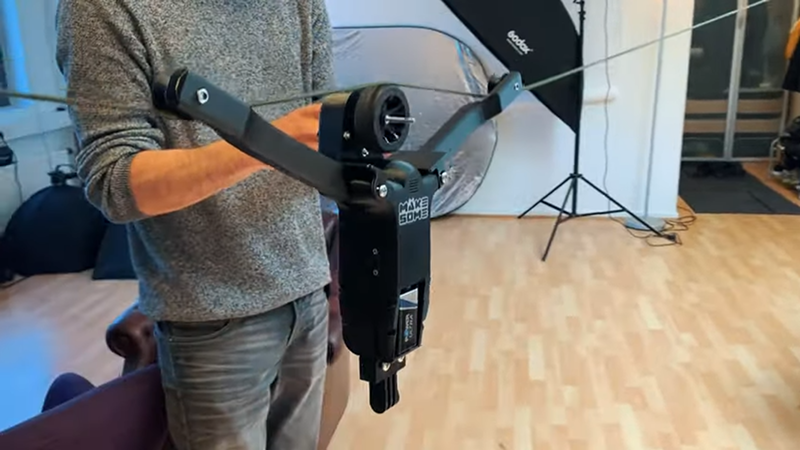
[Makesome’s] friend faced these issues and wanted to buy a cable cam — a mount for the camera that could go back and forth on a cable strung between two trees or other structures. Instead of a design from scratch, they decided to cannibalize a cheap RC car along with an HP printer and the effect — as you can see in the video below — is pretty good.
Repurposing toys is an honored tradition and, after all, what do you need but a motor that goes forward and reverses? We can’t help but notice though that toy hacking is much easier now that you can 3D print custom widgets to connect everything together.
The video isn’t really a tutorial because you will likely start with a different car and have different needs. But there’s enough info there to give you some ideas. It looks like the car’s contribution was mostly the RF remote control portions. There’s also an Arduino and some drive electronics to take care of the motor donated by an old printer.
If you prefer to slide your camera on a rail, we’ve seen many setups for that. Or try a camera dolly on wheels.
Source: RC CAR BECOMES CABLE CAM
- Why was this DIY cable cam project created?
The project was created because drone photos have problems like difficulty following specific shots and inability to fly through heavily wooded or obstructed terrain. - What is a cable cam according to the article?
A cable cam is defined as a mount for the camera that can go back and forth on a cable strung between two trees or other structures. - Which items were cannibalized to build the device?
The builder decided to cannibalize a cheap RC car along with an HP printer to create the effect. - What role does the Arduino play in this setup?
An Arduino is used along with some drive electronics to take care of the motor donated by an old printer. - What part of the RC car was primarily utilized?
The video indicates that the car's contribution was mostly the RF remote control portions. - How does 3D printing help in toy hacking projects?
Toy hacking is much easier now that you can 3D print custom widgets to connect everything together. - Is there a step-by-step tutorial included in the video?
No, the video is not really a tutorial because you will likely start with a different car and have different needs. - What alternative camera movement setups are mentioned?
The article mentions sliding your camera on a rail or trying a camera dolly on wheels as alternatives.
