
Projects

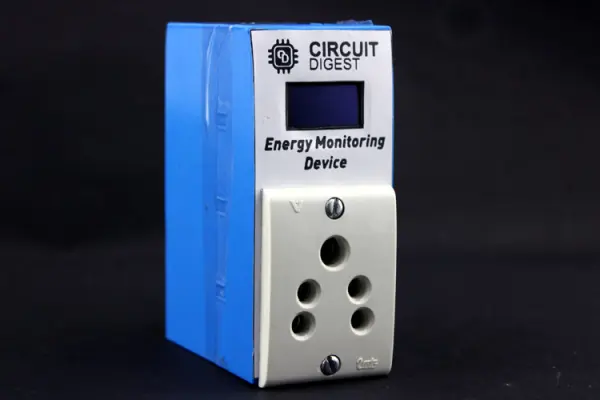
ESP32 Energy Monitoring Device

Creating a DIY device for monitoring power consumption using ESP32

Electrical appliances, such as smartphones chargers and room heaters, play a crucial role in our everyday routines. This includes larger devices like air conditioners and washing machines. With the ongoing worldwide energy crisis, it is essential to understand the electricity usage of these devices. Although our monthly electricity bills give us a broad view of

Creating a DIY device for monitoring power consumption using ESP32 Continue Reading

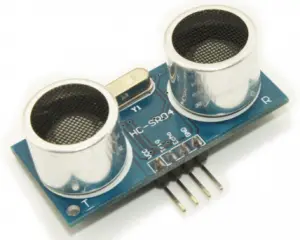
Ultrasonic Sensor

Hands-On Arduino Uno Projects for Engineering Beginners

The Arduino UNO, powered by ATmega328P, stands as a microcontroller equipped with 14 digital I/O pins, among which 6 facilitate PWM output. Additionally, it features 6 analog inputs, a 16 MHz quartz crystal, a USB connection, a power jack, an ICSP header, and a reset button. This Uno serves as a user-friendly plug-and-play device. To

Hands-On Arduino Uno Projects for Engineering Beginners Continue Reading

I described a way of making a very sensitive device like this but it requires a lot of experimental setup

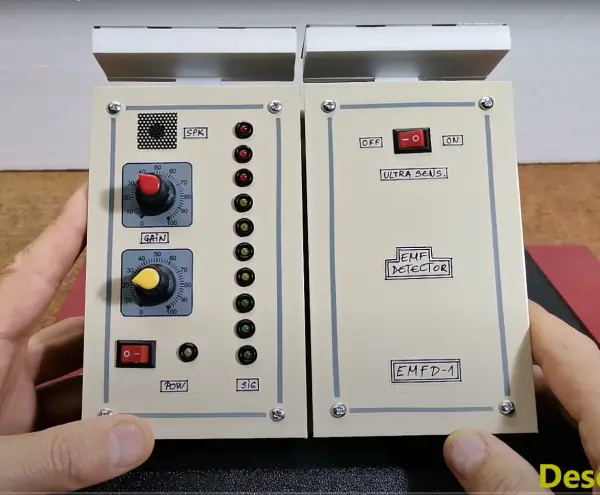
Arduino Magic: Building an Easy EMF Detector from Scratch

The EMF detector showcased in this video utilizes a minimal number of components, making it straightforward to construct without the need for any tuning. It functions excellently right from its initial power-on, requiring no adjustments. Project description An EMF (electromagnetic field) meter serves the purpose of gauging electromagnetic radiation within a specific space. Its function

Arduino Magic: Building an Easy EMF Detector from Scratch Continue Reading

Illuminate Your Space Crafting an Arduino Sunflower

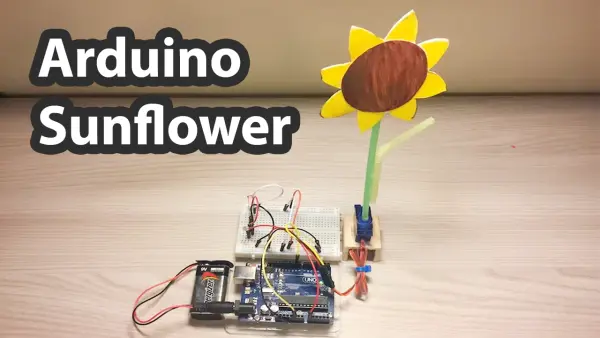
Illuminate Your Space: Crafting an Arduino Sunflower

Introduction Arduino isn’t solely for complex projects; it can also serve as a platform for simpler ones, imparting valuable skills to beginners. Our aim is to demonstrate the fun side of electronic components, educating others about circuits and components. In this tutorial, let’s embark on creating an Arduino Sunflower DIY project. This type of project

Illuminate Your Space: Crafting an Arduino Sunflower Continue Reading

Compiling and Uploading

Arduino IDE: Transforming Digital Electronics in PHYS 432

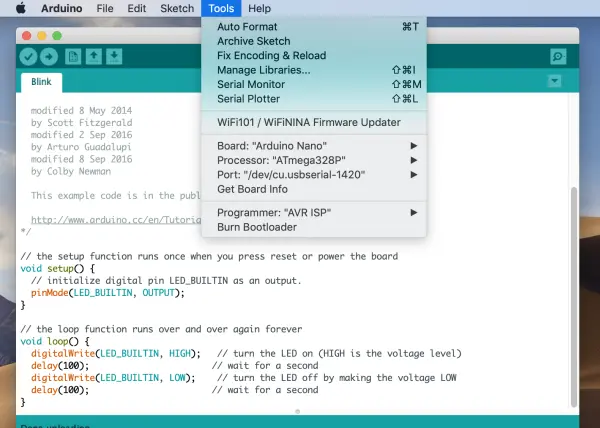
Introduction This guide provides a concise overview of initiating Arduino microprocessor programming through the Arduino Integrated Development Environment (IDE). While these instructions cater specifically to the Arduino Nano board utilizing the ATmega328 microprocessor, a similar process should be applicable to various Arduino boards. Please note that this guide does not serve as a comprehensive introduction

Arduino IDE: Transforming Digital Electronics in PHYS 432 Continue Reading

Connection

Sound Off: Silencing Noise Pollution with Arduino and IoT

Increasing noise levels have become a major issue in many urban areas today due to factors like population increases, urban development, and technological advancements. Moreover, excessive noise from a neighbor or colleague can seriously impact one’s well-being and quality of life. Conversations conducted at high volumes in office settings are understandably disruptive. Having a coworker

Sound Off: Silencing Noise Pollution with Arduino and IoT Continue Reading

Authors prototype for Window Alarm Annunciator

Enhance Home Security with a DIY Arduino Window Alarm Annunciator

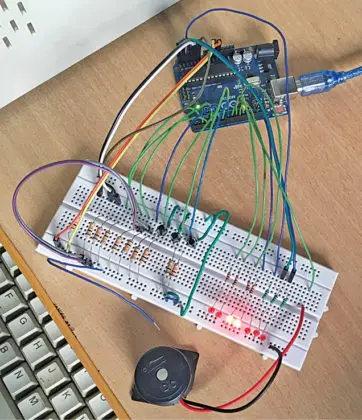
This project demonstrates an Arduino Uno-based window alarm annunciator system. Annunciators are commonly employed in industrial settings like manufacturing facilities, power plants, and other process operations to monitor changing plant conditions. The annunciator alerts operators to any abnormal or deviant parameter readings that require attention. Similarly, such a device can serve as a home security

Enhance Home Security with a DIY Arduino Window Alarm Annunciator Continue Reading

Authors prototype of the transmitter side

Craft Your Own Wireless Frequency Meter with Arduino: A DIY Guide

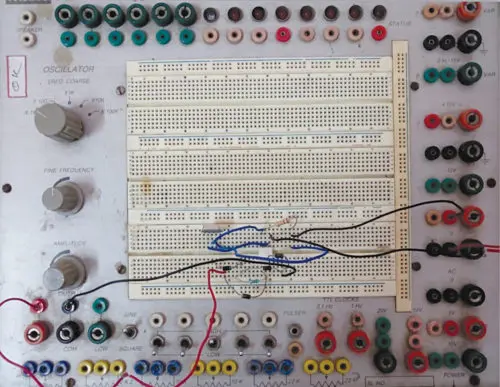
This project details the development of a wireless Arduino frequency meter capable of determining the frequency of AC sinusoidal waveforms between 50Hz and 3kHz. Figures 1 and 2 depict the prototype hardware constructed for the transmitting and receiving functions. Figure 1 shows the transmitting circuit board which incorporates the frequency sensing components. Figure 2 presents

Craft Your Own Wireless Frequency Meter with Arduino: A DIY Guide Continue Reading

Circuit diagram of the LED flasher using Arduino

Dazzle Your Eyes with a Twinkling LED Symphony: Learn to Create Your Own LED Display

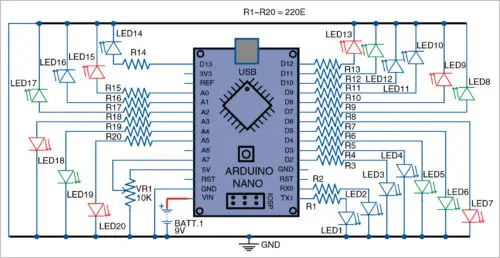
This circuit demonstration showcases a random LED flasher controlling twenty lights. LED flashers and sequencers are commonly employed in decorative lighting applications to produce aesthetically pleasing color patterns. Rather than steadfast illumination, these systems cycle LEDs on and off in either a predetermined sequence or at irregular intervals. The latter approach generates a more dynamic,

Dazzle Your Eyes with a Twinkling LED Symphony: Learn to Create Your Own LED Display Continue Reading

Scroll to Top