News & Updates

Lattice FPGA Voice Processors

Lattice FPGA Voice Processors

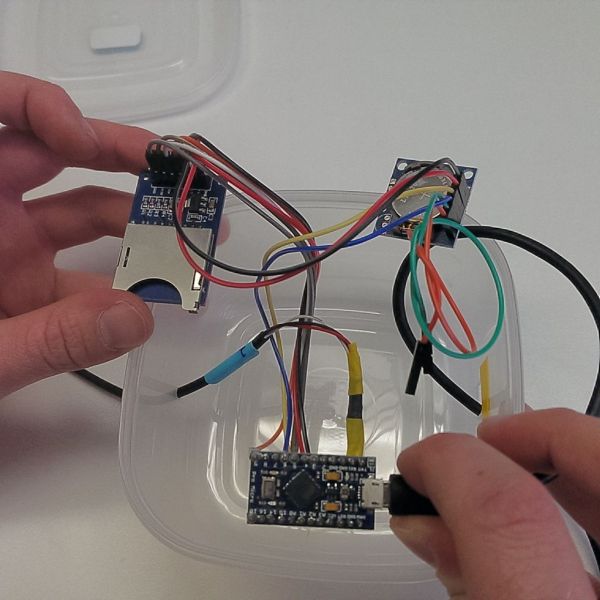
Voice Detection & Recognition Solutions Enabling Always-On Voice Input Applications While Maximizing Battery Life Low Power, Always-on, Accurate, Responsive Consumers increasingly want to use voice commands to interact with their smartphones and other consumer electronic devices. Enabling reliable and accurate voice input applications while simultaneously minimizing the impact to battery life is a clear priority […]

Lattice FPGA Voice Processors Continue Reading
LED light bulb

LED light bulb record, and more lm/W from Lumileds

Californian phosphor firm Intematix and Lumileds are claiming record efficiency for an LED lightbulb: 203 lm/W for a remote-phosphor lamp. “It is believed that this module represents the highest level of efficacy among LED-based light sources commercially available for production in the market today,” said Intematix. Remote phosphor lamps use blue LEDs, with the white-producing

LED light bulb record, and more lm/W from Lumileds Continue Reading

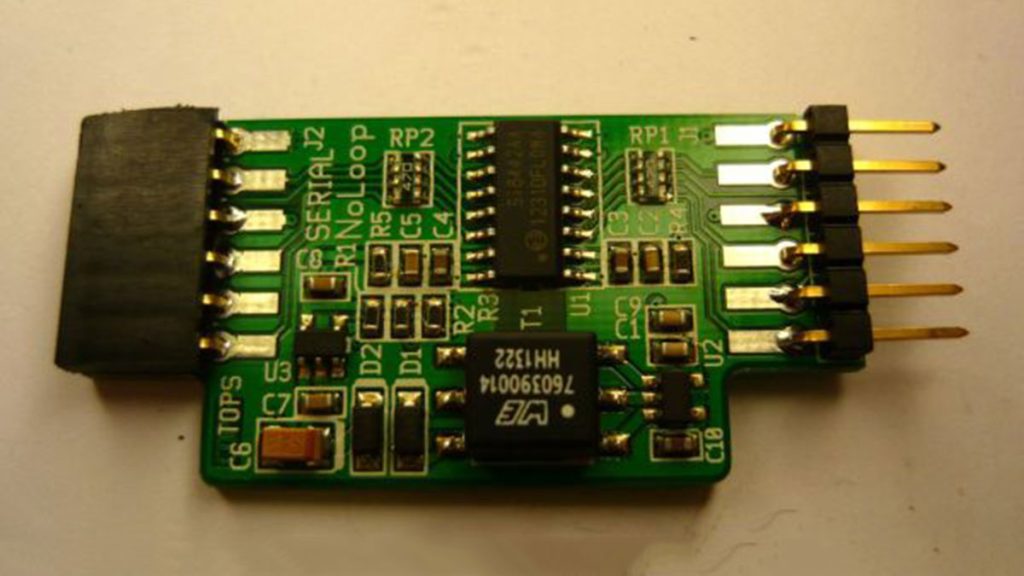
NoLoop Serial and SPI isolator Breaking ground loops with galvanic isolation

NoLoop – Serial and SPI isolator Breaking ground-loops with galvanic isolation

Electronics work by interconnections. Normally, you’d think that a potential at one point on a wire is the same everywhere. However, that is (mostly) not the case and all kinds of aspects can pop up that make the potentials differ at different locations. Old-timers may remember connecting a printer to a computer and getting zapped

NoLoop – Serial and SPI isolator Breaking ground-loops with galvanic isolation Continue Reading

Researchers combine logic

Researchers combine logic, memory to build a ‘high-rise’ chip

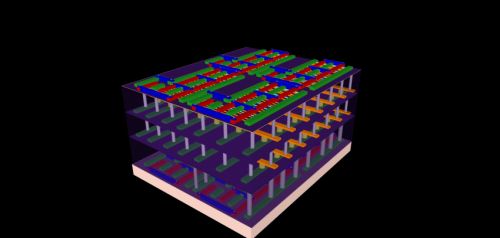
This illustration represents the four-layer prototype high-rise chip built by Stanford engineers. The bottom and top layers are logic transistors. Sandwiched between them are two layers of memory. The vertical tubes are nanoscale electronic …more For decades, the mantra of electronics has been smaller, faster, cheaper. Today, Stanford engineers add a fourth word – taller.

Researchers combine logic, memory to build a ‘high-rise’ chip Continue Reading

Scroll to Top