meter

Capacitance Meter

Capacitance Meter

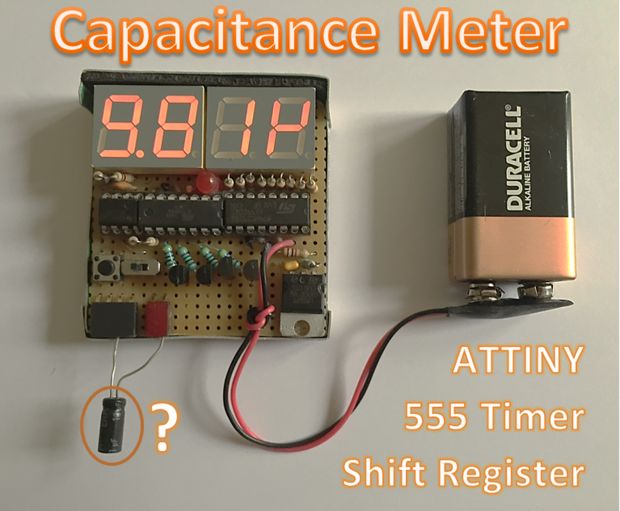
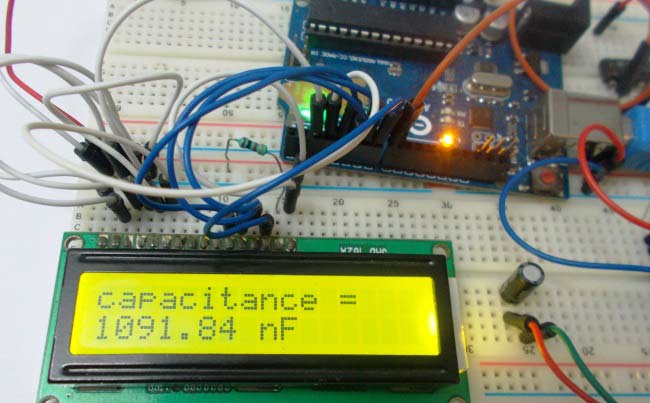
Capacitors are vital components in electronics, but sometimes they are broken, or the value printed on the cap has become unreadable. Because my multi-meter does not have a capacitance measurement, I decided to make one! The principle of measuring capacitance is quite simple. The voltage of a capacitor charging through a resistor increases with time

Capacitance Meter Continue Reading

1st MEMS Spectrometer Debuts

1st MEMS Spectrometer Debuts

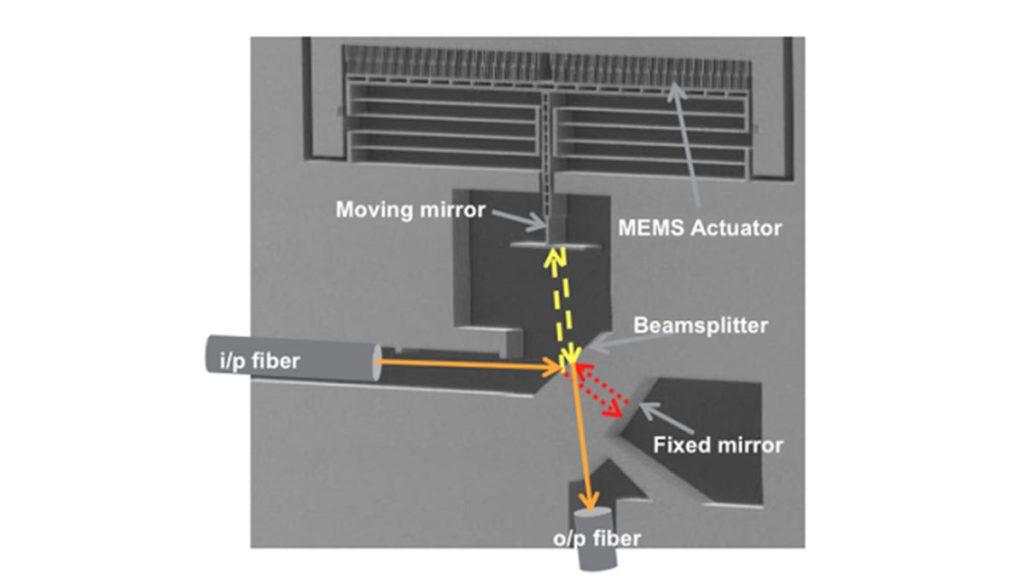
PORTLAND, Ore. — The world’s first microelectromechanical system (MEMS) spectrometer on-a-chip was shown today at at Photonics West (San Francisco, February 10-12) by Si-Ware Systems (SWS, Cairo, Egypt with offices in La Canada, Calif.) Instead of transporting materials across sometimes great distances to be analyzed with a normal bench-top spectrometer, Si-Ware’s MEMS-powered spectrometer fits in

1st MEMS Spectrometer Debuts Continue Reading

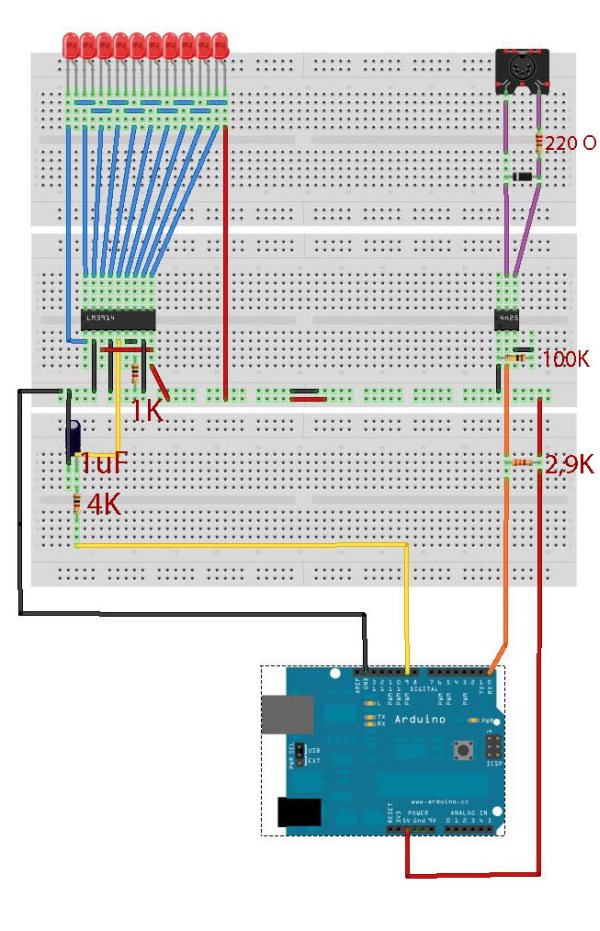
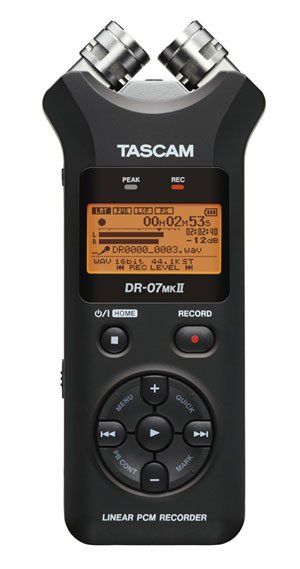
Arduino project Stereo Peak Program Meter

Arduino project: Stereo Peak Program Meter using arduino

Previously, we introduced the Arduino’s analog-to-digital converter (ADC) in detail, looking at successive-approximation A-D conversion and how it’s the best compromise between speed and cost. This time, we start putting some of that theory into practice by building a stereo peak-program meter. Our Peak Program Meter (pictured above) takes audio from any phone or tablet.

Arduino project: Stereo Peak Program Meter using arduino Continue Reading

Power Meter using Arduino

Power (Energy) Meter using Arduino

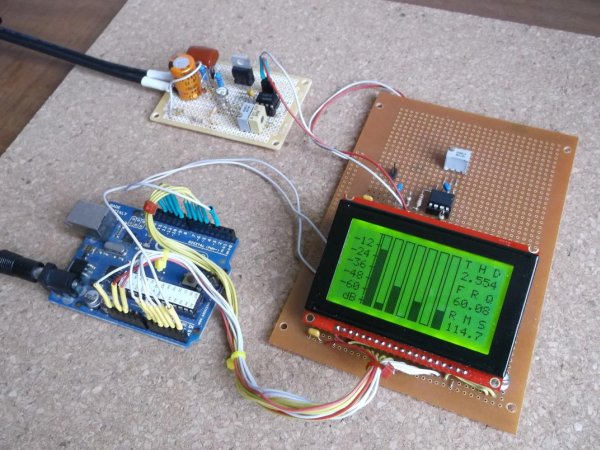
Part 1.  Analog Front-End. Opto-Isolator. Looking at the Power Quality Analyzer display, I was wandering, if there is any error in the measurement results, introduced by transformer. Overall THD picture doesn’t change much, suspiciously drawing same chart in the morning and in the evening, when electrical grid load significantly differs. Obviously, to estimate effect of

Power (Energy) Meter using Arduino Continue Reading

Audio VU Meter using Arduino 1

Audio VU Meter using Arduino

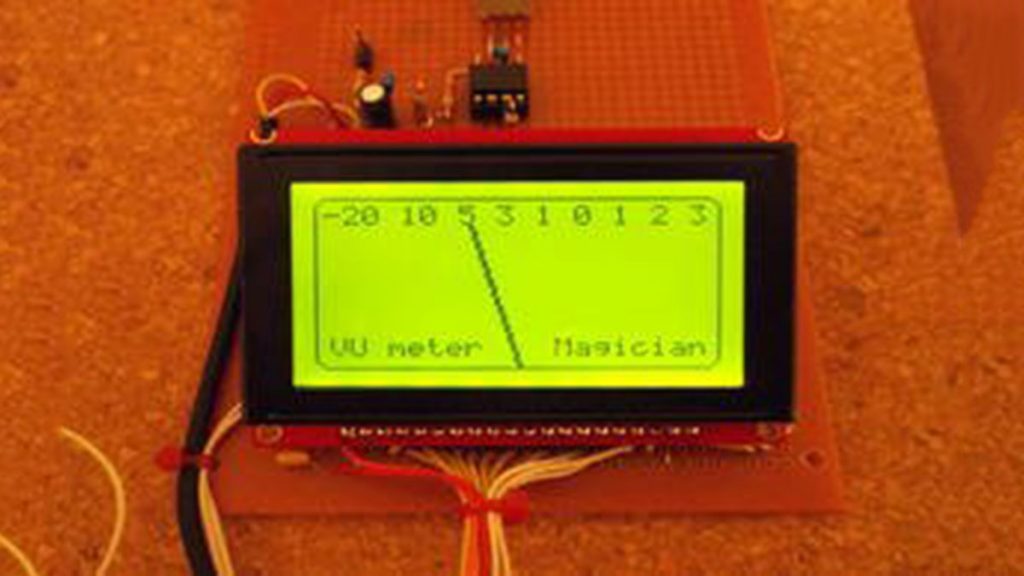
Biasing AC input using resistor divider and scaling up / down if necessary; Sampling fast and accurately using direct access to Control Registers of ADC and Timer1; Subtract whatever was added at step #1 from result of Analog / Digital conversion and Square; Average / accumulate, filtering following VU specification; Sqrt – take square root,

Audio VU Meter using Arduino Continue Reading

Scroll to Top