
Summary of AAEON BOXER-8120AI: AI MONITORING FOR FEVER AND PPE COMPLIANCE
AAEON’s BOXER-8120AI edge platform is used to help monitor mask compliance and fever detection in public transport during COVID-19. Deployed in high-traffic settings like Taipei Metro, it combines AI-driven facial recognition with thermal detection to reduce false alarms and staff workload, enabling accurate identification of passengers not wearing masks or with elevated temperatures.
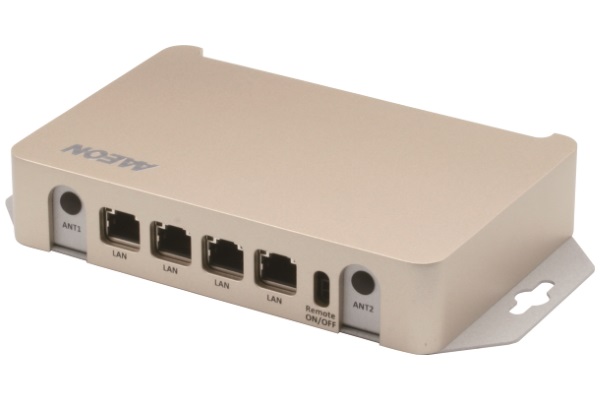
Parts used in the BOXER-8120AI:
- Nvidia Jetson TX2HMP Dual Denver 2 + Quad ARM A57
- AAEON ACLinux 4.9 (Ubuntu 18.04 compliance)
- 4GB LPDDR4
- 32GB eMMC 5.1
- RS-232 x 2
- USB 3.0 x 2
- OTG x 1
- HDMI 2.0 x 1
- LAN x 4 (Intel i211 x 3, Native x 1)
- Micro-SD x 1
- Remote On/Off
- Power input: 10~24V
In light of the ongoing pandemic, nations around the world are putting into place various practices to help curtail the spread of COVID-19. One common rule among these is the requirement to wear masks or personal protective equipment (PPE) out in public, as well as barring anyone with a fever. However, observing large numbers of people in such detail can be overwhelming for security teams and staff. AAEON’s BOXER-8120AI is being deployed by developers to assist in monitoring for such breaches of newly imposed rules.
On April 3rd, the task force in charge of the Taiwan CDC’s efforts, the Central Epidemic Command Center (CECC), imposed new rules requiring the wearing of masks on public transportation, with stiff fines for failing to comply. Also included were rules restricting access to those whose body temperature is above 37.5°C (99.5°F). With an average of over two million passengers each day, monitoring and enforcing these rules on Taipei’s Metro system is daunting to say the least.
Utilizing artificial intelligence, authorities can reduce the workload of the task, allowing security and staff to effectively monitor passengers without requiring a ramping up of personnel. Some developers are deploying the BOXER-8120AI embedded edge platform to power this innovative and important role.
Features
- Nvidia Jetson TX2
- HMP Dual Denver 2 + Quad ARM A57
- Support AAEON ACLinux 4.9, Compliance with Ubuntu 18.04
- 8GB LPDDR4, 32GB eMMC 5.1
- RS-232 x 2, USB3.0 x 2, OTG x1
- HDMI 2.0 x 1, LAN x 4 (Intel i211*3, Native*1)
- Micro-SD x 1, Remote On/Off
- Power input: 10~24V
Traditional monitoring equipment usually involves only using infrared cameras. However, the surrounding environment can interfere with readings, leading to missed reports and false alarms, with the requirement to adjust data afterwards. Utilizing AI technology with deep learning, the application can combine both facial recognition with thermal detection to accurately detect those who are violating mask requirements, or have fevers.
Read more: AAEON BOXER-8120AI: AI MONITORING FOR FEVER AND PPE COMPLIANCE
- What is the BOXER-8120AI used for?
It is used to monitor mask compliance and detect fevers using AI in public settings. - How does BOXER-8120AI improve monitoring accuracy?
By combining facial recognition with thermal detection and deep learning to reduce false alarms and missed reports. - Can BOXER-8120AI reduce staff workload?
Yes, AI monitoring helps reduce the workload of security teams and staff. - What processor does the BOXER-8120AI use?
It uses the Nvidia Jetson TX2HMP Dual Denver 2 plus Quad ARM A57. - What operating system does the BOXER-8120AI support?
It supports AAEON ACLinux 4.9 and is compliant with Ubuntu 18.04. - What are the memory and storage specifications?
It has 4GB LPDDR4 and 32GB eMMC 5.1. - What I/O ports are available on the BOXER-8120AI?
It includes RS-232 x 2, USB 3.0 x 2, OTG x 1, HDMI 2.0 x 1, LAN x 4, and Micro-SD x 1. - What LAN configuration does the BOXER-8120AI have?
It has four LAN ports: three Intel i211 and one native. - What power input does the BOXER-8120AI require?
Power input is 10 to 24V. - Does the BOXER-8120AI address environmental interference in thermal readings?
Yes, combining AI and deep learning with thermal detection helps mitigate environmental interference that affects infrared-only systems.
