
Summary of 10 Ways Arduino Projects Can Help Improve Your Business
Arduino enables businesses to innovate efficiently by fostering prototyping, team collaboration, and automation. The article highlights ten strategic applications, including creating custom prototypes, monitoring resources remotely, automating repetitive tasks, developing proprietary security systems, and building smart facility controls. By leveraging this open-source platform, companies can reduce reliance on third-party vendors, enhance in-house capabilities, and drive cultural growth through creative problem-solving.
Parts used in the Arduino-based development projects:
- Arduino microcontroller board
- Sensors (power usage, temperature, fan speeds)
- Wi-Fi module
- Camera with remote tilt and pan features
- Fingerprint sensor
- Card scanner
- RFID scanning sensor
- Robotic bot components
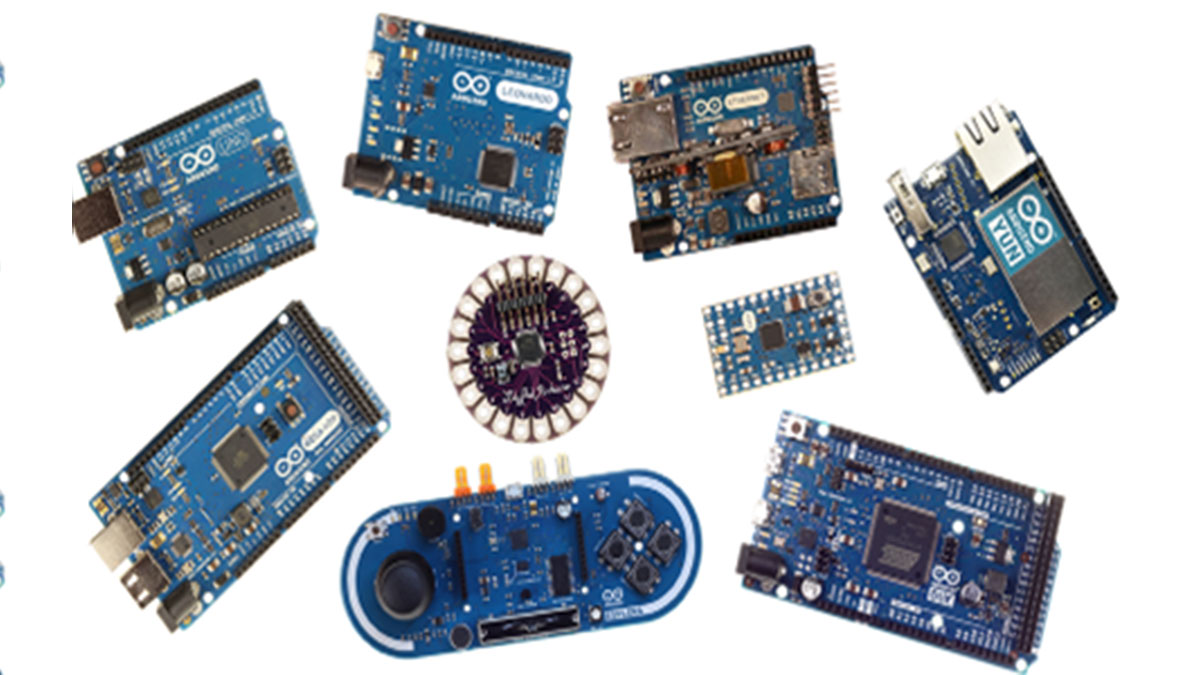
As you might already know, Arduino is a compact microcontroller (programmable circuit board) and software combination that can be used as the basis for building a variety of electronic devices. While tech enthusiasts have been using Arduino to create fun and interesting inventions as a hobby, many entrepreneurs and corporate leaders haven’t yet realized how this device can be used to create unique business solutions and influence employee mindsets in a positive way. Here are 10 ways carrying out Arduino-based development projects can help your company’s culture and efficiency:
1. Creating Prototypes for Custom Products
One fact learned while earning a supply chain management master’s degree online is that bringing a new product to the market is the fastest way to corner a niche. With Arduino, tech startups can simplify the process of creating in-house prototypes that can serve as the foundation for a mass-manufactured product that could wind up boosting the company’s revenue by millions. When you compare this to the conventional process of dealing with overseas manufacturers, tinkering with Arduino is certainly more convenient and allows for greater creative freedom.
2. Promoting Effective Team Work
Getting some of your technically proficient employees together in a group and having them work together on an Arduino project is a great corporate team-building exercise. Plus, it will give you the opportunity to see which employees are most advanced in this area of technology, which might come in handy later when you’re putting together a team for a specific purpose.
3. Sparking Creativity and Discussion
Whenever you initiate constructive conversation in a corporate setting, it can be beneficial for building productive bonds and getting to know your employees. Arduino projects typically start with a collective brainstorming session, which is never a bad thing when the goal is to improve communication and collaboration at your company. Depending on which industry your company operates in, you might even find that the first Arduino project becomes the basis for a new branch of products or services.
4. Inventing On-Site Solutions
Every company has on-site challenges that need to be dealt with, whether it be minor inconveniences or severe workflow deficiencies. Arduino devices can do just about anything you can imagine from a technological perspective, so chances are you might be able to rig up something that will make your working life just a little bit easier at the office or shop. The coolest part about Arduino development is that you can usually find help from other developers through the forums, so if you need a solution but you’re not sure how to build it, there’s always guidance available.
5. Remote Resource Monitoring
Some companies have already started using Arduino to create electronic devices that can remotely record and transmit resource data such as power usage, surface and air temperatures, fan speeds, network status, and other critical information. The Arduino platform is Wi-Fi compatible, and can be fitted with a variety of sensors to capture and transmit data for virtually any application. Likewise, you can attach a camera with remote tilt and pan features enabled for advanced surveillance functionality.
6. Automating Repetitive Tasks
Arduino can be used to create all sorts of nifty robotic inventions that will automate simple physical processes. For example, you could build a small robot to carry packages to and from a specified pick-up and drop-off location within a warehouse, thereby reducing workload on your package handlers and forklift operators. Your employees would simply need to drop the package on to the robot’s loading dock and the Arduino-based bot would carry it to the designated location and drop it off. This is a very specific and simplistic use case, but the possibilities here are endless.
7. Specializing in Arduino Development
Once you’ve learned how to use Arduino to build custom electronic devices, this new skill set can be marketed as a service that your company provides. Custom robotics and device development is a relatively young industry that still presents plenty of opportunity for new players to emerge. If you’re already offering software development or some other form of technological service, Arduino development services might even be of interest to your existing client base.
8. Custom Security and Scanning Devices
Arduino is also compatible with fingerprint, card, and RFID scanning sensors, so you can create proprietary security devices that utilize biometric verification and locational tracking. Some companies have opted to take this custom approach instead of purchasing pre-made security devices that rely on third-party technology and support. You can also use Arduino to remotely control cameras for better live viewing angles in your surveillance system.
9. The Ability to Create Proprietary Hardware
Any company that can create its own hardware is in a position to outdo the competition because it will have access to solutions that nobody else has yet. Traditionally, you’d have to work directly with a manufacturer, sending samples, prototypes, and design materials back and forth until you arrived at a satisfactory product. With Arduino and the help of its massive user community, creating proprietary hardware is something that can be done fully in-house and with remarkable efficacy.
10. Creating Smart Devices to Maximize Efficiency
Arduino-based smart devices have become quite the trend in the past few years, as people have been using the platform to create custom smart home solutions. Likewise, companies can use the open-source microcontroller to streamline and automate a variety of facility control processes like opening and closing windows, turning off lights, and adjusting thermostat temperature.
Take Control of the Technology Your Business Uses
Ultimately, Arduino gives you the ability to gain full control over the hardware and software that your company uses to perform tasks, monitor progress, and so much more. If you’re the type of person who is reluctant to rely upon third-party products and solutions, fulfilling your hardware and software needs with an open-source platform like Arduino might be the best approach to take in order to ensure the utmost security and suitability for your intended applications.
- How can Arduino help create custom product prototypes?
It simplifies the process of creating in-house prototypes that serve as a foundation for mass-manufactured products. - Can Arduino be used for remote resource monitoring?
Yes, it is Wi-Fi compatible and can use sensors to record data like power usage and temperatures. - What kind of security devices can be built with Arduino?
You can create proprietary devices using fingerprint, card, and RFID scanning sensors for biometric verification. - Does Arduino support automating repetitive physical tasks?
Yes, it can build robotic inventions like bots to carry packages within a warehouse. - How does Arduino promote effective teamwork?
Grouping technically proficient employees to work on an Arduino project serves as a corporate team-building exercise. - Can companies sell Arduino development as a service?
Yes, companies can market their new skill set in custom robotics and device development to existing clients. - What are some examples of smart devices created with Arduino?
Companies can automate facility processes like opening windows, turning off lights, and adjusting thermostats. - Is it possible to create proprietary hardware fully in-house?
Yes, with the help of the user community, companies can create proprietary hardware without working directly with manufacturers.
