
Summary of Voice to Arduino: Control LEDs Using MIT Speech Recognizer
This article details an experiment controlling four LEDs via voice commands using an Arduino UNO, HC-06 Bluetooth module, and the MIT App Inventor speech recognizer on an Android smartphone. The system captures spoken words through the app's Google Speech Recognizer, transmits them to the Arduino, and processes the data to toggle the connected LEDs accordingly.
Parts used in the Voice Controlled LED Project:
- Arduino UNO
- LED x 4
- Resistors x4 (recommended but not used)
- Male to male jumper wires
- Android Smartphone
- HC-06 Bluetooth Module
- Arduino IDE Software
- MIT App Inventor Software
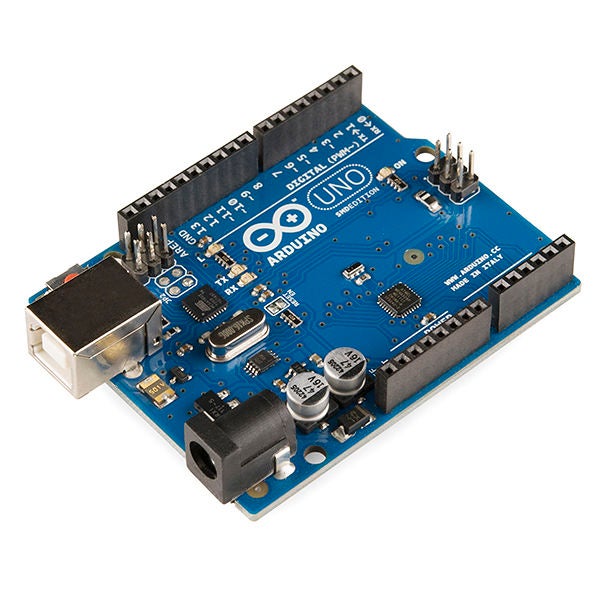
Hello, everybody!!! It has been some time I had not updated my post here. Today I would like to share with you guys an experiment I made. I am going to control LEDs using MIT app inventor speech recognizer. Oh before I forget, I had also started a blog where I post some other Arduino Experiments. Feel free to visit to my blog at
halim930112.blogspot.com
Ok now, let’s see what is needed to accomplish this experiment.
Step 1: Items Needed
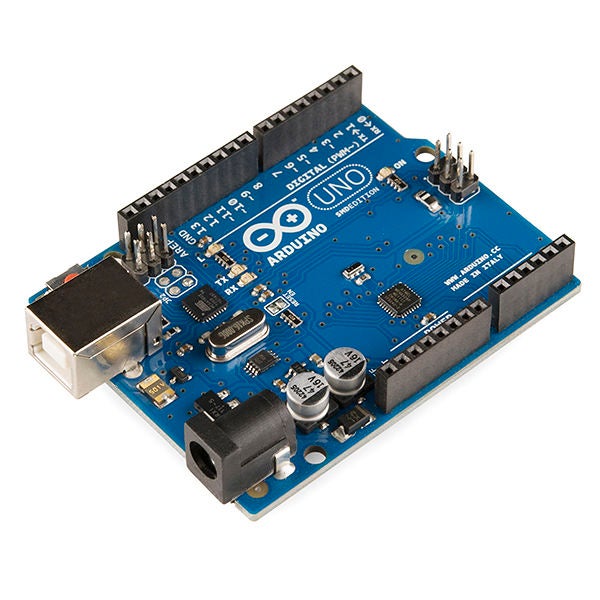
The Items needed for this experiment are as follows:
Hardware:
1.Arduino UNO
2.LED x 4
3.Resistors x4 (recommended but not used for this experiment)
4.Male to male to jumper
5.Android Smartphone
6.HC-06
Software
1.Arduino IDE
2.MIT app inventor
Well, that wraps up for the items needed. On to the next step!!!!
Step 2: Circuit Assembly!!!!
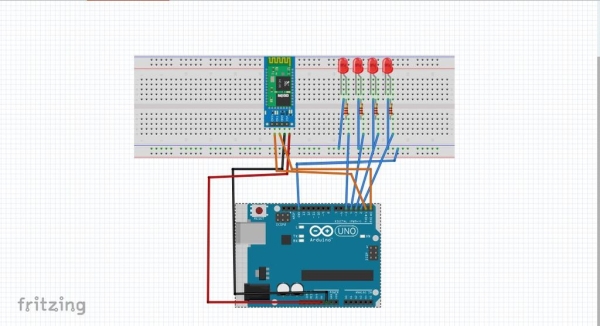
Well, the circuit assembly is not difficult. The circuit consists only of LEDs, resistors, HC-06 and Arduino. The long “leg” of the LED will be connected to the pinouts while the shorter “led” will be connected to the GND. For the HC-06, the VCC is connected to 5V, GND to GND, RX of HC-06 to Arduino TX, while TX of HC-06 to Arduino RX. From here I will divide the codes into two parts, MIT and Arduino. First let’s see the MIT code.
Step 3: MIT App Inventor Code Block
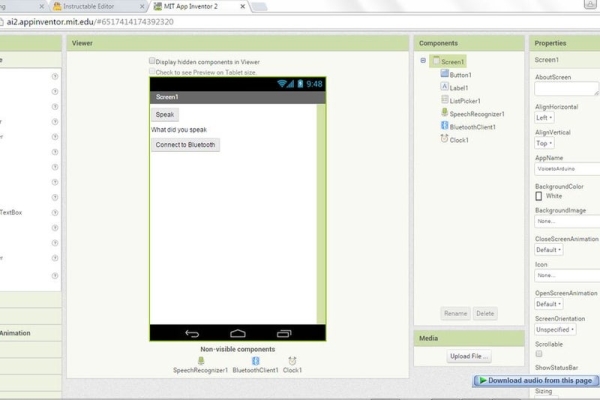
The important aspect of this app is that it implements the Speech recognizer function alongside the Clock and the Bluetooth client function. A google Speech recognizer(you need to be connected to the internet) will be activated when the speak button is pressed. Whatever spoken will be shown in the label “What do you speak” and be sent to Arduino. The arduino will do the rest of the processing.
Read more: Voice to Arduino: Control LEDs Using MIT Speech Recognizer
- What hardware is needed for this experiment?
The required hardware includes an Arduino UNO, four LEDs, four resistors, male-to-male jumper wires, an Android smartphone, and an HC-06 module. - How are the LEDs connected to the circuit?
The long leg of each LED connects to the pinouts while the shorter leg connects to the GND. - Does the HC-06 module require an internet connection?
No, only the Google Speech Recognizer within the MIT app requires an internet connection to activate when the speak button is pressed. - What software is required to build this project?
You need the Arduino IDE for microcontroller coding and MIT App Inventor for creating the mobile application. - Can I use fewer than four resistors in this setup?
The article states that resistors are recommended but were not actually used in this specific experiment. - How does the app send voice commands to the Arduino?
The app activates a Google Speech Recognizer upon pressing the speak button, displays the spoken text, and sends it to the Arduino via the Bluetooth client. - Which pins connect the HC-06 to the Arduino?
The VCC connects to 5V, GND to GND, the RX of the HC-06 connects to the Arduino TX, and the TX of the HC-06 connects to the Arduino RX. - What happens after the Arduino receives the spoken word?
The Arduino performs the rest of the processing to control the LEDs based on the received data.
