
Summary of Self-Watering Plant using an Arduino
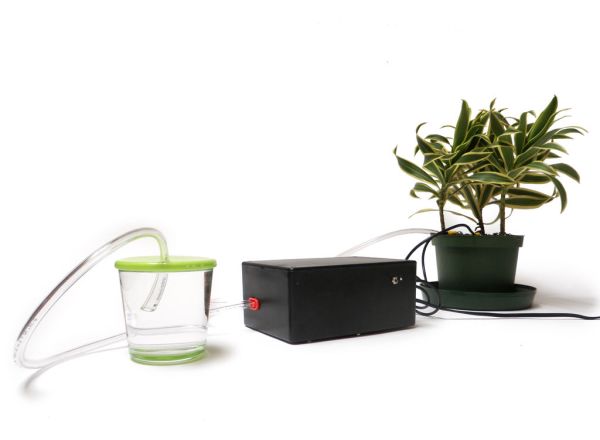
Plants brighten spaces, but forgetting to water them causes problems. The article describes building an Arduino-controlled self-watering system using a soil sensor and pump that waters when soil is dry; the builder only needs to occasionally refill the reservoir. The device uses a pump mounted in an enclosure, an Arduino with relay and power components, tubing to the plant, and a water container; future improvements could link a rain barrel for full automation.
Parts used in the Self-Watering Plant:
- 8 x 6 x 3 project enclosure (Radioshack #270-1809)
- Multipurpose PC Board (Radioshack #276-150)
- 5VDC SPDT micro relay (Radioshack #275-240)
- 9V battery connector (Radioshack #270-324)
- 9V battery holder (Radioshack #270-326)
- 9V battery (Radioshack #23-853)
- SPST micromini toggle switch (Radioshack #275-624)
- 10K resistor (Radioshack #271-1126)
- Size M coaxial DC power plug (Radioshack #274-1569)
- Red and black 22AWG wire (Radioshack #278-1221)
- 12AWG black wire (Radioshack #278-556)
- Non-submersible electric water pump (via Amazon)
- Water storage container with lid
- 8-32 x 2.5 inch nuts and bolts (2)
- 4-40 x 1 inch nuts and bolts (8)
- 4-40 x 3/8 inch nut and bolt (1)
- 1/4 inch spacers (4)
- Wire nut
- Plastic tubing, 3 to 5 feet (2 pieces)
- #8 Terminal Ring
- House plant to water
Plants liven up any space by adding a sense of airiness and life. That is – of course – when you don’t forget to water them, and they shrivel up and die. I am very bad at remembering to water plants. That is why I built this self-watering plant to do it for me. Using a soil sensor, and an Arduino-controlled water pump, I have created a system that will never forget to do it. Instead of remembering to water my plants when the soil goes dry, I only have to remember to once and a while refill the water reservoir. In this way, I have decreased my obligation to these plants and put it off to a much later date. Perhaps further iterations of this device can be connected to a rain barrel so that I won’t even have to worry about refilling my reservoir, and the entire system can be fully automated.
Step 1: Go get stuff
You will need:
(x1) 8″ x 6″ x 3″ project enclosure (Radioshack #270-1809)
(x1) Multipurpose PC Board (Radioshack #276-150)
(x1) 5VDC SPDT micro relay (Radioshack #275-240)
(x1) 9V battery connector (Radioshack #270-324)
(x1) 9V battery holder (Radioshack #270-326)
(x1) 9V battery (Radioshack #23-853)
(x1) SPST micromini toggle switch (Radioshack #275-624)
(x1) 10K resistor (Radioshack #271-1126)
(x1) Size M coaxial DC power plug (Radioshack #274-1569)
(x1) Red and black 22AWG wire (Radioshack #278-1221)
(x1) 12AWG black wire (Radioshack #278-556)
(x1) Non-submersible electric water pump (via Amazon)
(x1) Water storage container with lid
(x2) 8-32 x 2.5″ nuts and bolts
(x8) 4-40 x 1″ nuts and bolts
(x1) 4-40 x 3/8″ nut and bolt
(x4) 1/4″ spacers
(x1) Wire nut
(x2) 3′ – 5′ plastic tubing
(x1) #8 Terminal Ring
(x1) House plant to water
Step 2: Trim the pump
Trim away any unnecessary plastic mounting brackets from the front of the pump that may prevent it from being flush with the case (nozzles and corresponding hardware not included).
Step 3: Drill or cut
Line up the water pump with the base of one of the 6″ x 3″ sides of the case.
Drill or cut a hole large enough to fit the nozzles through.
Step 4: Mark
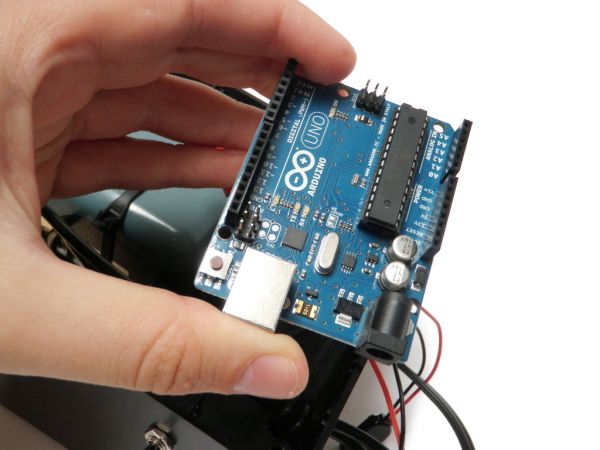
Position the water pump, Arduino, 9V battery holder, and circuit board in the bottom of the case.
Make marks in each of their mounting holes.
The pump will probably not have a mounting hole, so just make a mark on each side such that it can easily be zip tied down.
Step 5: Drill
Drill all of the holes that you have just marked with a 1/8″ drill bit.
You may need to widen the zip tie holes to 3/16″.
Step 6: Drill more holes
On the 6″ x 3″ side of the case that has yet to be drilled, drill two centered 1/4″ holes about 1-1/2″ apart.
Step 7: Fasten
Zip tie the water pump securely into the case.
(x1) Multipurpose PC Board (Radioshack #276-150)
(x1) 5VDC SPDT micro relay (Radioshack #275-240)
(x1) 9V battery connector (Radioshack #270-324)
(x1) 9V battery holder (Radioshack #270-326)
(x1) 9V battery (Radioshack #23-853)
(x1) SPST micromini toggle switch (Radioshack #275-624)
(x1) 10K resistor (Radioshack #271-1126)
(x1) Size M coaxial DC power plug (Radioshack #274-1569)
(x1) Red and black 22AWG wire (Radioshack #278-1221)
(x1) 12AWG black wire (Radioshack #278-556)
(x1) Non-submersible electric water pump (via Amazon)
(x1) Water storage container with lid
(x2) 8-32 x 2.5″ nuts and bolts
(x8) 4-40 x 1″ nuts and bolts
(x1) 4-40 x 3/8″ nut and bolt
(x4) 1/4″ spacers
(x1) Wire nut
(x2) 3′ – 5′ plastic tubing
(x1) #8 Terminal Ring
(x1) House plant to water
For more detail: Self-Watering Plant using an Arduino
- What is the purpose of this project?
To build an Arduino-controlled self-watering system so you do not have to remember to water plants frequently. - What main components are used to detect soil dryness?
A soil sensor connected to an Arduino is used to detect when the soil is dry. - How is the pump activated?
The Arduino controls a 5VDC SPDT micro relay which switches the water pump on and off. - How often do you need to refill the water reservoir?
Only occasionally; the system waters automatically and the user only needs to remember to refill the reservoir sometimes. - Can the pump be mounted inside the enclosure?
Yes; trim unnecessary mounting brackets and cut a hole in the case so the pump nozzles fit through, then zip tie the pump in place. - What power source is used in the build?
The project uses a 9V battery with a 9V battery holder and connector, and a Size M coaxial DC power plug for power connections. - What size enclosure is recommended?
An 8 x 6 x 3 project enclosure (Radioshack #270-1809) is recommended. - What tubing is required for the pump output?
Two pieces of plastic tubing 3 to 5 feet long are listed for connecting the pump to the plant.
