Metering – Instrument Projects

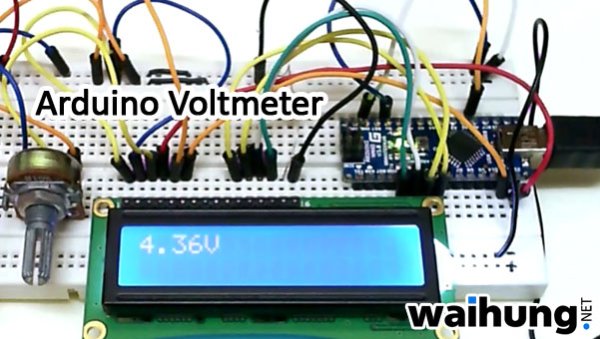
Arduino Voltmeter

Arduino Voltmeter Code

This arduino projects show how to make voltmeter with your arduino. It use voltage divider concept to estimate the voltage input. Instruction; 1) Connect all jumper wire as shown in diagram. Upload this code to your arduino /*   Voltmeter   Voltmeter base on voltage divider concept.   Code based on: http://www.clarenceho.net:8123/blog/articles/2009/05/17/arduino-test-voltmeter   Coded by: arduinoprojects101.com */ // include the library code: #include <LiquidCrystal.h> // initialize the library with the numbers of the interface pins LiquidCrystal lcd(7, 8, 9, 10, 11, 12);

Arduino Voltmeter Code Continue Reading

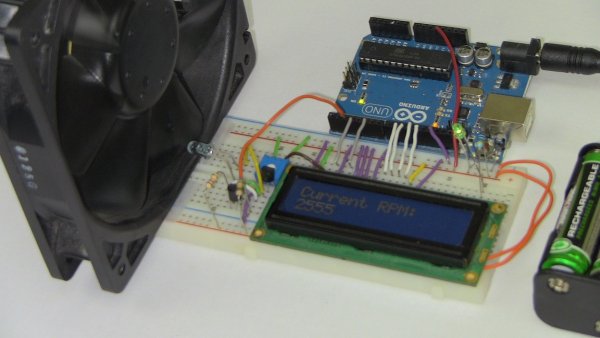
Arduino RPM Counter

Arduino RPM Counter / Tachometer Code

Arduino projects, make arduino rpm counter with arduino.   Instruction;1) Connect all jumper wire as shown in diagram. 2) Connect IR LED to digital pin 13. 3) Connect IR Phototransistor (dark) to digital pin 2. Make sure shorter lead connected to digital pin 2 and longer lead to Ground. Upload this code to your arduino/** Optical Tachometer** Uses an IR LED and IR phototransistor to implement an optical tachometer.* The IR LED is connected to pin 13 and ran continually.* Pin 2 (interrupt 0) is connected across the IR detector.** Code based on: www.instructables.com/id/Arduino-Based-Optical-Tachometer/* Coded by: arduinoprojects101.com*/

Arduino RPM Counter / Tachometer Code Continue Reading

Power Meter using Arduino

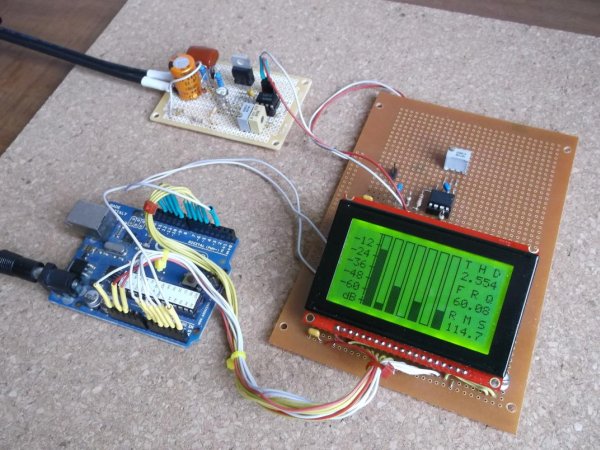
Power (Energy) Meter using Arduino

Part 1.  Analog Front-End. Opto-Isolator. Looking at the Power Quality Analyzer display, I was wandering, if there is any error in the measurement results, introduced by transformer. Overall THD picture doesn’t change much, suspiciously drawing same chart in the morning and in the evening, when electrical grid load significantly differs. Obviously, to estimate effect of

Power (Energy) Meter using Arduino Continue Reading

Audio VU Meter using Arduino 1

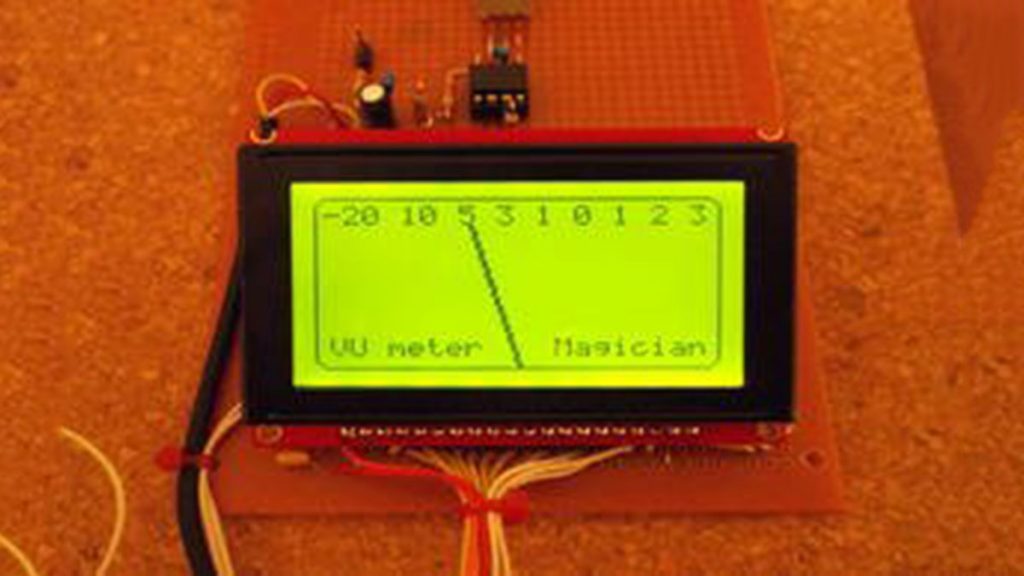
Audio VU Meter using Arduino

Biasing AC input using resistor divider and scaling up / down if necessary; Sampling fast and accurately using direct access to Control Registers of ADC and Timer1; Subtract whatever was added at step #1 from result of Analog / Digital conversion and Square; Average / accumulate, filtering following VU specification; Sqrt – take square root,

Audio VU Meter using Arduino Continue Reading

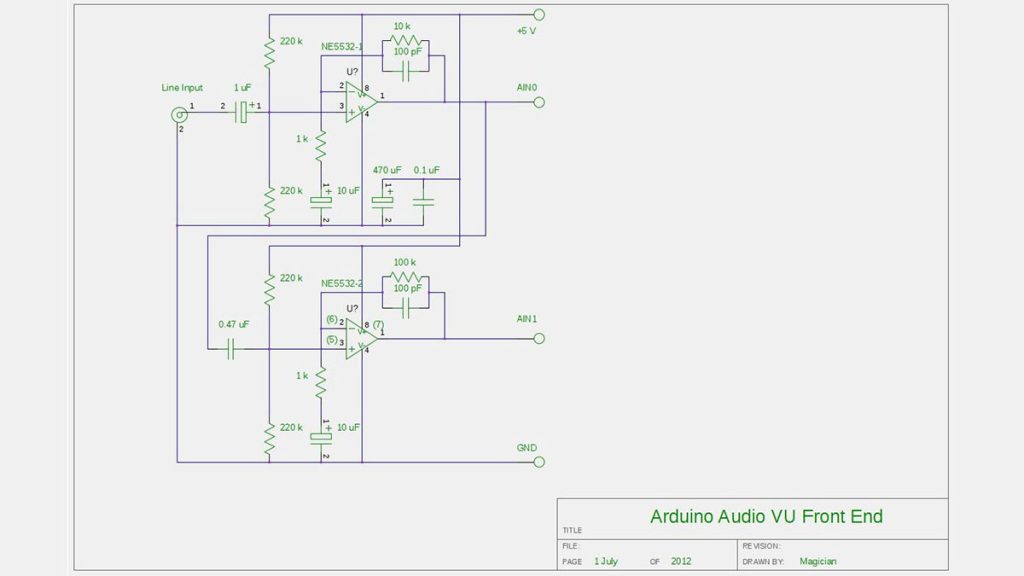
Audio VU meter with Extra wide Dynamic Range 69 dB using Arduino schematic

Audio VU meter with Extra wide Dynamic Range 69 dB using Arduino

O’K, after having some fun with stereo version of the VU meter I described in my previous blog-post, now it’s time to do a serious stuff. Studio grade VU meter !!! 24 steps, equally spaced every 3 dB, covering Extra wide Dynamic Range from -63  up to  +6 dB.  Single (mono) channel this time, no messing around,

Audio VU meter with Extra wide Dynamic Range 69 dB using Arduino Continue Reading

ARDUINO Laser 3D Tracking

ARDUINO Laser 3D Tracking or Range Finder

The idea of using triangulation for distance measurements is well known since Pythagorean time, when his brilliant formula become available for mathematicians. What is new in this design, is lasers power control via “blooming” effect of CMOS camera. Here this “negative” effect was put to work instead of ADC. No need high price “no-blooming” camera!

ARDUINO Laser 3D Tracking or Range Finder Continue Reading

Arduino Quasi real time oscilloscope

Quasi real-time oscilloscope using Arduino

Recently I was reviewing one of my oldest project, and decided to “refresh” previous design by taking full advantage of the new arduino Leonardo board.  Based on AtMega32U4, which include PGA (programmable gain amplifier), oscilloscope’s  analog front end doesn’t require external OPA this time, end could be build in 1-2 hours on prototype board, using

Quasi real-time oscilloscope using Arduino Continue Reading

Arduino Ultrasonic Range Finder

Ultrasonic Range Finder with an ATtiny85 using an Arduino

I’m here to show you how to use a HC-SR04 Ultrasonic Range Finder with an ATtiny85 as well as programming the ATtiny85 using the wonderful shield that randofo created. List of materials: ATtiny85 Programming Library Arduino Uno HC-SR04 Ultrasonic Range Finder and Library Jumper Wires Breadboard ATtiny85 Step 1: Program the Arduino Before you connect your shield to the Arduino

Ultrasonic Range Finder with an ATtiny85 using an Arduino Continue Reading

Scroll to Top