LED Projects

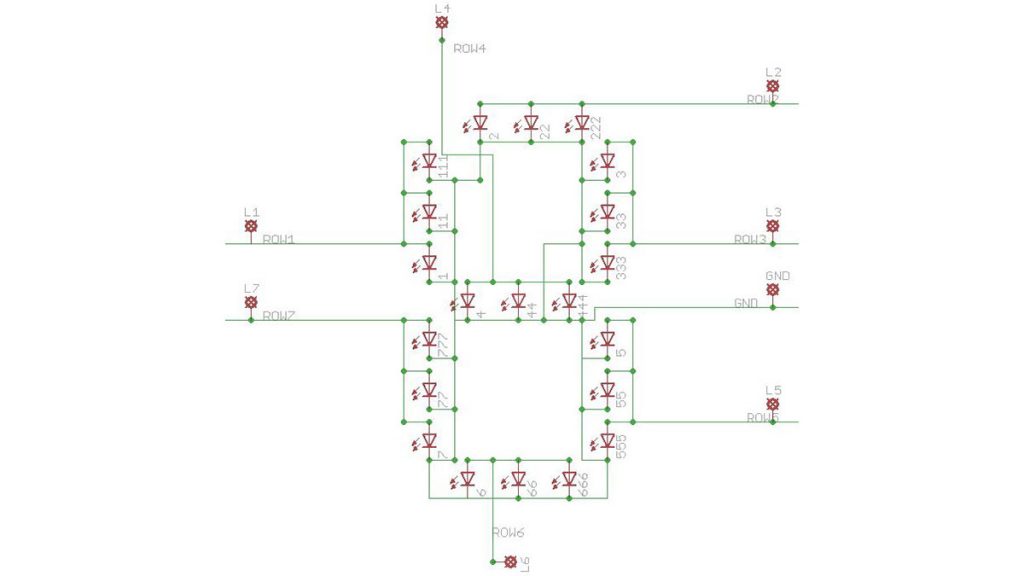
How to make a LED 7 segment display with or without Arduino schematic

How to make a LED 7-segment display with or without Arduino

I will demonstrate how to create a 7 segment display using LEDs. Use Arduino in conjunction to make countdown timers, basic text displays, and additional features. I enjoy creating unique projects. I looked through all of instructables and couldn’t find anything similar to this. Actually, I looked on Google but found no results. This idea […]

How to make a LED 7-segment display with or without Arduino Continue Reading
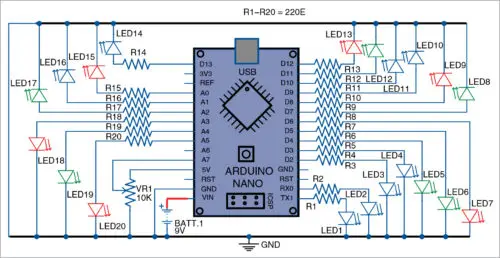
Circuit diagram of the LED flasher using Arduino

Dazzle Your Eyes with a Twinkling LED Symphony: Learn to Create Your Own LED Display

This circuit demonstration showcases a random LED flasher controlling twenty lights. LED flashers and sequencers are commonly employed in decorative lighting applications to produce aesthetically pleasing color patterns. Rather than steadfast illumination, these systems cycle LEDs on and off in either a predetermined sequence or at irregular intervals. The latter approach generates a more dynamic,

Dazzle Your Eyes with a Twinkling LED Symphony: Learn to Create Your Own LED Display Continue Reading

Arduino Row column Scanning to control an 8x8 LED Matrix

Arduino Row-column Scanning to control an 8×8 LED Matrix Code

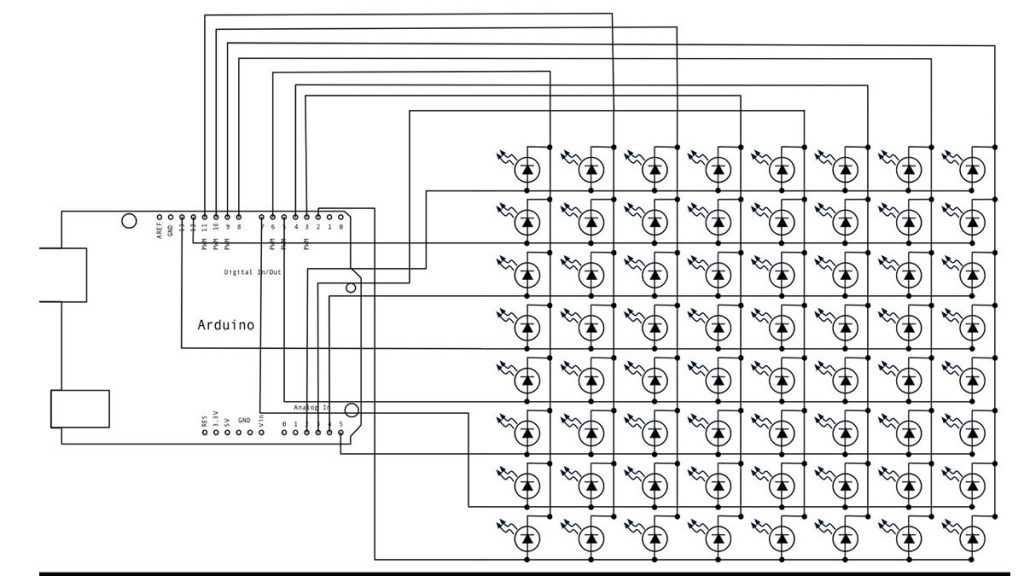
LED displays are commonly packaged as arrays of LEDs organized in rows with shared positive terminals and columns with shared negative terminals, or vice versa. Here is a standard illustration, along with its diagram: These exhibits can be very useful. To control a matrix, you connect its rows and columns to your microcontroller. The columns

Arduino Row-column Scanning to control an 8×8 LED Matrix Code Continue Reading

humidity meter with 7 segment LED displays 1

Step-by-step guide for making a very simple temperature and humidity meter with 7-segment LED displays

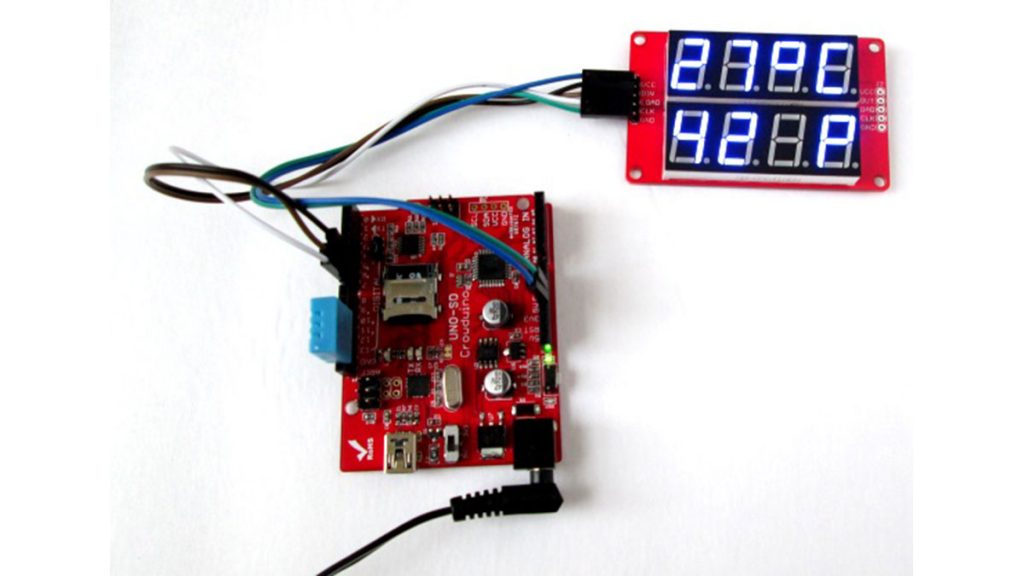
In this blog post, I am providing you step by step instructions to build a very simple temperature and relative humidity meter for indoor use. All you need to build this project are an Arduino Uno or compatible board, a DHT11 sensor, and a MAX7219 based 8-digit serial 7-segment LED display. The temperature is displayed

Step-by-step guide for making a very simple temperature and humidity meter with 7-segment LED displays Continue Reading

Monitor Thinking Skins using Arduino

Monitor – Thinking Skins using Arduino

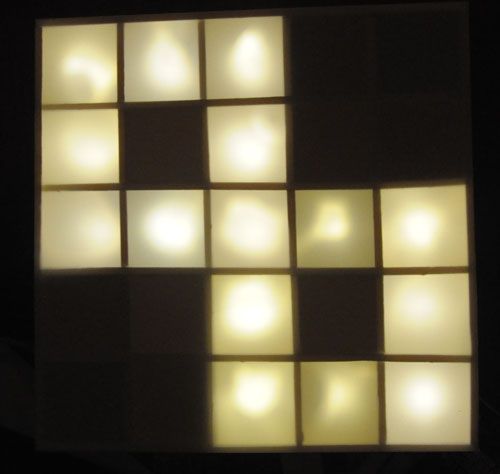
This project was part of Multimodal Media Madness 2014, hosted by the chair for Computer Aided Architectural Design (CAAD) and the Media Computing Group of RWTH Aachen University. For more Thinking Skins, please check this page: http://hci.rwth-aachen.de/m3_ss14 Given were small shared space containers for 6/8 students, built with the WikiHouse technology. A standard facade panel

Monitor – Thinking Skins using Arduino Continue Reading

Scroll to Top