News & Updates

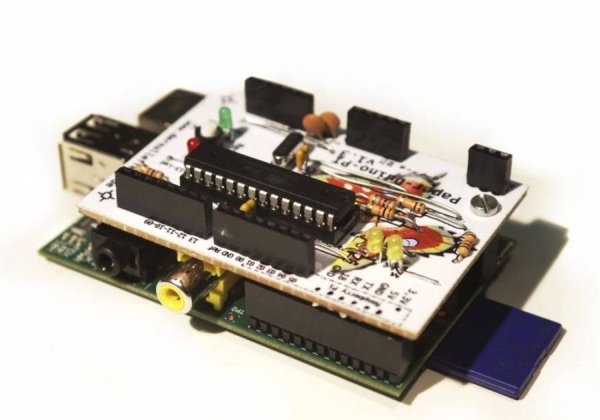
PaperDuino Pi

PaperDuino Pi

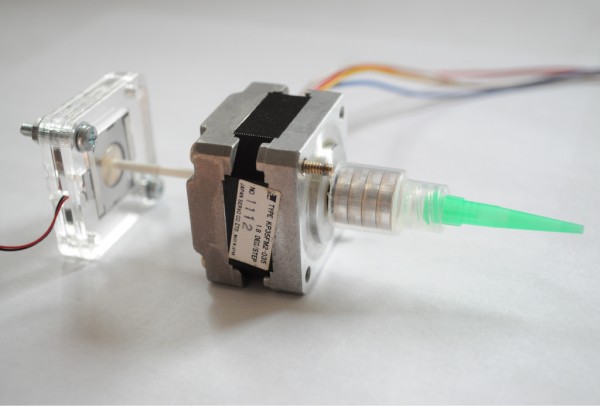
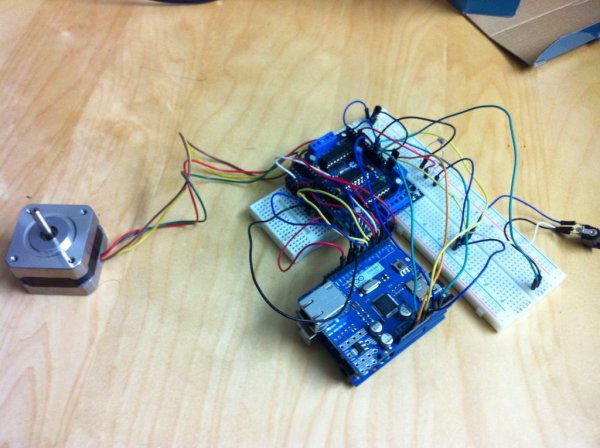
Introduction The Paper-Duino-Pi is an Arduino shield for the Raspberry Pi. Due to the fact that it is designed as Paper-PCB it is easy to create and one doesn’t need a printed circuit board. All components are standard electronic parts that are easily available at your favorite electronic shop. Plus they are really cheap. All

PaperDuino Pi Continue Reading

U nex

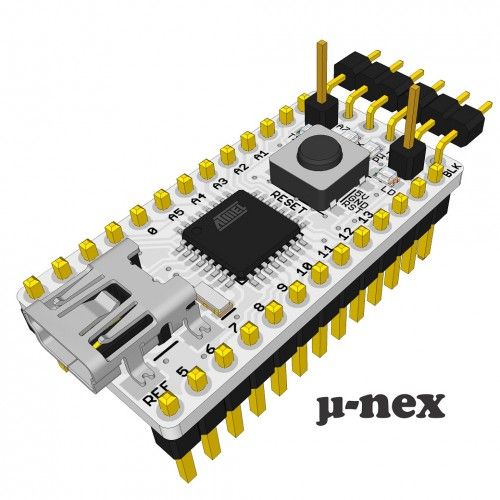
U-nex – a Arduino compatible, 32KB USB development board for $9, on Indiegogo

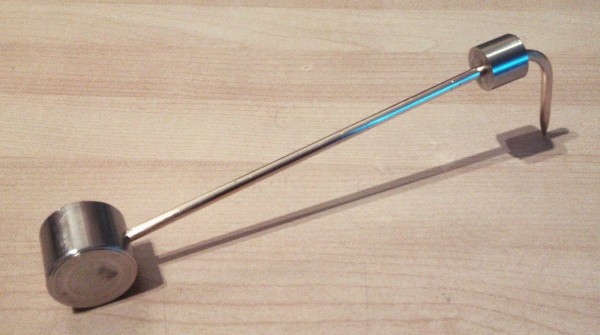
A 100% Arduino IDE compatible, 32KB USB development board small enough to fit on your fingertips and cheap enough to leave in any project. NOTE: In case you have forgotten to add shipping charges while pledging. Please make another contribution equaling the shipping charges (using the same e-mail ID previously used), and DO NOT select

U-nex – a Arduino compatible, 32KB USB development board for $9, on Indiegogo Continue Reading

LTC3305 Lead Acid Battery Balancer

LTC3305 – Lead Acid Battery Balancer

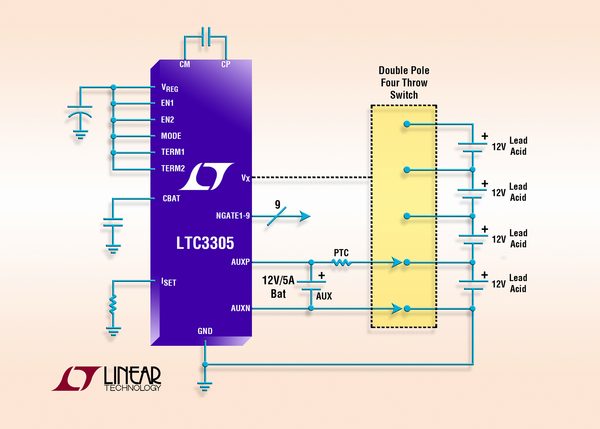
Features Single IC Balances Up to Four 12V Lead-Acid Batteries in Series All NFET Design Stackable to Balance Larger Series Battery Packs Standalone Balancing Operation: Requires No External μP or Additional Control Circuitry Balancing Current Limited by External PTC Thermistor Continuous Mode and Timer Mode Programmable UV and OV Fault Thresholds Programmable Termination Time and Termination Voltage

LTC3305 – Lead Acid Battery Balancer Continue Reading

Presentazione di Arduino al Cinema Palazzo

Presentazione di Arduino al Cinema Palazzo

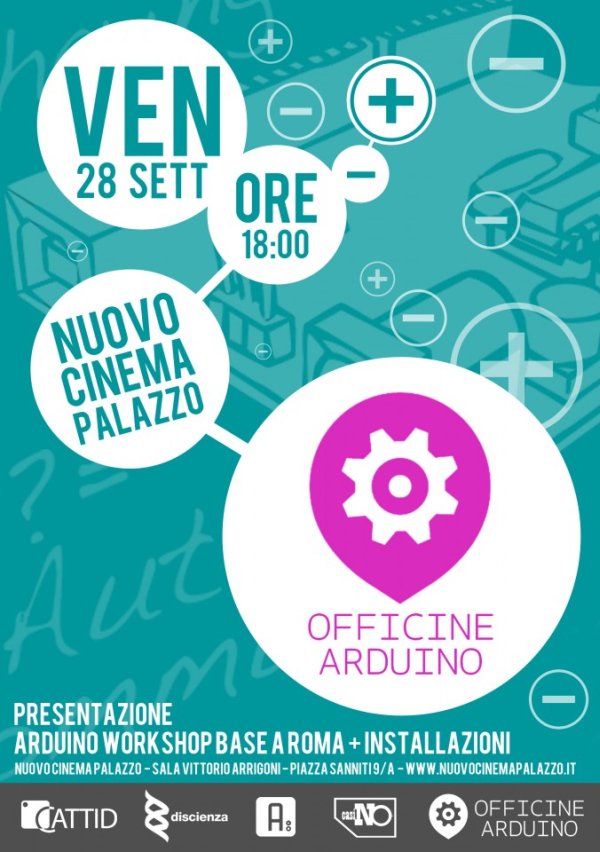
Siete tutti invitati domani sera (28 Settembre 2012) alle ore 18:00 a Roma presso il Nuovo Cinema Palazzo per un incontro / presentazione sulle tematiche dell’autoproduzione, digital fabrication e Arduino. L’evento di domani é l’inaugurazione dell’#arduinotour che vedrà workshop di Arduino organizzati qua e là in giro per l’Italia. Il prossimo sarà a Cava de’

Presentazione di Arduino al Cinema Palazzo Continue Reading

LEDs to be stronger

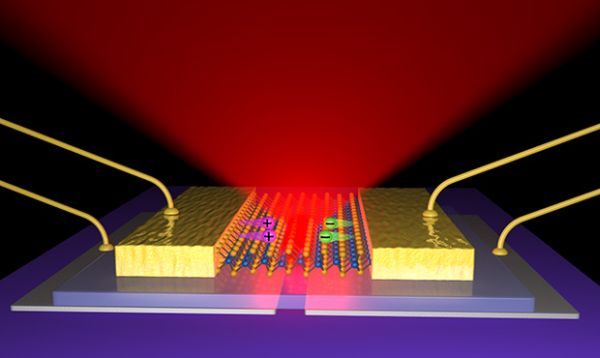
Scientists build thinnest-possible LEDs to be stronger, more energy efficient

Most modern electronics, from flat-screen TVs and smartphones to wearable technologies and computer monitors, use tiny light-emitting diodes, or LEDs. These LEDs are based off of semiconductors that emit light with the movement of electrons. As devices get smaller and faster, there is more demand for such semiconductors that are tinier, stronger and more energy

Scientists build thinnest-possible LEDs to be stronger, more energy efficient Continue Reading

Scroll to Top