
Summary of A QUICK OVERVIEW OF THE ELTIMA VIRTUAL SERIAL PORT DRIVER
Serial communication remains essential for industrial and embedded systems, often utilizing FTDI chips or USB-to-serial converters when traditional RS-232 ports are unavailable. Virtual serial ports allow software applications to simulate physical connections over networks like LAN, enabling data transfer without dedicated hardware. This article highlights the utility of tools like Eltima's Virtual COM Port Driver to bridge connectivity gaps in modern computing environments.
Parts used in Serial Communication Setup:
- Legacy Hardware
- Arduino
- Embedded Systems
- MCUs (Microcontrollers)
- SBCs (Single Board Computers)
- SoCs (System on Chips)
- FTDI Chip
- USB to Serial Converter
- RS-232 Interface
- LAN (Local Area Network)
- Virtual COM Port Driver from Eltima
If you have used some form of hardware especially those legacy ones or something like the Arduino and other embedded systems you must have come across the term Serial Port, FTDI chip, USB to Serial, or RS232 at some point. So what are those? Well, they mean the same thing – Serial Communication
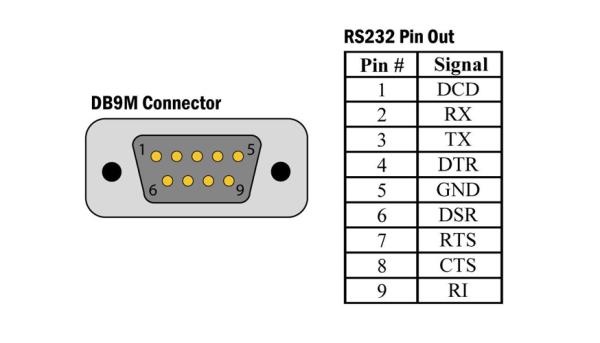
Serial Port is a serial communication interface that has been the backbone of industrial data transfer and even embedded computers (MCUs, SBC, SoC and Others) still provide support for it in one way or the other way. Although you might not be seeing the traditional RS-232 serial port again, the serial port still get used along with USB to Serial converters using things like FTDI chip.
Serial ports are not going out of market anything soon despite the fact we have modern – high speed interfaces like FireWire, USB, Ethernet, and Wireless, merely because they are super easy to use and require no particular custom driver and operating systems already provide support for them. But, what you can do when there is no Serial Port available to a system? What about creating a Virtual Serial (COM) port?
Virtual serial ports are great when access to serial ports is not available, and a software application needs a connection to a serial device but cannot connect to it due to a physical lack of serial ports. Here, the computer will be reconfigured to send serial port data over LAN (local area network) or some other interface and then send data back to itself. This is basically is a virtual serial port. So how do you create one? Use a virtual serial port software, they are several of them and the Virtual COM Port Driver from Eltima is one I have tried out that seems interesting.
Read more: A QUICK OVERVIEW OF THE ELTIMA VIRTUAL SERIAL PORT DRIVER
-
What does the term Serial Port mean?
It refers to a serial communication interface that serves as the backbone of industrial data transfer and is supported by various embedded computers. -
Why are serial ports still used despite modern interfaces?
They remain popular because they are super easy to use and require no particular custom drivers since operating systems already provide support. -
How can you create a Virtual Serial port?
You can create one by using virtual serial port software such as the Virtual COM Port Driver from Eltima. -
When is a virtual serial port necessary?
It is needed when access to physical serial ports is not available but a software application requires a connection to a serial device. -
How does a virtual serial port transmit data?
The computer reconfigures to send serial port data over a LAN or other interface and then sends the data back to itself. -
Which specific driver is mentioned in the article?
The article mentions the Virtual COM Port Driver from Eltima as an interesting option for creating virtual serial ports.
