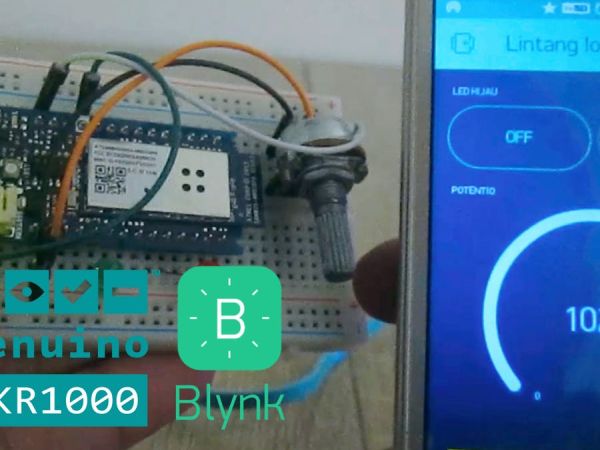
potentiometer

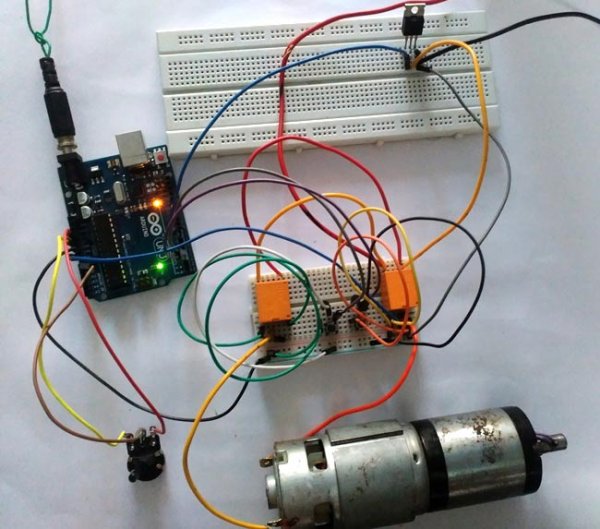
Arduino – Control a DC motor with TIP120 potentiometer and multiple power supplies circuit

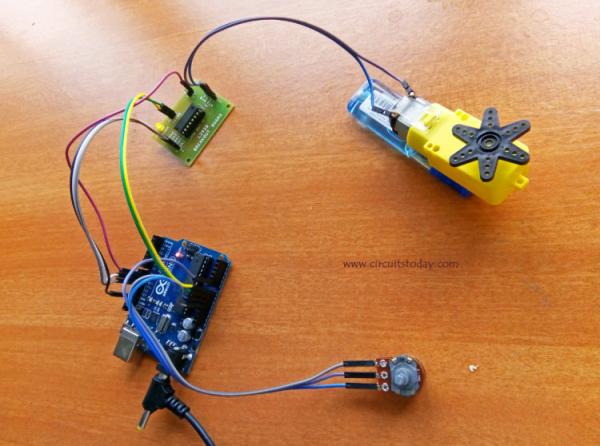
Arduino – Control a DC motor with TIP120, potentiometer and multiple power supplies

A simple diagram demonstrating how to regulate the velocity of a DC motor using a potentiometer connected to your Arduino device. Additionally demonstrates the method of utilizing a TIP120 transistor for enabling the Arduino to manage a more powerful power source. Transistors consist of 3 pins, with the third pin (Base) enabling control of the

Arduino – Control a DC motor with TIP120, potentiometer and multiple power supplies Continue Reading

Excellent starter kit for people interested in learning about Arduino 2

Excellent starter kit for people interested in learning about Arduino

Arduino is an easy-to-learn prototyping platform that lets you create interactive electronic projects. This Arduino compatible kit is the one I recommend to people who ask me how to get started. The reason I recommend it is because it’s very cheap and it has a bunch of components that would cost a lot more if you were

Excellent starter kit for people interested in learning about Arduino Continue Reading

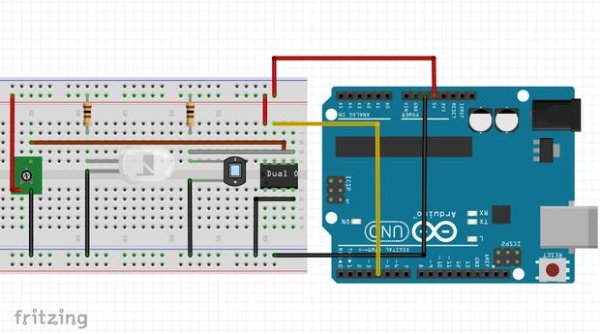
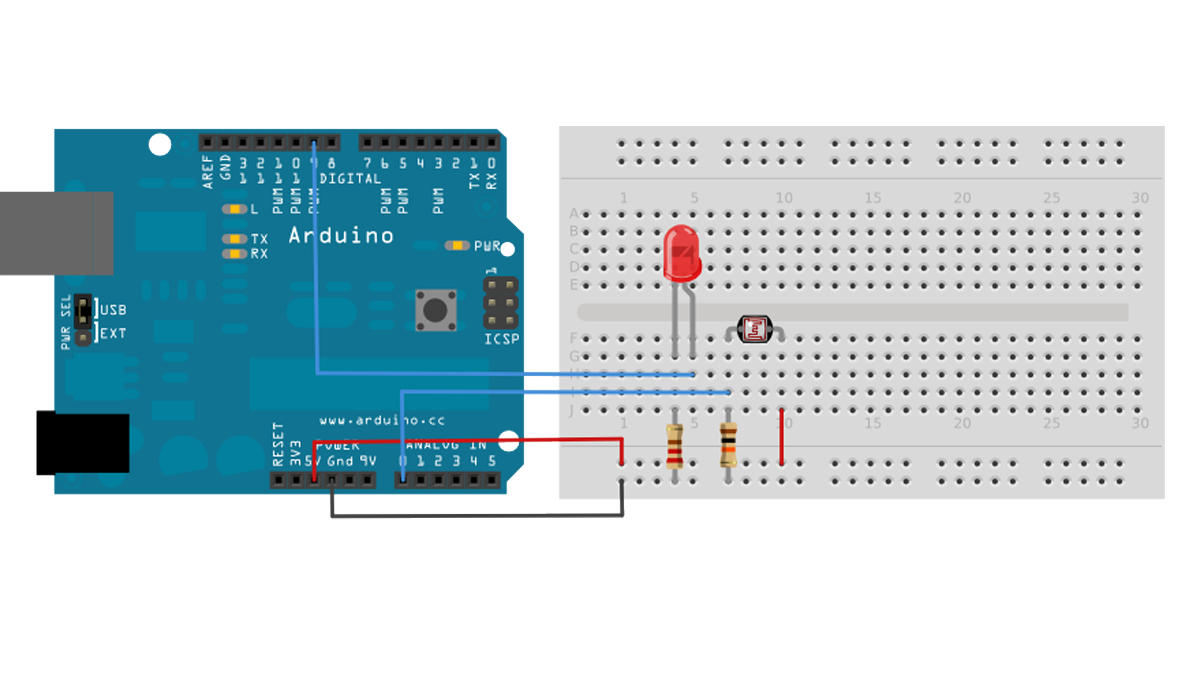
Analogue Sensors – Calculate the Nonlinearity Introduced by a Load or Pull Down Resistor

Analogue Sensors – Calculate the Nonlinearity Introduced by a Load or Pull Down Resistor

Have you ever had that terrible feeling that adding a load resistor or ‘pull down’ to your sensor is messing up all your analogue readings? Maybe you’re wondering why we’d want to spoil a perfectly good circuit by putting in a load resistor at all? For many years I found that I would get strange,

Analogue Sensors – Calculate the Nonlinearity Introduced by a Load or Pull Down Resistor Continue Reading

Enable EN to pin 9

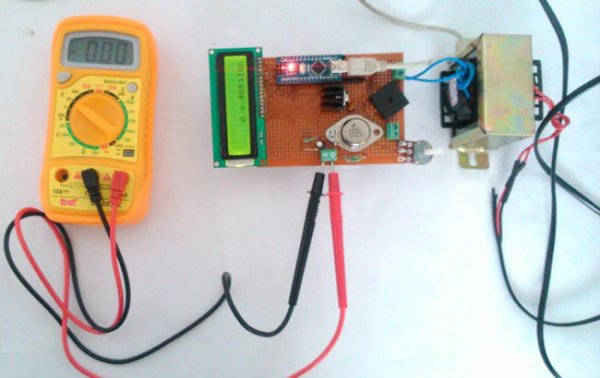
Building a DIY Digital Voltmeter with Arduino: A Beginner’s Guide

Creating a straightforward digital voltmeter with an Arduino and a 16×2 liquid crystal display (LCD) is a straightforward process. Measuring voltages with an Arduino is relatively uncomplicated. The Arduino provides multiple analog input pins that link to an internal analog-to-digital converter (ADC). The Arduino ADC, which is a ten-bit converter, produces output values ranging from

Building a DIY Digital Voltmeter with Arduino: A Beginner’s Guide Continue Reading

LEARN SAILING MECHANICS WITHOUT LEAVING DRY LAND

LEARN SAILING MECHANICS WITHOUT LEAVING DRY LAND

The ancient art of sailing can be very intimidating for the uninitiated given the shifty nature of wind. To help understand the interaction of wind direction and board orientation, [KifS] designed a hands-on sailing demonstrator that lets students grasp the basics before setting foot on a real sailboat. The demonstrator uses a potentiometer as a tiller to

LEARN SAILING MECHANICS WITHOUT LEAVING DRY LAND Continue Reading

Using Mozzi Library with 5 potentiometers using arduino

Using Mozzi Library with 5 potentiometers using arduino

Getting Started The goal of this project was to create filters and controls to that can manipulate sound that is being generated through an Arduino. Normally Arduino can only generate simple tones that are not useful if you are trying to achieve complex sounds and do sound manipulation. In order to do this project Mozzi

Using Mozzi Library with 5 potentiometers using arduino Continue Reading

Scroll to Top