computer

MOUSE CONTROLLED MOUSE CONTROLLER IS SILLY BUT COULD BE USEFUL

MOUSE-CONTROLLED MOUSE CONTROLLER IS SILLY, BUT COULD BE USEFUL

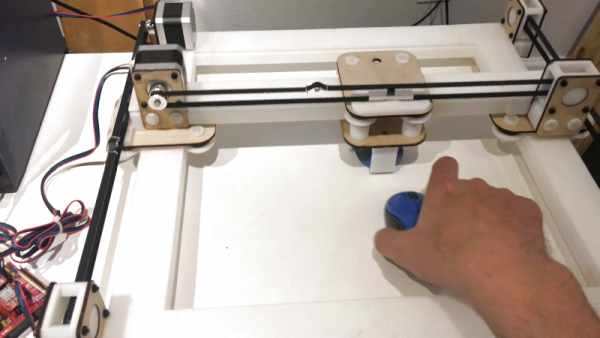
Useless machines are generally built as a fun pastime, as they do nothing of value by their very definition. The most popular type generally involves a self-cancelling switch. However, there’s plenty of other useless machines to build, and we think [Jeffery’s] build is particularly creative. The build consists of an XY gantry that moves a standard […]

MOUSE-CONTROLLED MOUSE CONTROLLER IS SILLY, BUT COULD BE USEFUL Continue Reading
High Performance SBC TS 7800 V2 Runs Debian With Linux 4.4.8

High Performance SBC TS-7800-V2 Runs Debian With Linux 4.4.8

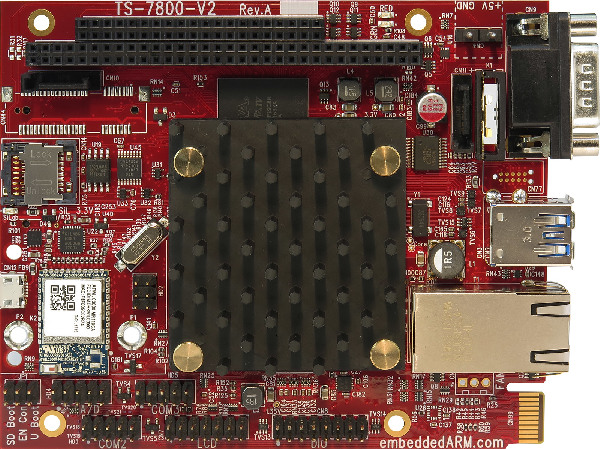
Back in 2007, Technologic Systems announced the TS-7800, a single-board computer (SBC) that was able to boot Linux 2.6 in under two seconds. At its core, The TS-7800 is equipped with a Marvel 500MHz ARM9 CPU and includes a user-programmable on-board FPGA (Field-Programmable Gate Array) with 12,000 LUTs (look-up tables). The TS-7800 was a powerful board at

High Performance SBC TS-7800-V2 Runs Debian With Linux 4.4.8 Continue Reading

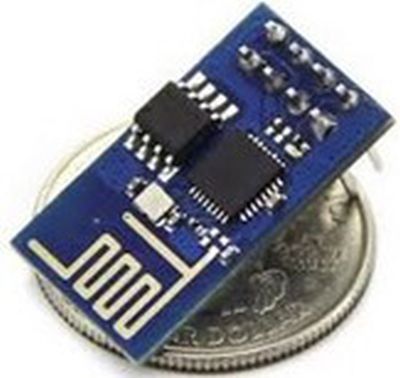
Probably the Cheapest WIFI Computer in the World ESP8266LUA 1

Probably the Cheapest WIFI Computer in the World (ESP8266+LUA)

This article describes the ESP-01, fitted with LUA firmware that is able to converse with a serial terminal in a high level language, store programs and data, turn things on and off in a package that costs almost nothing. The possibilities for ridiculously cheap remote temperature sensors and more are finally here. The software is

Probably the Cheapest WIFI Computer in the World (ESP8266+LUA) Continue Reading

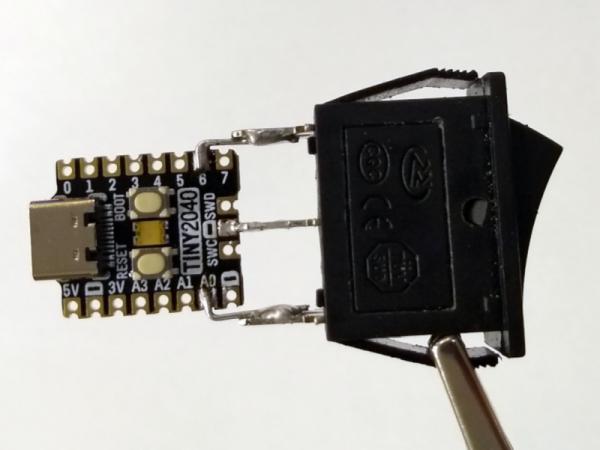
SIMPLE HARDWARE SWITCH FOR OS DUALBOOTING THANKS TO RP2040

SIMPLE HARDWARE SWITCH FOR OS DUALBOOTING, THANKS TO RP2040

Dualbooting your computer can be a chore, the more switching between OSes you have to do – which is why virtualization or having separate computers are the go-to for many. Failing that, we have no choice but to smooth over our dualbooting experience with various workarounds and helpers. [William Somsky] shares one such helper tool with us

SIMPLE HARDWARE SWITCH FOR OS DUALBOOTING, THANKS TO RP2040 Continue Reading

BEAGLEBONE SBC FEATURES DUAL CORTEX A15 SOC AND AI SUPPORT

BEAGLEBONE SBC FEATURES DUAL CORTEX-A15 SOC AND AI SUPPORT

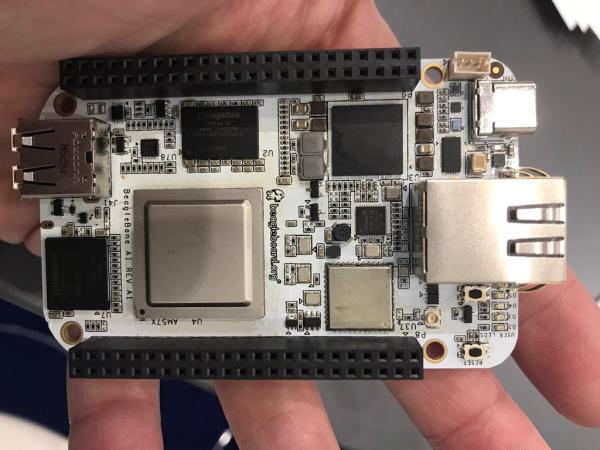
Open source community BeagleBoard.org has announced their BeagleBone AI SBC which features a dual Cortex-A15 TI AM5729 SoC that enables AI support via dual C66x DSPs and 4x EVE cores. The SBC comes with 1GB RAM, 16GB eMMC, WiFi, and GbE. The SoC includes four powerhouse embedded-vision-engine (EVE) cores with AI capabilities. BeagleBoard.org’s limited product page says the SoC can run AI code

BEAGLEBONE SBC FEATURES DUAL CORTEX-A15 SOC AND AI SUPPORT Continue Reading

THE APOLLO DIGITAL RANGING SYSTEM MORE THAN MEETS THE EYE

THE APOLLO DIGITAL RANGING SYSTEM: MORE THAN MEETS THE EYE

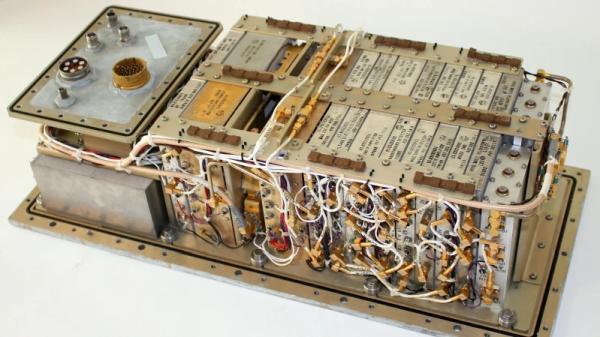
If you haven’t seen [Ken Shirriff]’s teardowns and reverse engineering expeditions, then you’re in for a treat. His explanation and demonstration of the Apollo digital ranging system is a fascinating read, even if vintage computing and engineering aren’t part of your normal fare. The average Hackaday reader should be familiar with the concept of determining the distance

THE APOLLO DIGITAL RANGING SYSTEM: MORE THAN MEETS THE EYE Continue Reading

ACROSSER’S ENTRY LEVEL AMB BT19S1 SBC HAS INTEL BAY TRAIL SOC

ACROSSER’S ENTRY-LEVEL AMB-BT19S1 SBC HAS INTEL BAY TRAIL SOC

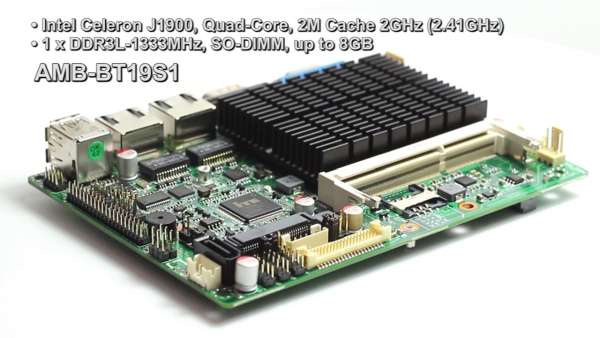
Acrosser Technology has recently released a brand new entry-level 3.5” single board computer (SBC). This new AMB-BT19S1 single board computer is powered by an Intel Bay Trail SoC. It features 8GB RAM, dual display support, plus SATA, mSATA, mini-PCIe, serial, USB 3.0, and GbE ports. As the SBC market has already seen newer Atom processor families such as Cherry Trail, Braswell,

ACROSSER’S ENTRY-LEVEL AMB-BT19S1 SBC HAS INTEL BAY TRAIL SOC Continue Reading

Arduino Digital Output Project: Simple Output with LEDs

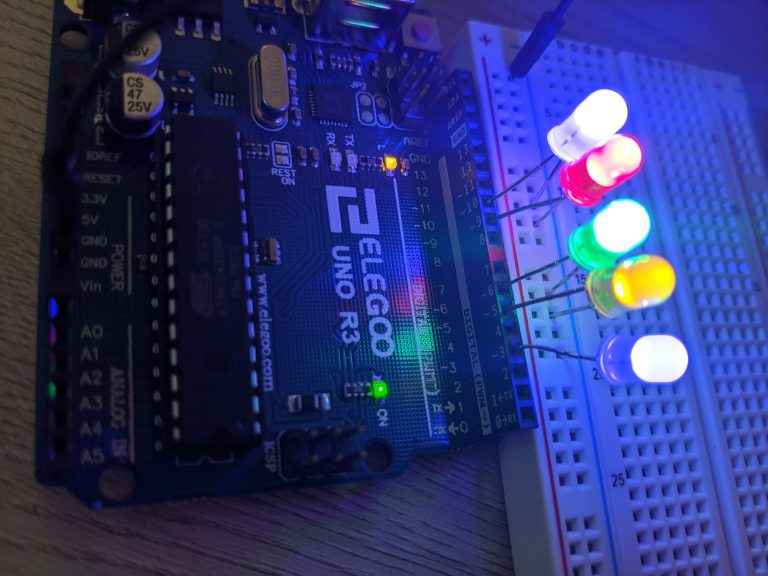
Simple Output with LEDs Arduino Digital Output Project introduces users to the Arduino software environment and basic digital circuit construction. By running example programs, users gain foundational knowledge of Arduino’s capabilities. They then apply this knowledge to build and control a simple LED circuit. This hands-on experience bridges software and hardware, teaching core concepts of

Arduino Digital Output Project: Simple Output with LEDs Continue Reading

Scroll to Top