
Summary of RESPONSIVE PAINTINGS DO IT WITH HEAT AND LIGHT
Laura created interactive paintings that respond to viewers using Arduino and TinyML, combining thermochromic pigments mixed with transparent gel medium and backlit RGB LED matrices behind diffused thermoplastic cutouts. She experimented to find a medium that darkens well and disappears with heat, avoiding visible LEDs poking through canvas by using a 1/8" birch panel with thin diffused cutouts. Videos show color shifts—purple triangles turning blue—in real time as light patterns animate behind the cutouts.
Parts used in the Responsive Paintings Project:
- Arduino
- TinyML model / TinyML framework
- Thermochromic pigment powder
- Transparent gel medium
- White paint (used in experiments)
- RGB LED matrix
- Thin diffused thermoplastic for cutouts
- 1/8 inch birch panel (canvas substrate)
- Power supply for LEDs and Arduino
- Video camera (for demonstration/video capture)
Art is a conversation, yes. But normally, it’s a short one: the artist makes a statement and the audience responds, each bringing their own interpretations. The hard thing about being an artist is that once you release a piece into the world, it’s sort of bound and gagged in that it can’t defend itself from comments and misinterpretation.
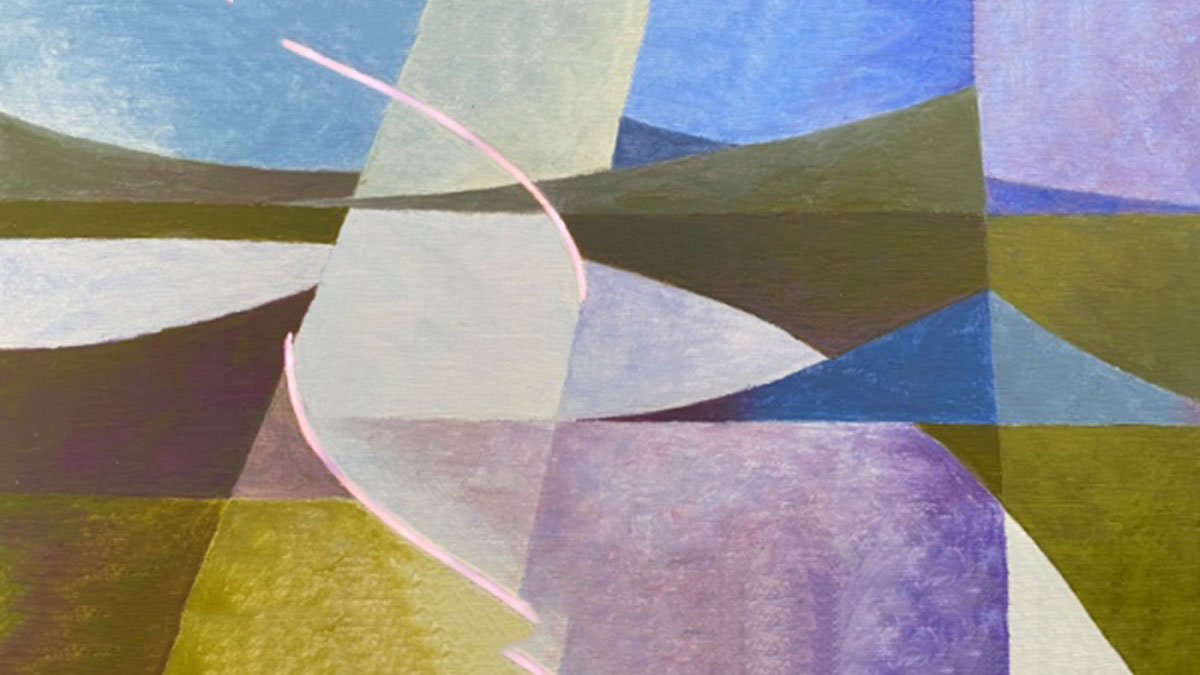
On the other hand, interactive art allows for a longer discussion. Pieces are responsive and no longer mute. But so much of the interactive art out there is purely digital, and lacks a certain analog warmth that comes from physicality. For this year’s Hackaday Prize, [Laura] sought to put a digital interface on an analog visual piece and make paintings that change based on data inputs.
For now, [Laura] is focusing on adding two dynamic elements to her paintings: shifting color and light patterns in response to a viewer’s presence and/or actions using an Arduino and TinyML. For the color changes, [Laura] ended up mixing thermochromic pigment powder with a transparent gel medium.
This was a bit of a journey, because the regular kind of transparent medium came out too runny, and mixing the pigments with white paint made the colors come out lighter than [Laura] wanted and left white behind when heated. But transparent gel medium was just right. You can see the difference in this picture — the colors come out darker with the gel medium, and disappear almost completely with heat.
[Laura] didn’t want to just poke LEDs through the canvas, which in this case is a 1/8″ birch panel. Instead, there’s an RGB matrix shining behind a pair of thin, diffused cutouts filled with thermoplastic.
Check out the video after the break of a painting sketch that uses both techniques. Keep your eye on the purple triangles on the right side, and watch them slowly turn blue in real time as light patterns dance behind the diffused cutouts. Stick around for the second brief video that shows an updated light animation.
We’ve seen many ways of making interactive art, like this Rube Goldberg fairy tale ball maze that you control with your phone.
Source: RESPONSIVE PAINTINGS DO IT WITH HEAT AND LIGHT
- How does the painting change color?
The painting uses thermochromic pigment mixed with transparent gel medium that changes appearance with heat from backlit RGB LED patterns. - Can the painting detect a viewer?
Yes, the project uses Arduino and TinyML to respond to a viewer's presence and/or actions. - What substrate is used for the artwork?
The paintings are made on a 1/8 inch birch panel. - How are the LEDs integrated without poking through the canvas?
An RGB LED matrix shines behind thin, diffused cutouts filled with thermoplastic rather than poking LEDs through the surface. - Why use transparent gel medium with thermochromic powder?
Transparent gel medium produced darker color responses and disappeared almost completely with heat, unlike white paint or runny transparent mediums. - Does white paint work with thermochromic pigments?
Mixing pigments with white paint made colors lighter than desired and left white behind when heated. - What visual effects are demonstrated in the video?
The video shows light patterns animating behind cutouts and purple triangles slowly turning blue in real time. - Are both heat and light used as dynamic elements?
Yes, the project focuses on shifting color (heat-responsive thermochromic) and light patterns from the RGB matrix.
