
Summary of Protect Your MCU Design from Copying and Reverse Engineering
This article discusses methods to protect MCU designs from copying, reverse engineering, and tampering. It covers making MCUs unreadable externally, using on-chip code validation, employing external security components, and implementing onboard tamper detection with penalties.
Parts used in theMCU Design Protection:
- Microcontroller Units (MCUs)
- On-chip capabilities for code validation
- External security components
- Tamper detection mechanisms
MCUs are used as the main control element in just about every application imaginable. Their power and flexibility make them the go-to component at the heart of most designs. Since it is important to make sure that your design cannot be easily copied, reverse engineered or tampered with, modern MCUs now provide a few different options for protecting your design; a good understanding of the capabilities and trade-offs are important in order to determine which approach is best for a given design.
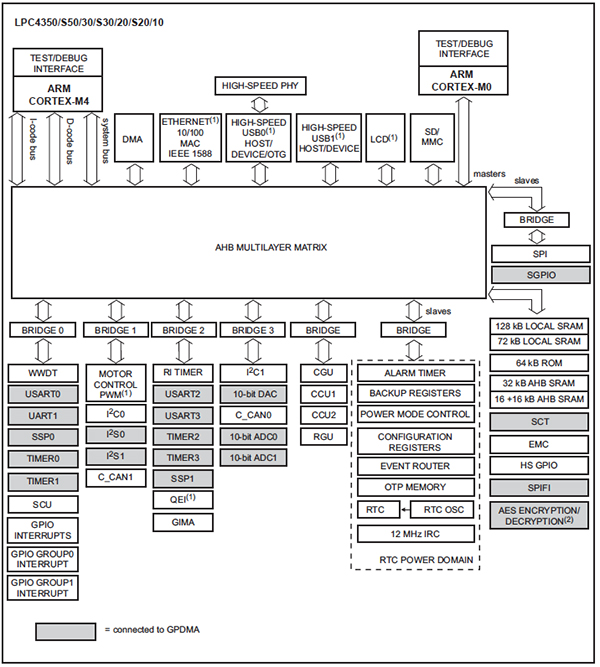
This article will review some of the common approaches to design protection, such as making your MCU unreadable from the outside world, using on-chip capabilities to validate that the code to be executed is unmodified, and using external components to provide more advanced security capabilities. On-board techniques for tamper detection and possible “penalties
For more detail: Protect Your MCU Design from Copying and Reverse Engineering
- Why is design protection important for MCUs?
To ensure the design cannot be easily copied, reverse engineered, or tampered with. - What are common approaches to design protection mentioned?
Making the MCU unreadable, validating unmodified code on-chip, and using external components. - How can you make an MCU unreadable?
The article suggests making the MCU unreadable from the outside world as a protection method. - What does on-chip capability validate?
It validates that the code to be executed is unmodified. - What role do external components play?
They provide more advanced security capabilities beyond on-board techniques. - What happens if tampering is detected?
The system may apply possible penalties upon detecting tampering. - Why must one understand trade-offs?
A good understanding of capabilities and trade-offs is needed to determine the best approach. - Are MCUs used in many applications?
Yes, they are the main control element in just about every application imaginable.
