
Summary of IoT Based Smart Mine Safety System Using Arduino
Summary: This project applies Arduino and IoT to build a comprehensive mine-safety monitoring system that gathers environmental sensor data, transmits it to the cloud, and provides real-time visualization and alerts. It aims to reduce accidents, improve emergency response, and enable data-driven planning. Implementation involves sensor interfacing, firmware and server software development, ruggedized hardware design, and possible mobile/web apps. Continued R&D and wider adoption are needed to fully realize benefits.
Parts used in the Mine Safety Monitoring System:
- Arduino microcontrollers
- Temperature sensors
- Gas sensors (for hazardous gas level monitoring)
- Other environmental sensors (e.g., humidity, pressure, particulate)
- WiFi or GSM communication modules
- Power supply and battery backup
- Rugged enclosures and circuitry components
- Server/cloud storage and processing infrastructure
- Mobile/web application interfaces
- Alerting mechanisms (e.g., buzzer, LEDs, SMS/notifications)
Significance
- Addresses critical safety concerns in mining which is inherently hazardous work
Leverages IoT and Arduino to develop a comprehensive safety monitoring system
Has potential to significantly reduce accidents and improve standards if implemented widely
Methodology
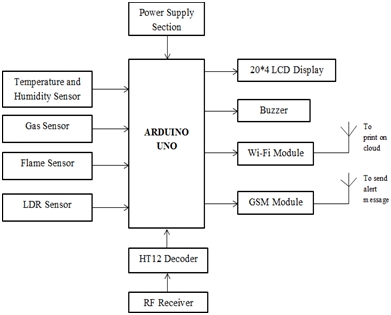
- Utilizes various sensors to monitor environmental parameters like temperature, gas levels etc
Interfaces sensors with Arduino microcontrollers for centralized data collection and processing
Transmits processed data to cloud/server using IoT protocols like WiFi, GSM for remote access
Likely includes development of interfaces for real-time visualization and emergency alerts
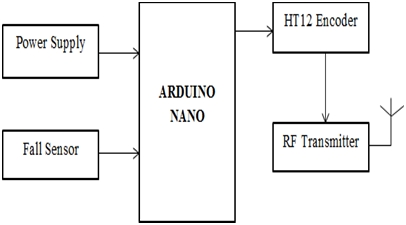
Implementation
- Requires programming Arduinos to interface with and read data from deployed sensors
Design of circuitry and enclosures to withstand harsh mining conditions
Firmware development for Arduinos and server-side software for data storage, analysis, interfaces
Mobile/web apps may be created for remote access by miners and supervisors
Potential Impact
- Facilitates proactive safety management through real-time monitoring of conditions and hazards
Can reduce accidents, injuries, fatalities through early warnings of issues
Leads to improved reputation and cost savings from less downtime and regulatory penalties
Provides data driven insights for better resource planning, maintenance and emergency response
Conclusion
- Represents an innovative application of technologies for pressing need of mine safety
Has potential to transform practices but requires further refinement and adoption
Overall a commendable effort towards developing a comprehensive networked safety solution
Continued R&D in this area is warranted to fully realize benefits across mining operations.
- What is the main purpose of this project?
The main purpose is to use Arduino and IoT to monitor mine environmental conditions in real time to improve safety and reduce accidents. - How are sensors used in the system?
Sensors monitor environmental parameters like temperature and gas levels and interface with Arduino microcontrollers for centralized data collection and processing. - Can the system send data remotely?
Yes, processed data is transmitted to cloud or server using IoT protocols like WiFi or GSM for remote access. - Does the project include user interfaces?
Yes, it likely includes development of real-time visualization interfaces and mobile or web apps for remote access by miners and supervisors. - What implementation work is required on the Arduino side?
Programming Arduinos to interface with and read data from deployed sensors and developing firmware for data handling are required. - How does the project handle harsh mining conditions?
Design of circuitry and rugged enclosures is required so hardware can withstand harsh mining conditions. - What are the expected impacts of deploying this system?
Expected impacts include proactive safety management, reduced accidents and fatalities, cost savings, and data-driven insights for planning and emergency response. - Is additional research needed?
Yes, continued research and development and wider adoption are warranted to fully realize benefits across mining operations.
