
Summary of DIY Sunlight Simulator – Light Therapy Light
The author built a DIY light therapy box to treat Seasonal Affective Disorder (SAD), rejecting standard fluorescent, expensive high-power LEDs, and impractical incandescent options. After evaluating spectral distribution, cost, and efficiency, ceramic metal halide lamps were selected as the optimal choice for sunlight simulation due to their superior Color Rendering Index (CRI) and luminous efficacy compared to other non-incandescent sources available at the time of the project.
Parts used in the DIY Sunlight Simulator:
- Ceramic metal halide lamp
- Bulb enclosure with blowout protection
- Ballast compatible with metal halide bulbs
1. Light Therapy Overview & Introduction
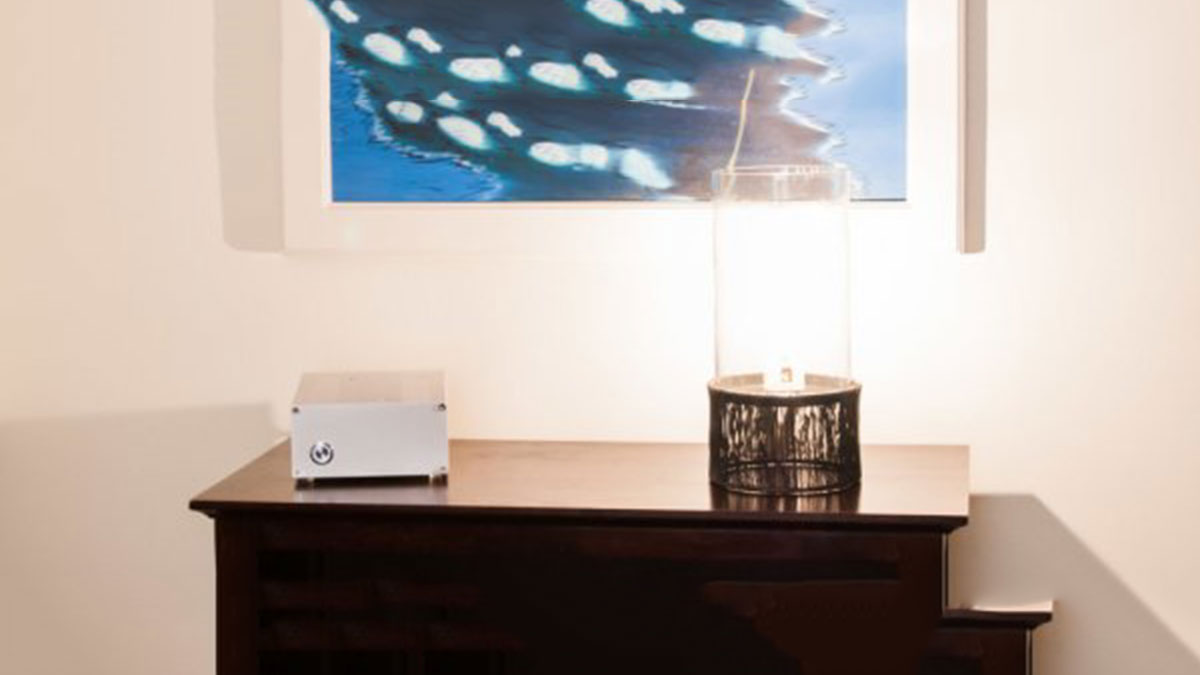
Sunlight simulation and light therapy light boxes are commonly used as light therapy for treatment of Seasonal Affective Disorder (SAD). My mom has SAD and after seeing her wimpy light box I thought there had to be something better out there, after some research I was really surprised at the underwhelming sunlight simulator light therapy options on the market. When I started this project my parents lived in the Northern Virginia \ DC area of USA where there are many overcast days in the winter months. I love bright work lighting and lighting in general so part of me was happy that was not there was not a good option available on the market so I could be creative and make my own for her. Most light therapy boxes use fluorescent lighting which I have never liked due to its spikes in a few bands on the spectral power distribution (spectral distribution or emission spectra, discussed below). I love the full spectrum light of incandescent and halogens but to get a light bright enough to work for light therapy I needed a bulb in the 1100 watt halogen or 1500 watt incandescent range at minimum (likely much higher for ideal lumens) which is impractical in its power consumption and heat output. The best all around option is a high intensity discharge (HID) light such as a ceramic metal halide which have some of the best Color Rendering Index (CRI), spectral distribution, lifespan, and cost of any non-incandescent light source.
When picking which light source to use for a light therapy box build it is worth noting the other options other than fluorescents and why I did not choose to use them. First LEDs; the LED market is changing so quickly that whatever I say about the current LED options here will shortly be obsolete. When I started this project in 2013, high end, high power LEDs with very good spectral distribution were exponentially more expensive per lumen. To build or buy a high quality LED lamp that outputs 15,000+ lumens would use multiple extremely expensive high power high CRI LED modules and would actually be less efficient lumen output per watt than ceramic metal halide in 2013. Also LEDs have higher output in the blue spectrum than metal halide which is less natural compared to sunlight. LED technology is changing quickly and with time LEDs will likley overtake ceramic metal halide as the go-to choice. The second option was arc lamps like xenon arc or similar. While this is a very appealing lamp in terms of its emission spectral distribution characteristic (just about the best it gets and why they are commonly used in video projectors), metal halides are better from a practical and value standpoint. Xenons arc lamps have short bulb lifes (about the same as an incandescent), are very expensive compared to metal halide, output large amounts of UV, have relatively low luminous efficacy (~40lm\w), and ballast are much harder to find and are more expensive. If money was no object and heat was not an issue a well engineered xenon arc lamp would be the best option.
Metal halides are rarely seen in residential \ consumer lighting mainly due to their long startup times and higher prices but are the logical choice for sunlight simulation when startup times are not critical and will be turned on for long periods of time. Ceramic metal halide lamps are superior over traditional quartz metal halides due to their higher CRI and luminous efficacy which is obtainable from higher internal temperatures. When picking a metal halide bulb for a DIY lighting project there are some important things to keep in mind. Most bulbs are not rated for open enclosures and need some form of protection from a bulb blowout. This and all the bulbs specifications are listed in the bulb choices section. To give some background on what all the terminology is in the bulb comparison table, I have discussed a few keys points in the below section.
Read more: DIY Sunlight Simulator – Light Therapy Light
- Why did the author choose not to use fluorescent lighting?
Fluorescent lighting has spikes in a few bands on the spectral power distribution which the author dislikes. - What is the main drawback of using high-power incandescent or halogen bulbs for this project?
They require impractically high wattage (1100-1500 watts minimum) resulting in excessive power consumption and heat output. - Why were LED modules considered less efficient than ceramic metal halide in 2013?
High-end LEDs were exponentially more expensive per lumen and offered lower lumen output per watt than ceramic metal halide at that time. - What advantage do xenon arc lamps have over metal halides?
Xenon arc lamps offer the best emission spectral distribution characteristics but are less practical due to short bulb life and high cost. - Why are ceramic metal halides preferred over traditional quartz metal halides?
Ceramic metal halides provide higher CRI and luminous efficacy because they operate at higher internal temperatures. - What safety consideration is necessary when selecting a metal halide bulb?
Most bulbs are not rated for open enclosures and require protection from a potential bulb blowout.
