
Summary of AMD LAUNCHES TWO MORE RYZEN EMBEDDED CHIPS FOR LOW-POWER PCS
AMD expanded its Ryzen Embedded ecosystem with two new low-power R1000 series processors, the R1102G and R1305G. Designed for a 6-10 Watt TDP range, these chips utilize 14nm architecture with first-gen Zen cores and Radeon Vega graphics. They target applications requiring high computing power with minimal energy consumption, offering improved CPU performance per watt over previous R-Series models despite slightly lower clock speeds to maintain efficiency.
Parts used in the AMD Ryzen Embedded R1000 Project:
- AMD Ryzen Embedded R1102G processor
- AMD Ryzen Embedded R1305G processor
- DDR4-2400 memory
- AMD Ryzen 3 graphics (Radeon Vega)
A few days back, AMD announced the expansion of its Ryzen™ Embedded ecosystem with the addition of two new, low-power, AMD Ryzen™ Embedded R1000 processors designed to provide customers with a low TDP range of between 6 to 10 Watts. The new processors named the R1102G and R1305G, were designed to serve the needs of customers who need a fairly high computing power but can’t afford the power consumption rates of other processors in the ecosystem.
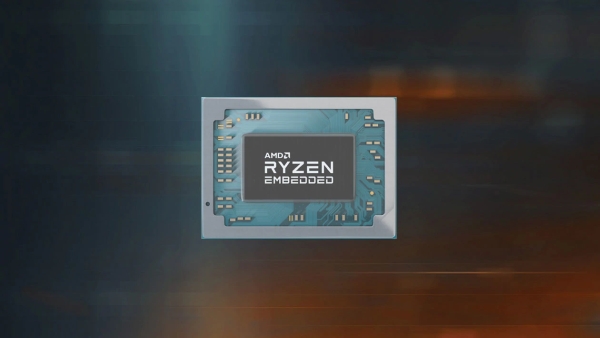
According to the companies, Corporate Vice President and General Manager for Embedded Solutions, Rajneesh Gaur, the new processors highlights AMD’s desire to provide the embedded industry with high-performance computing. In his words, Rajneesh said
AMD is ushering in a new age of high-performance computing for the embedded industry. We are doing this with cutting-edge technology to display immersive graphics in 4K resolution with AMD Ryzen Embedded processors, and we are now offering access to high performance in power-efficient solutions with these new low-power Ryzen Embedded R1000 processors.
Being part of the Ryzen R1000 series, the new processors retain the DNA of the Ryzen series as they are also 14nm processors, and are built on the first-gen “Zen” CPU cores with Radeon Vega graphics. They also offer better CPU performance per watt, and better graphics performance compared to the predecessors like the AMD R-Series processors.
The new chips support DDR4-2400 memory and AMD Ryzen 3 graphics, with GPU frequencies of 1 GHz, and CPU base frequencies of 1.5GHz(for R1305G) and 1.2GHz(for R1102G), which puts the processors a bit behind when compared with the previous Ryzen versions in terms of speed. This is however understandable, as it might be a necessary trade-off that needed to be made to reduce power consumption.
Their numbers probably gave this next point away already, but there are significant differences between the two processors, with the R1305G seaming the one with higher performance. Some of the differences between the two processors are highlighted below;
R1305G processor supports up to 3 displays, while the R1102G only supports a max of 2.The R1102G processor supports single-channel memory (w/ECC), while R1305G supports dual-channel (w/o ECC)R1102G comes with 4 PCI lanes, While the R1305G processor comes with 8.
Read more: AMD LAUNCHES TWO MORE RYZEN EMBEDDED CHIPS FOR LOW-POWER PCS
- What are the new AMD Ryzen Embedded processors announced?
The new processors are the R1102G and R1305G. - What is the TDP range for these new processors?
The processors have a low TDP range of between 6 to 10 Watts. - How many displays do the R1102G and R1305G support?
The R1305G supports up to 3 displays, while the R1102G supports a maximum of 2. - Does the R1102G support dual-channel memory?
No, the R1102G supports single-channel memory with ECC. - What is the CPU base frequency of the R1305G?
The CPU base frequency of the R1305G is 1.5GHz. - Which architecture are these processors built on?
They are built on 14nm technology with first-gen Zen CPU cores. - How does GPU frequency compare between the two chips?
Both processors feature GPU frequencies of 1 GHz. - Do these processors offer better performance than predecessors?
Yes, they offer better CPU performance per watt and better graphics performance compared to AMD R-Series processors.
