
Summary of Binary Watch Production
The author details the production flow for a custom binary watch project, emphasizing the use of a QFN microcontroller package to save space and refine soldering skills. This choice introduces specific manufacturing challenges: the absence of external leads requires precise soldering on exposed exterior and underside metal pads, while a large internal ground pad necessitates specialized equipment like a hot air rework station or reflow oven to ensure proper solder adhesion.
Parts used in the Binary Watch:
- Microcontroller in QFN package
- Hot air rework station
- Reflow oven
- Solder
I’ve been spending a decent bit of my free time lately on my binary watch project. I have a full writeup that I added to the projects section (which goes into more detail about the hardware and software used, and contains information about my GitHub and storefront), but I figured I’d also do a post on the production flow I’ve been using, since I think that’s kind of cool (thus reaffirming that I am an embedded systems nerd : )
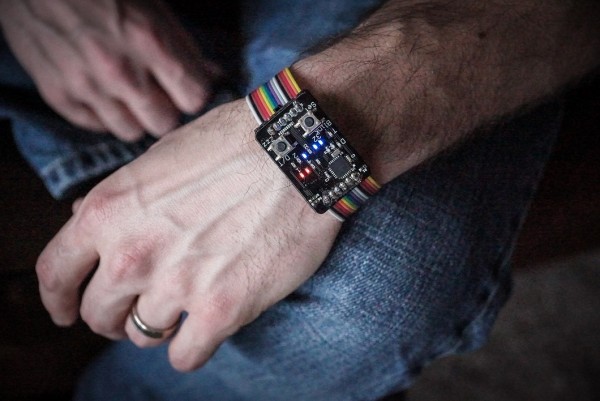
To start with, I made the conscious decision at the design phase of the project to use a QFN package for the microcontroller in order to save space and force myself to improve my soldering skills and tools. This package has two big hurdles to overcome. For one, it does not have leads extending from the package like I’m used to with, say, a TSSOP part.
Instead, the exterior of the package has exposed pieces of metal on the outside and underside of the package that the solder must adhere to. The second big hurdle is that the package has a very large ground pad in the center. Since the ground pad is not exposed, it is nearly impossible to get solder to flow on it without using either a hot air rework station or a reflow oven.
For more Details: Binary Watch Production
-
Why did the author choose a QFN package for the microcontroller?
To save space and force improvement in soldering skills and tools. -
What is the first major hurdle when using a QFN package?
The package does not have leads extending from it like TSSOP parts. -
Where must the solder adhere on a QFN package?
On the exposed pieces of metal on the outside and underside of the package. -
What is the second big hurdle with the QFN package described?
The package has a very large ground pad in the center that is not exposed. -
How can one get solder to flow on the central ground pad of a QFN?
By using either a hot air rework station or a reflow oven. -
Is it possible to solder the central ground pad without special equipment?
No, it is nearly impossible without a hot air rework station or reflow oven.
