
Summary of Microkite DTX module Using Arduino
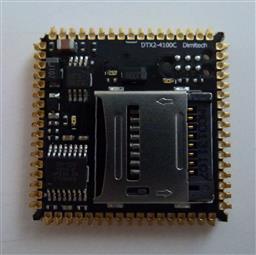
Microkite is a DTX module leveraging PIC32MX1xx/2xx microcontrollers, featuring an integrated power supply, microSD connector, and USB-UART bridge. Designed for control systems, it adheres to the DTX standard pinout for seamless upgrades and fits into a PLCC-68 socket to optimize hardware and software development.
Parts used in the Microkite DTX module:
- PIC32MX1xx/2xx microcontrollers
- Integrated power supply
- microSD connector
- USB-UART bridge
- PLCC-68 socket
Microkite is a DTX module built to utilise the great potential of the new PIC32MX1xx/2xx microcontrollers. It integrates a power supply able to provide power to the external user circuit as well, a microSD connector for data storage and a USB-UART bridge for easy communication with a PC terminal.
The module is intended for inclusion in various control systems and follows the DTX standard pinout which opens the possibility for a trouble-free upgrade with newer models in future. The module fits into a standard PLCC-68 socket and significantly optimises the end user circuit and the later software development process.
For more detail: Microkite DTX module Using Arduino
- What microcontrollers does the Microkite module utilize?
The module is built to utilize the potential of the new PIC32MX1xx/2xx microcontrollers. - Does the module provide power to external circuits?
Yes, it integrates a power supply able to provide power to the external user circuit as well. - How can users store data on this module?
Data storage is handled through an integrated microSD connector. - Can I communicate with a PC terminal using this module?
Yes, a USB-UART bridge is included for easy communication with a PC terminal. - Is the Microkite module compatible with future models?
Yes, it follows the DTX standard pinout which opens the possibility for a trouble-free upgrade with newer models. - What type of socket does the module fit into?
The module fits into a standard PLCC-68 socket. - How does the module affect the end user circuit?
The module significantly optimises the end user circuit and the later software development process.
