
Summary of 7 alternative hacker boards Using Arduinno
This article highlights seven Freescale-enabled alternative hacker boards presented by Steve Nelson at the Designers of Things conference. These low-cost, community-supported boards facilitate easy transitions to commercial manufacturing. Nelson recommends evaluating options based on five key criteria: Simplicity, Staying power, Stability, Security, and Standards.
Parts used in the 7 Alternative Hacker Boards:
- Freescale-enabled hacker boards
- Community-supported development platforms
- Low-cost commercial volume manufacturing solutions
Arduino and Raspberry Pi are great, well-utilized DIY boards for hacking just about anything you want to design. But if you’re looking for an alternate hacker board, here are seven that Steve Nelson, Freescale’s director of ecosystem and marketing programs, presented at this week’s Designers of Things (DoT) conference.
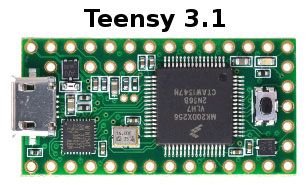
With some starting below the $20 mark, these Freescale-enabled, alternative hacker boards are community-supported and allow the transition to low-cost commercial volume manufacturing while still being compatible and easy-to-use, according to Nelson.
Overall, Nelson advises keeping 5 “S” thoughts in mind when choosing a board: Simplicity, as in ease of installation and operation; Staying power, meaning will it hold its value over time with consumers; Stability, questioning if a board needs regular rebooting or updating; Security as a factor in design; and Standards for compatibility regardless of the manufacture.
For more detail: 7 alternative hacker boards
- What are the seven alternative hacker boards mentioned?
The article mentions seven Freescale-enabled alternative hacker boards presented by Steve Nelson but does not list their specific names. - Can these boards be used for low-cost commercial volume manufacturing?
Yes, the article states they allow the transition to low-cost commercial volume manufacturing while remaining compatible and easy-to-use. - Does Steve Nelson provide advice on how to choose a board?
Yes, he advises keeping five thoughts in mind: Simplicity, Staying power, Stability, Security, and Standards. - How much do some of these boards cost?
Some of these boards start below the $20 mark. - What does the Simplicity criterion mean?
Simplicity refers to ease of installation and operation when choosing a board. - What is meant by Staying power?
Staying power means considering if the board will hold its value over time with consumers. - Why is Stability an important factor?
Stability involves questioning if a board needs regular rebooting or updating. - Is Security considered in the design process?
Yes, security is listed as one of the five key factors to consider in design. - What role do Standards play in compatibility?
Standards ensure compatibility regardless of the manufacturer.
