arduino

Biometric Sensing Computer Mouse1

Biometric Sensing Computer Mouse

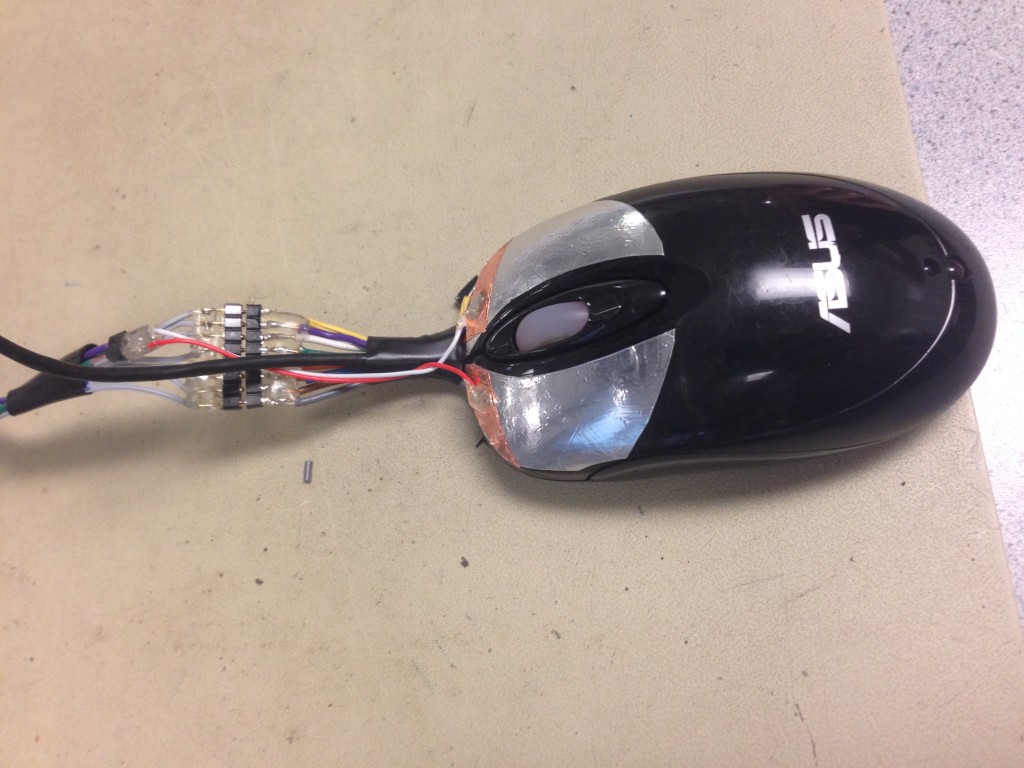
In the past five weeks, we have considered and built three projects, ranging from: optical sensing, electromyography (EMG), and galvanic skin response detection. Initially, our project was using an optical sensor and EMG to detect finger movement for applications, such as: playing piano and Morse code. However, after completing the hardware, due to issues with

Biometric Sensing Computer Mouse Continue Reading

Blind Maze Navigation using 2 DOF Haptic Joystick

Blind Maze Navigation using 2-DOF Haptic Joystick

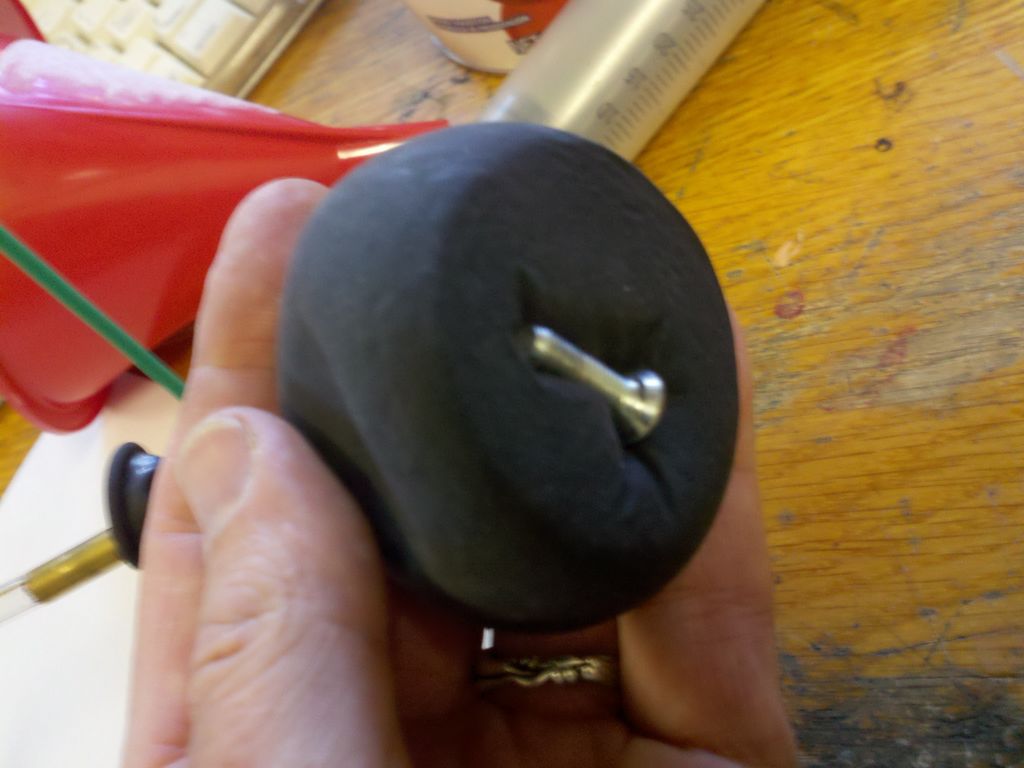
The domain of haptics has immense potential as a technology to assist visually-impaired individuals with their navigation of the physical world. In this project, we sought to develop a 2-DOF haptic joystick to provide force-feedback to a user as she attempts to navigate a maze – with no visual feedback whatsoever. The proof of concept

Blind Maze Navigation using 2-DOF Haptic Joystick Continue Reading

Head Mouse Game controller or disability aid using Arduino

Head Mouse – Game controller or disability aid using Arduino

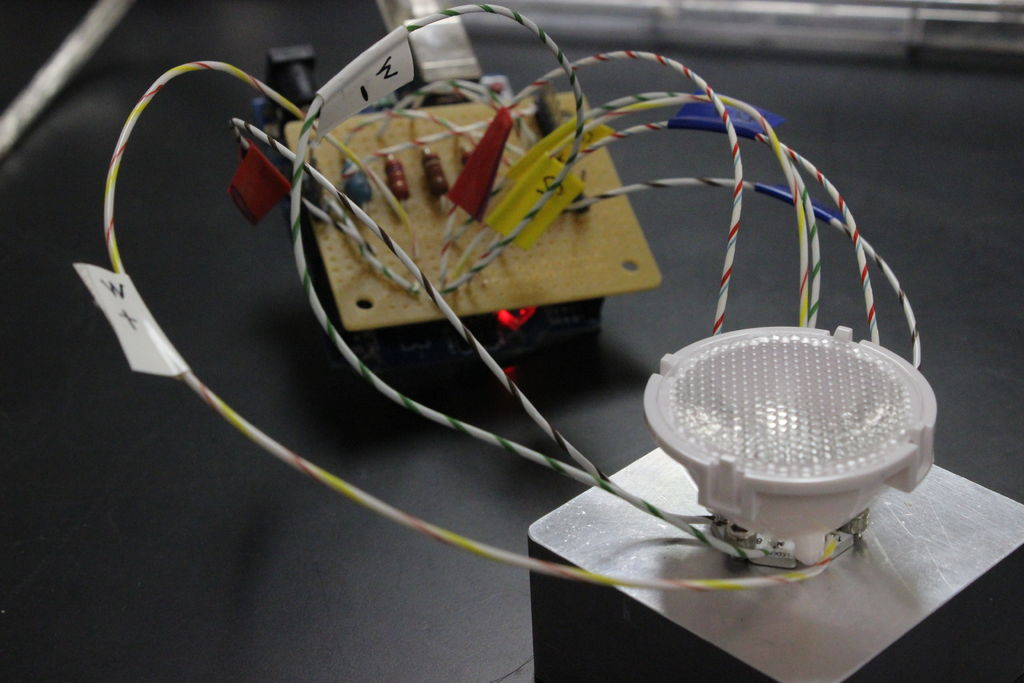
My kids wanted to have a head controlled mouse for playing Minecraft – they wanted to move their heads and have the field of view move. I decided that was a challenge I couldn’t resist, so I decided to build a movement controlled mouse using an arduino and a gyroscope chip. Components A-Star 32U4 Micro

Head Mouse – Game controller or disability aid using Arduino Continue Reading

Open source multi channel EEG ECG EMG

Open source multi-channel EEG/ECG/EMG

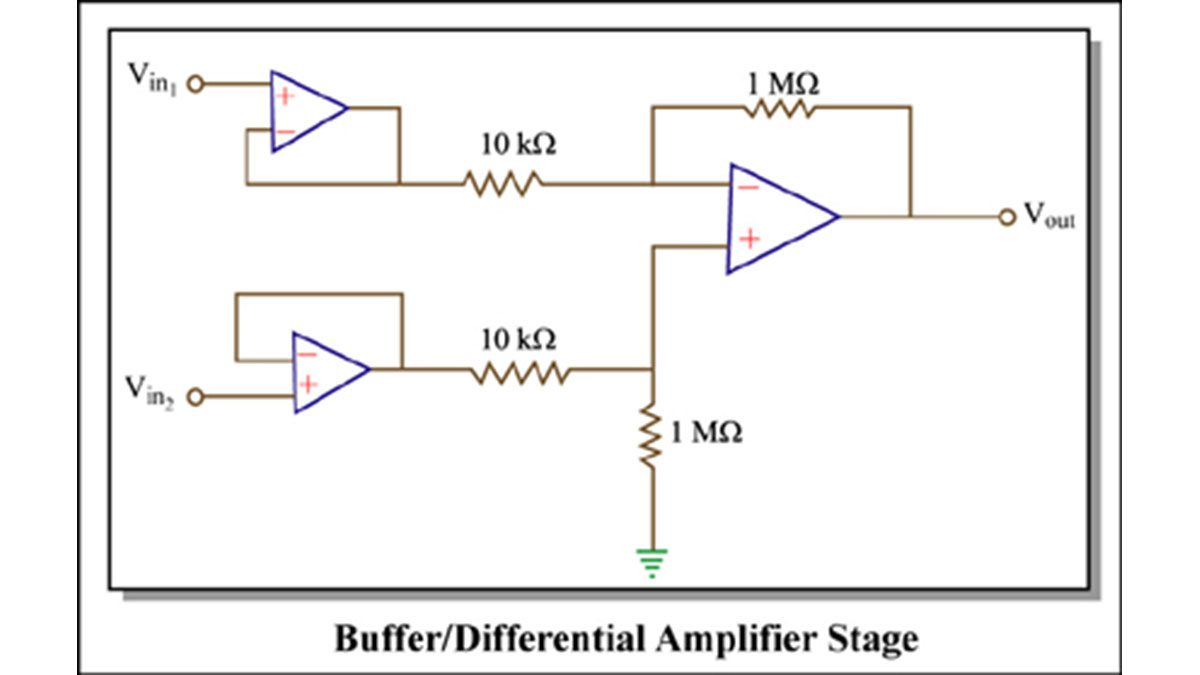
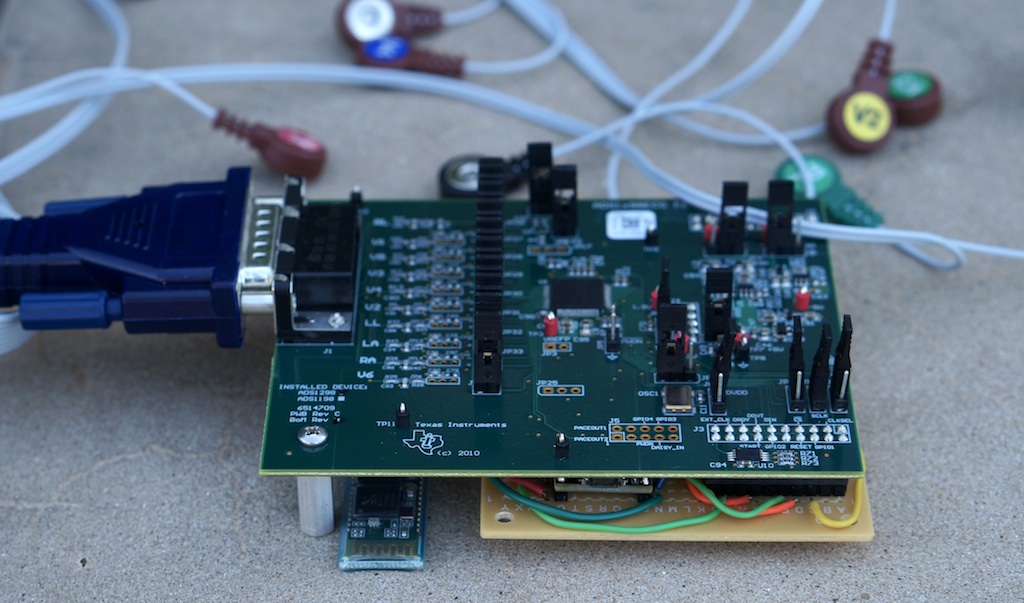
Introduction Electrodes on the skin are used to detect muscle (EMG), brain (EEG), and heart (ECG/EKG) functions. These electrophysiological measures are commonly utilized for clinical use, research investigations, and even by enthusiasts such as those intrigued by brain computer interfaces. Numerous commercial systems are categorized as “medical grade”, indicating that they come at a high

Open source multi-channel EEG/ECG/EMG Continue Reading

Scroll to Top