Projects

Fabricate the board

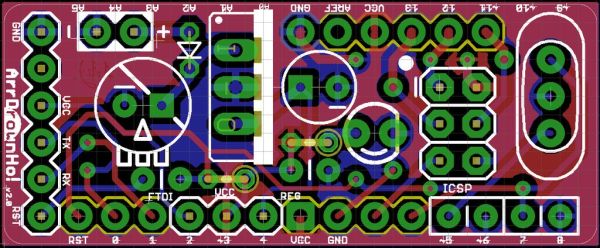
ArrDrownHo! – Easily convert AVR to Arduino

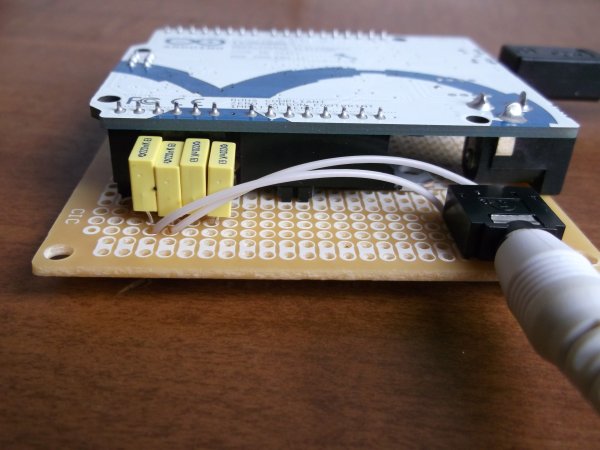
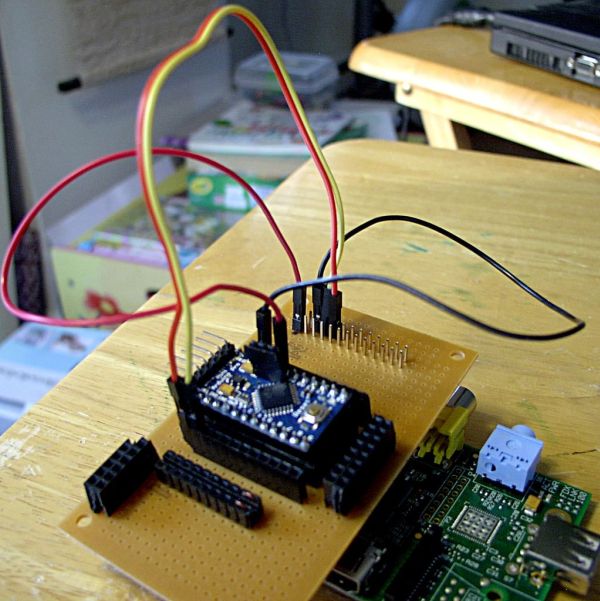
Cap’n ArrDrownHo! is the lovechild of Ardweeny and Boarduino and he’s here to commandeer your AVR ships. ArrDrownHo! inherits pros of both and cons of neither. Pick up an AVR chip and start prototyping instantly on a breadboard! Want to replace that costly Arduino in your project with a cheap AVR, but don’t know how? Use the simple plug-and-play

ArrDrownHo! – Easily convert AVR to Arduino Continue Reading

Arduino kaosillitaor

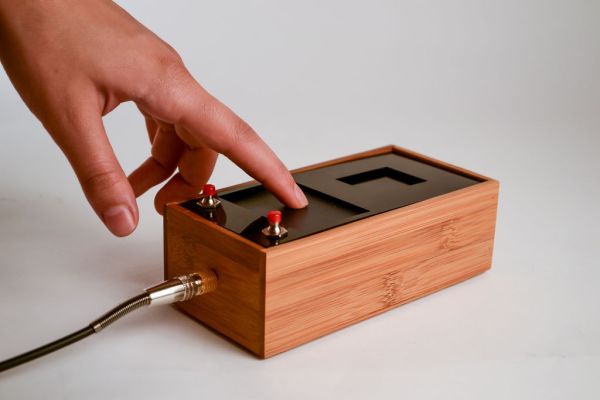
Kaosduino: Create your own kaosillitaor using Arduino

This project is a part of experiments done while doing an artist in residence at Instructables. You can see the other projects here. Inspired by Korgs Kaossilator I took it upon myself to build an opensource version of it. This way people can design new ways of interacting with the touchpad. The basic principle is creating

Kaosduino: Create your own kaosillitaor using Arduino Continue Reading

Arduino Single button combination lock

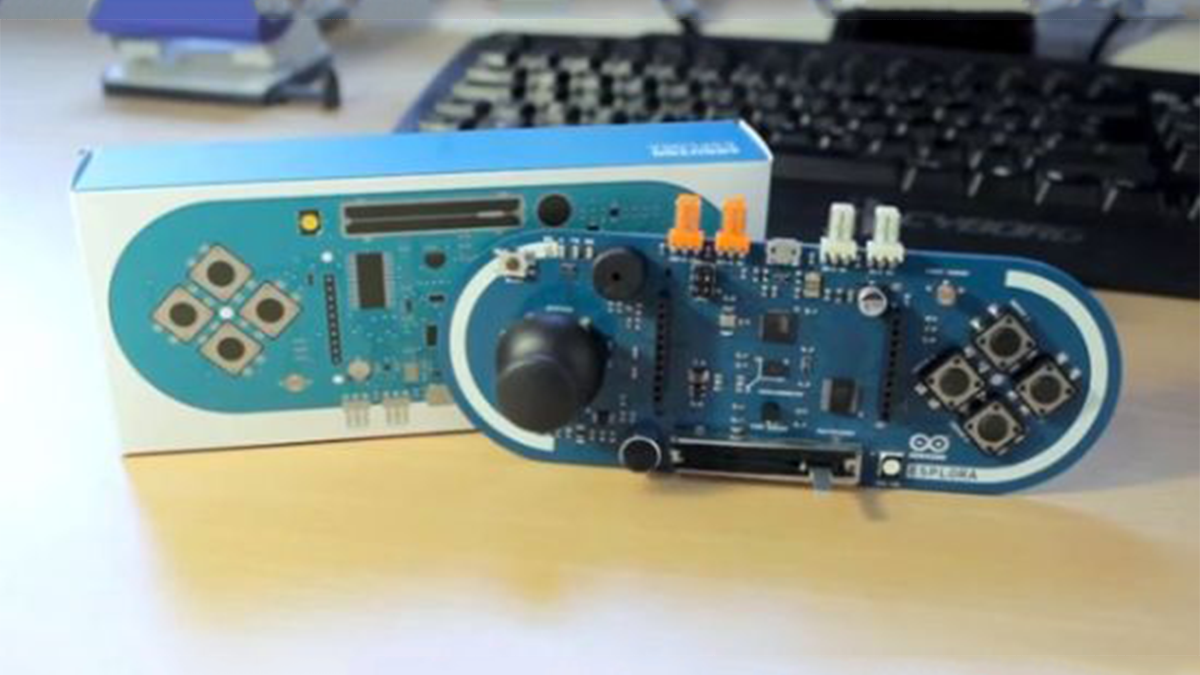
Single button combination lock using Arduino

Time for something different  – a single button combination lock. Allow me to explain… Updated 18/03/2013 Normally a combination lock would require the entry of a series of unique numbers in order to unlock something or start an action. For example: A more contemporary type of lock could be controlled electronically, for example by a

Single button combination lock using Arduino Continue Reading

The Knock Box

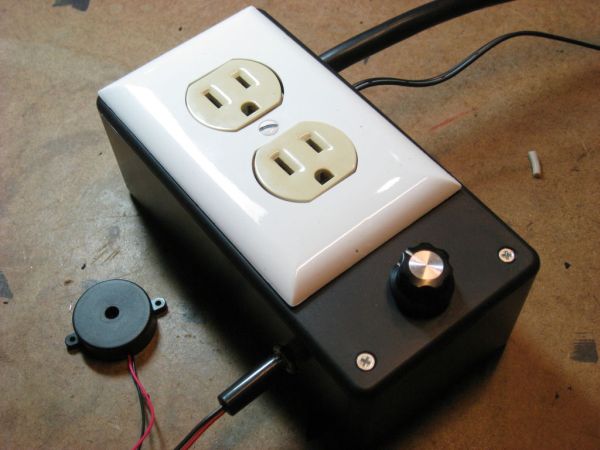
The Knock Box: Build a Knock-Sensitive Power Strip

The Knock Box is a power strip with superpowers – it turns on your lamp whenever you knock on your nightstand. You get two outlets, individually controlled by knock-knock-knocking on a nearby hard surface. It’s great for hitting the lights when it’s pitch dark, but if an appliance can plug into the wall, you can toggle it!

The Knock Box: Build a Knock-Sensitive Power Strip Continue Reading

Arduino Quasi real time oscilloscope

Quasi real-time oscilloscope using Arduino

Recently I was reviewing one of my oldest project, and decided to “refresh” previous design by taking full advantage of the new arduino Leonardo board.  Based on AtMega32U4, which include PGA (programmable gain amplifier), oscilloscope’s  analog front end doesn’t require external OPA this time, end could be build in 1-2 hours on prototype board, using

Quasi real-time oscilloscope using Arduino Continue Reading

Scroll to Top