
Summary of Better lithium-ion Charging Using Arduino
Stanford researchers discovered that modifying battery design enables faster charge/discharge rates and extends cycle life, challenging the traditional belief that slow trickle charging is optimal for longevity. By analyzing microscopic changes in coin cell batteries using X-rays after varied charging tests, they identified key design tweaks for improved performance.
Parts used in the Lithium-ion Battery Research:
- Lithium-ion batteries
- Coin cell batteries
- Electrodes
- X-ray equipment
We all know lithium-ion batteries need careful monitoring to prevent over-charging and ensure cell temperature remains within limits. We all thought we knew the best way to replace the charge as well: trickle charge, take it nice and gentle to keep the cell temperature down and prolong cell life. Turns out we may have got that last one wrong! New findings published in the Nature Materials Journal by a team of researchers at Stanford University indicate that by tweaking the battery design it may be possible to get faster charge/discharge rates and also increase the number of charge cycles.
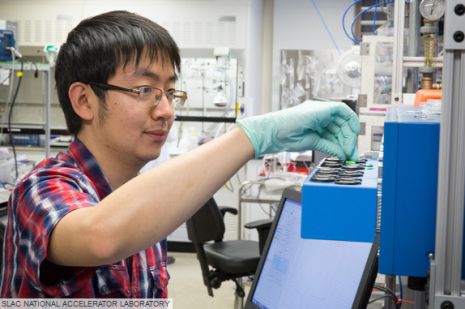
To check out what was going on a microscopic scale the researchers made small coin cell batteries. These where then charged at different rates for various periods of time, dismantled (their contents washed out to stop the charge/discharge process) and then the electrodes were sliced up for examination under x-rays.
For more detail: Better lithium-ion Charging
- What did Stanford researchers discover about lithium-ion charging?
Tweaking battery design allows for faster charge/discharge rates and increased charge cycles. - Can we replace the old method of trickle charging?
Yes, new findings suggest the best way may not be gentle trickle charging to keep cell temperature down. - How did the researchers check what was going on at a microscopic scale?
They made small coin cell batteries and examined sliced electrodes under x-rays. - What type of journal published these new findings?
The Nature Materials Journal published the research by the team at Stanford University. - Does the article mention if cell temperature limits are still important?
Yes, the text notes that careful monitoring is needed to ensure cell temperature remains within limits. - What process stopped the charge or discharge during the experiment?
The contents were washed out to stop the charge or discharge process before dismantling. - What specific components were sliced up for examination?
The electrodes from the coin cell batteries were sliced up for examination. - Can increasing the number of charge cycles be achieved through design changes?
Yes, tweaking the battery design may increase the number of charge cycles.
