
Summary of TSMC, ARM see impressive results with FinFET process
TSMC's 16nm FinFET technology significantly enhances ARM big.LITTLE processors, offering double gate density and superior speed-power efficiency compared to 28HPM. The collaboration achieved a 2.3GHz Cortex-A57 peak and ultra-low 75mW consumption for the Cortex-A53. Future 16FF+ updates promise further performance gains and power reductions by late 2014.
Parts used in the TSMC ARM big.LITTLE Project:
- TSMC 16FinFET process
- ARMv8-A processor series
- Cortex-A57 processor
- Cortex-A53 processor
- TSMC 16FF process technology
- TSMC 16FF+ process technology
Technology from a Taiwanese semiconductor foundry is to bring considerable benefits in performance and power efficiency to big.LITTLE implementations, in the name of FinFET. Hsinchu, Taiwan-based TSMC announced last month it had successfully produced the first fully functional ARM-based networking processor with FinFET technology and explained how TSMC’s 16FinFET process promises speed and power improvements as well as leakage reduction.
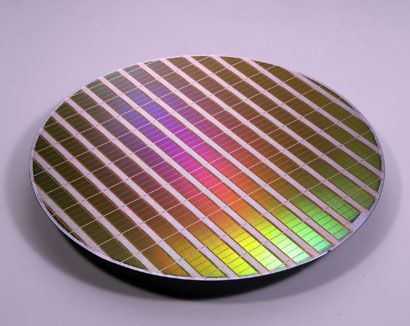
The advantages address “challenges that have become critical barriers to further scaling of advanced SoC technology. It has twice the gate density of TSMC’s 28HPM process, and operates more than 40 percent faster at the same total power, or reduces total power over 60 percent at the same speed.” Last month the company also announced 16nm FinFET (16FF) process technology improvements in light of a collaboration between ARM and TSMC to jointly optimize the 64-bit ARMv8-A processor series on FinFET process technologies. TSMC and ARM set new benchmarks for performance and power efficiency with FinFET Silicon with 64-bit ARM big.LITTLE technology. Silicon results on 16FF showed the “big” Cortex-A57 processor achieving 2.3GHz for sustained mobile peak performance, as well as the “LITTLE” Cortex-A53 processor consuming only 75mW for most common workloads. The company said TSMC’s 16FF+ process technology will deliver an additional 11 percent gain in performance for the Cortex-A57 at the same power as the 16FF process, and a further 35 percent power reduction for the Cortex-A53 when running low-intensity applications. The 16FF+ is scheduled to be delivered by Q4 2014.
For more detail: TSMC, ARM see impressive results with FinFET process
- What benefits does TSMC's 16FinFET technology bring?
It provides twice the gate density of 28HPM, operates over 40 percent faster at the same power, or reduces total power by over 60 percent at the same speed. - How fast is the Cortex-A57 processor on 16FF?
The big Cortex-A57 processor achieves 2.3GHz for sustained mobile peak performance. - How much power does the Cortex-A53 consume?
The LITTLE Cortex-A53 consumes only 75mW for most common workloads. - When will the 16FF+ process technology be delivered?
The 16FF+ is scheduled to be delivered by Q4 2014. - Does the 16FF+ improve performance over 16FF?
Yes, it delivers an additional 11 percent gain in performance for the Cortex-A57 at the same power. - Can the 16FF+ reduce power consumption further?
Yes, it offers a further 35 percent power reduction for the Cortex-A53 when running low-intensity applications. - Which companies collaborated to optimize the 64-bit ARMv8-A processor?
ARM and TSMC collaborated to jointly optimize the 64-bit ARMv8-A processor series on FinFET process technologies.
