
Summary of 5 Must-Have Tools for Arduino Beginners
Arduino is an open-source electronics platform enabling users to create custom devices by converting inputs into outputs. This guide outlines essential tools, prototype materials, microcontrollers like the Uno or Nano, necessary software such as the Arduino IDE, and various electronic components required to build complex systems from scratch.
Parts used in the Arduino Project:
- Soldering Iron
- Solder
- Voltmeter
- Desoldering Pump
- Mini Drill
- Assembly equipment
- Laser printer
- Blank PCB boards
- Arduino microcontroller (Uno, Nano, Ethernet)
- Arduino IDE
- PCB Wizard
- Resistors
- Switches
- LEDs
- Motors
- Temperature sensors
- Potentiometers
Arduino is an open-source electronics platform or board, as well as the software used. Arduino boards are meant to read an input and turn it into a corresponding output, such as turning a Twitter notification into an email notification should someone desire that functionality. Instructions are sent using the Arduino programming language and Arduino software. The main reason why Arduino has so much widespread acceptance and use is that everything, from very simple tasks to extremely sophisticated analytical equipment, can be powered by an Arduino board that has been hand-customized and programmed by the user. Essentially, Arduino gives the power to individuals to create complex electronics.
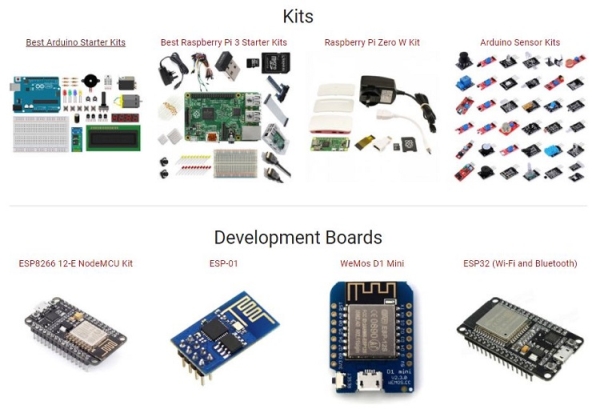
If you’re just getting started with Arduino, here are a few things you absolutely need to have:
1. Miscellaneous Tools
Most of these tools are necessary for every kind of electronics lab, not just an Arduino lab:
- Soldering Iron And Solder
- Voltmeter
- Desoldering Pump
- Mini Drill
- Assembly equipment
These tools are all used to ensure the proper placement of individual components on a circuit board. Anyone well-versed in electronics likely already has these tools on hand.
2.Prototype Materials
A laser printer and blank PCB boards should be on hand to prototype new boards for use in your Arduino-powered system. Making PCBs by designing circuit schematics, and then transferring them to a blank PCB is a relatively simple process that enables a hobbyist electronics creator to expand their horizons and make sure their theoretical designs function in real life.
3.Microcontroller
The Arduino microcontroller can be thought of as the brain of your piece of equipment. The most common Arduino microcontrollers are the Uno, the Nano, and the Ethernet models. Uno is often used for experimenting with Arduino software. The Nano is excellent for developing and prototyping, while the Ethernet model is excellent for any projects that require an Internet connection to receive data and act accordingly.
4.Software
To properly program your Arduino setup, you’ll need software that can work with the microcontroller, as well as software for creating your own PCBs should you desire. Arduino IDE should be used to upload information into the microprocessor, while something like the PCB Wizard is excellent for designing PCB schematics.
5.Components
You’ll need much more than just an Arduino board to be able to make complex equipment. All of the standard pieces of components such as resistors, switches, LEDs, motors, temperature sensors, and potentiometers are necessary. Arduino runs on turning specific inputs into certain outputs. Therefore, any component that can give the Arduino board different data to work with is a good component to have on hand to increase the number of individual tasks the microcontroller can focus on.
The assembly process
After you make sure that you have all the necessary tools to get started working on your project you should consider moving to the next step, which is the assembling process. Depending on the size of your project you may consider outsourcing the whole process which of course, can save you a lot of money, or if you’re planning to develop a larger project you may opt to purchase your own equipment.
Conclusion
Thanks to Arduino microcontrollers, the barrier of entry has been lowered significantly when it comes to creating advanced electronic equipment. Not only that, individuals or organizations can create their own electronics in-house in a relatively short amount of time, in exchange for minimal time and money as resources. With all of the tools listed above, one can get started with using Arduino, and then buy more specialized parts as needed. However, for those who are just getting started, this list is more than sufficient.
- What are the essential miscellaneous tools for an Arduino lab?
Necessary tools include a soldering iron, solder, voltmeter, desoldering pump, mini drill, and assembly equipment. - How can I prototype new boards for my Arduino system?
You should use a laser printer and blank PCB boards to design circuit schematics and transfer them onto the board. - Which Arduino microcontroller models are most common?
The most common models are the Uno, the Nano, and the Ethernet models. - Can I connect my Arduino project to the Internet?
Yes, the Ethernet model is excellent for projects requiring an Internet connection to receive data and act accordingly. - What software is needed to program the Arduino setup?
You need the Arduino IDE to upload information to the microprocessor and PCB Wizard for designing PCB schematics. - What standard components are necessary for making complex equipment?
Standard pieces include resistors, switches, LEDs, motors, temperature sensors, and potentiometers. - Does Arduino lower the barrier for creating advanced electronics?
Yes, thanks to Arduino microcontrollers, the barrier of entry has been lowered significantly for creating advanced electronic equipment. - Can I outsource the assembly process for larger projects?
Yes, depending on the size of your project, you may consider outsourcing the whole process to save money.
