converter

Inverting Converter with 1A

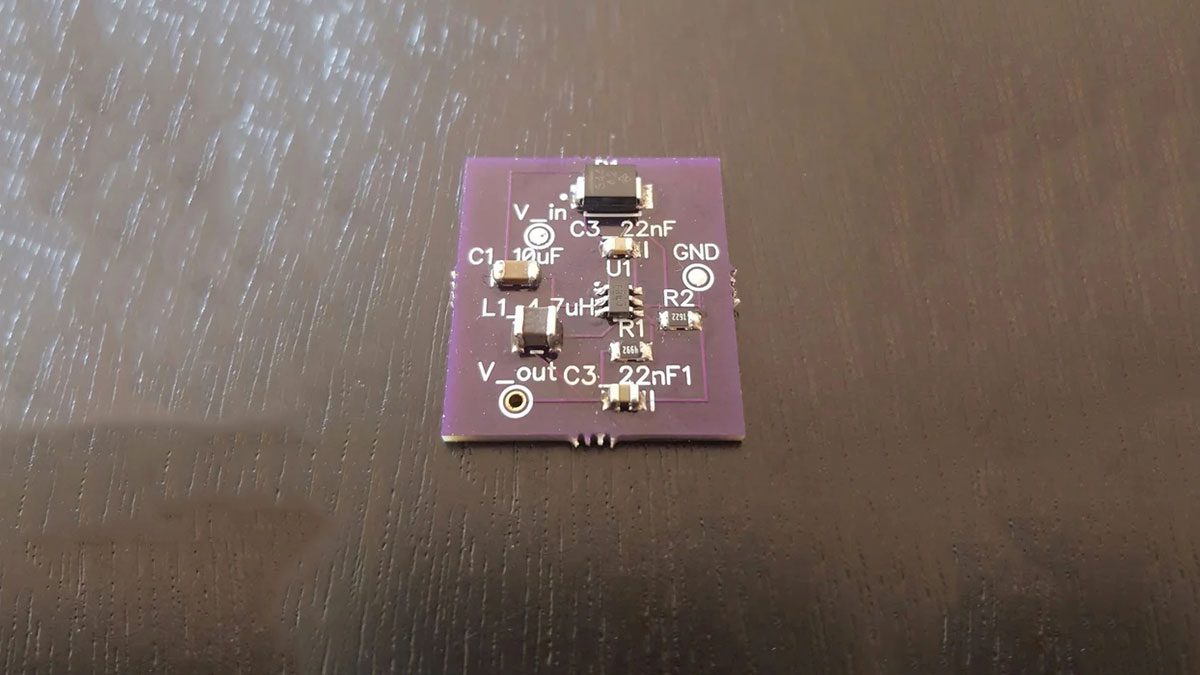
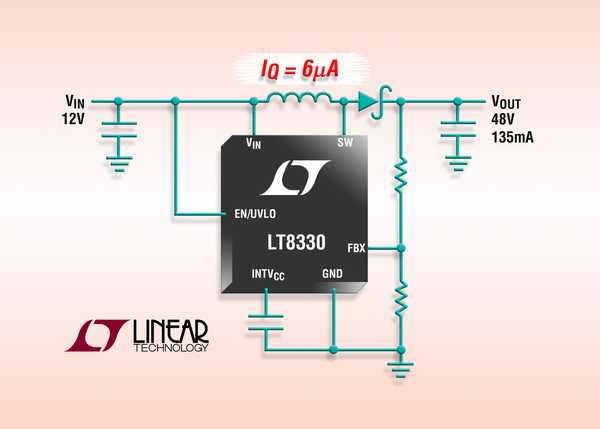
LT8330 – Low IQ Boost/SEPIC/Inverting Converter with 1A, 60V Switch

Features 3V to 40V Input Voltage Range Ultralow Quiescent Current and Low Ripple Burst Mode® Operation: IQ = 6μA 1A, 60V Power Switch Positive or Negative Output Voltage Programming with a Single Feedback Pin Fixed 2MHz Switching Frequency Accurate 1.6V EN/UVLO Pin Threshold Internal Compensation and Soft-Start Low Profile (1mm) ThinSOT™ Package Low Profile (0.75mm) 8-Lead (3mm […]

LT8330 – Low IQ Boost/SEPIC/Inverting Converter with 1A, 60V Switch Continue Reading
How to control LM2596 buck converter with microcontroller 1

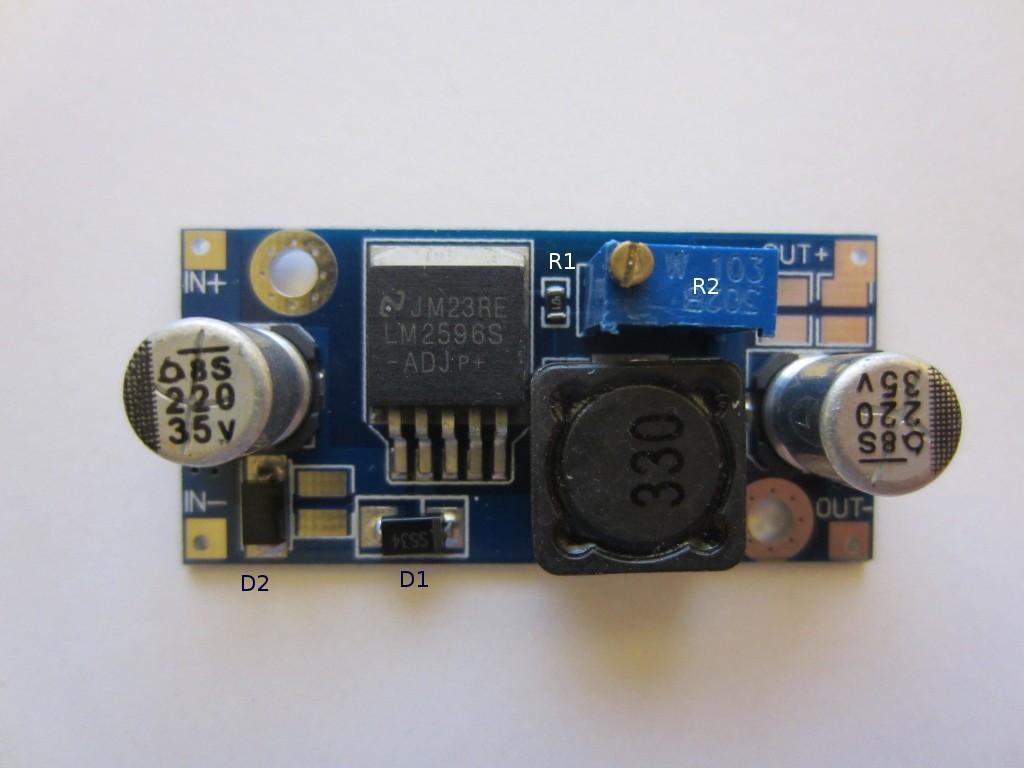
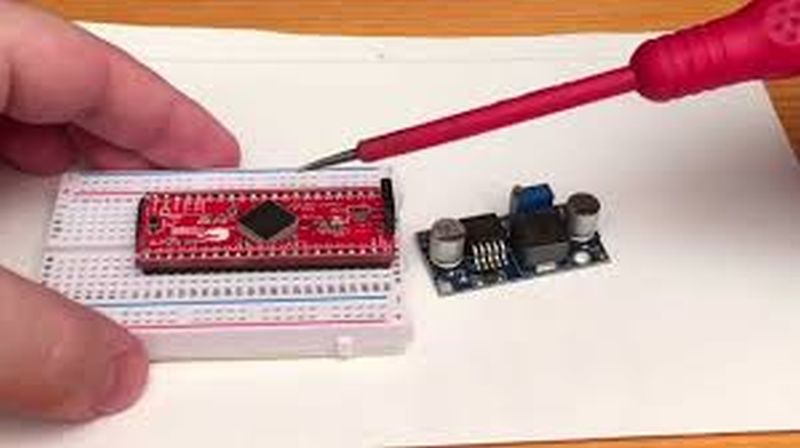
How to control LM2596 buck-converter with microcontroller

Every now and then someone asks on different forums if there is an way to control cheap LM2596 modules with an Arduino or another microcontroller. I decided to demonstrate one solution that might be basic electronics for some, but still many don’t know about. Those buck converters will change the output voltage to make the

How to control LM2596 buck-converter with microcontroller Continue Reading

Boost DC DC Converter

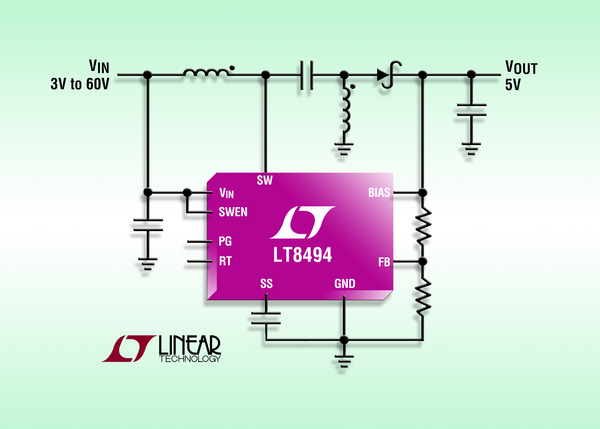
LT8494 – SEPIC/Boost DC/DC Converter with 2A, 70V Switch, and 7μA Quiescent Current

Features Low Ripple Burst Mode® Operation: 7μA IQ at 12VIN to 5VOUT Output Ripple (<10mV Typ.) Dual Supply Pins: Improves Efficiency Reduces Minimum Supply Voltage to ~1V after Start-Up to Extend Battery Life Wide Input Voltage Range of ~1V to 60V (2.5V to 32V for Start-Up) PG Functional for Input Supply Down to 1.3V FMEA Fault

LT8494 – SEPIC/Boost DC/DC Converter with 2A, 70V Switch, and 7μA Quiescent Current Continue Reading

Simplify DC DC Converter Characterization

Simplify DC-DC Converter Characterization

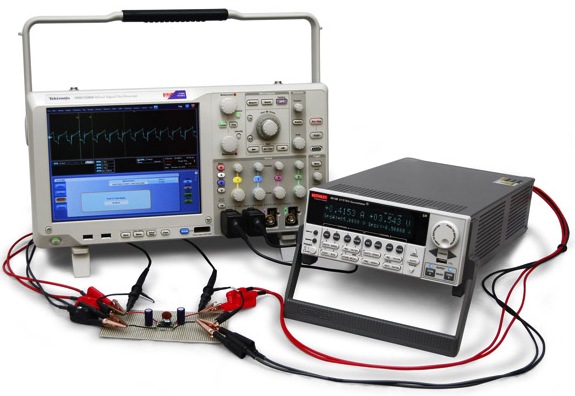
DC-DC converters are widely used components that convert DC power from one voltage to another, producing a regulated output voltage. These devices are used in many electronic products, including laptops, mobile phones, and instrumentation. Like any device, DC-DC converters need to be characterized by manufacturers and by engineers evaluating them for a design. Given the

Simplify DC-DC Converter Characterization Continue Reading

Light Meter Using I2C Level Converter LCD and TSL2561

Light Meter Using I2C Level Converter, LCD, and TSL2561using arduino

I recently needed to measure how different materials affect light transmission for a gardening project.  I decided this was the perfect opportunity to try out the new logic level converter to run both a 5v LCD and a 3.3v light sensor on a single i2c bus.  I used the following parts in this project: Arduino

Light Meter Using I2C Level Converter, LCD, and TSL2561using arduino Continue Reading

Scroll to Top