
Summary of Graphene-coated fibers make a good fit for wearable electronics
Researchers have successfully transferred monolayer graphene onto common polypropylene textile fibers using a chemical vapor deposition (CVD) process. This transparent, flexible material enables the creation of embedded wearable electronics like fitness trackers and phones. The transfer method involves spin-coating with PMMA, etching the copper substrate, and cleaning with acetone to leave a continuous graphene coat on the fiber.
Parts used in Graphene-Coated Fiber Project:
- Monolayer graphene
- Copper foil
- nanoCVD system
- Polypropylene fiber
- Polymethylmetacrylate (PMMA) film
- Acetone
Researchers have successfully transferred monolayer graphene to fibers commonly used in the textile industry. The transparent, flexible material could one day be used to create embedded wearable electronics, such as phones, fitness trackers or MP3 players.
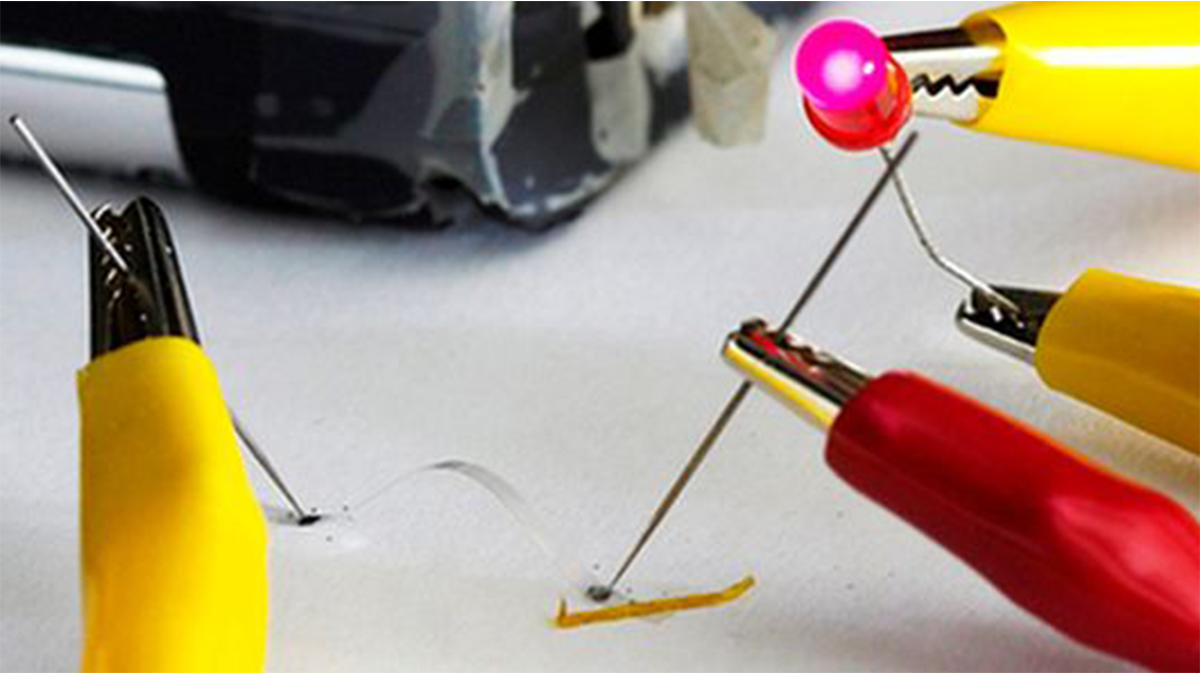
Not only is graphene strong and flexible, but it’s also the thinnest substance capable of conducting electricity, giving it huge potential for use in smart clothing. We’ve seen previous studies focus on using the material in textiles, with scientists at Pennsylvania State University and Japan’s Shinshu University creating graphene-based stretchable conductive yarn just last year.
For the new study, the research team worked with monolayer graphene – a form of the material well-suited to the task thanks to its flexibility, mechanical strength and electrical conductivity. The material was grown using chemical vapor deposition (CVD) onto copper foil using a nonoCVD system. Once grown, the team set to work transferring the graphene from the copper foils to a common polypropylene fiber.
The process involves spin-coating the graphene/copper substrate with a thin polymethylmetacrylate (PMMA) film before performing copper etching, and then transferring the graphene to the fibers. Finally, the PMMA film is removed via hot acetone cleaning, leaving a continuous coat of graphene monolayers over the fibers.
For More Details: Graphene-coated fibers make a good fit for wearable electronics
- What is the primary application of graphene-coated fibers?
The material could be used to create embedded wearable electronics such as phones, fitness trackers, or MP3 players. - How was the graphene grown for this study?
The material was grown using chemical vapor deposition onto copper foil using a nanoCVD system. - Which type of fiber was used in the transfer process?
The team transferred the graphene from copper foils to a common polypropylene fiber. - What role does PMMA play in the process?
A thin polymethylmetacrylate film is spin-coated over the graphene/copper substrate before copper etching. - How is the copper removed during fabrication?
The process involves performing copper etching after the PMMA coating step. - How is the final PMMA film removed?
The PMMA film is removed via hot acetone cleaning. - Why is monolayer graphene suitable for this task?
It is well-suited due to its flexibility, mechanical strength, and electrical conductivity. - Can graphene conduct electricity while being the thinnest substance?
Yes, it is the thinnest substance capable of conducting electricity.
