
Summary of DIY PCB inspection microscope
This article details a DIY microscope stand constructed from MDF to provide a stable, adjustable, and cost-effective alternative to commercial cast iron stands. The build emphasizes using readily available materials like wood glue, screws, and a macro slider to achieve heavy-duty stability with minimal flexing. The project includes specific hardware for lens adjustment and lighting, along with software recommendations for video recording.
Parts used in the DIY Microscope Stand:
- MDF (Medium Density Fiberboard)
- Screws
- Nuts
- Wood glue
- Macro slider
- Articulating magic arm clamp
- Kurokesu C1 USB camera
- C-mount microscope lens
- CS to C 5mm ring adapter
- Ring light
Despite how good microscope you have, stand is still very important part of final assembly. And while there are many commercial ones made of cast iron, they might cost more than a microscope head itself. I decided to make stand from wildly available material laying around – it’s MDF (Medium Density Fiberboard). Advantages – stable over time if not exposed to water, dirt cheap, easy to process.
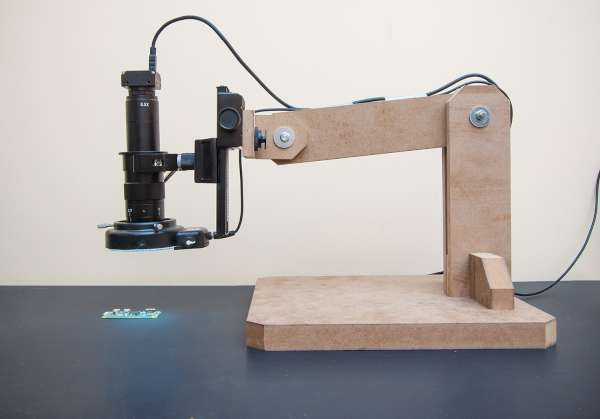
Overview
In general it can be made of any material you have by hand. Here are key requirements I tried to consider:
- Heavy. MDF used in this stand should weigh ~2.5 kilograms.
- Sturdy enough – flexing should be minimized.
- Adjustable height maintaining coaxial movement. Used macro slider to adjust lens distance.
- Quick position adjustment.
- Non exotic parts and materials.
Quick weekend sketch and stand is ready to be made.
Construction
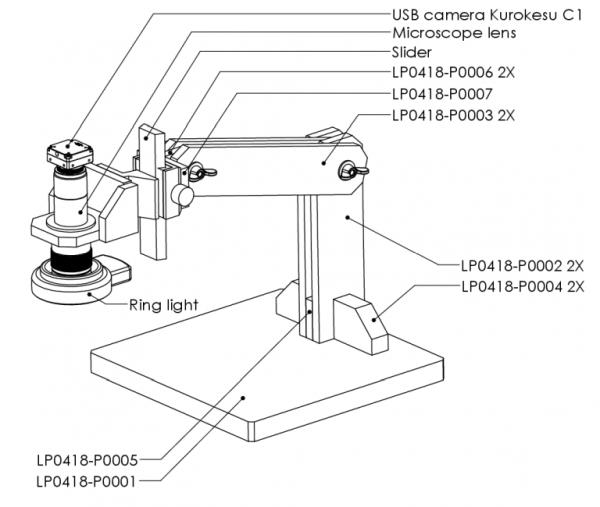
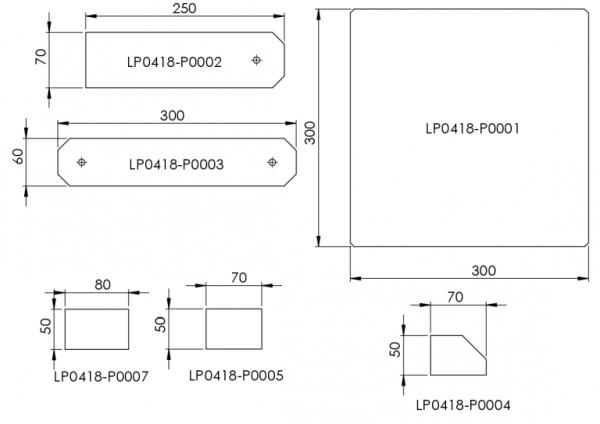
Parts
There are few kinds of parts used in this project:
- MDF parts – easy to cut and drill with any available tools
- Screws, nuts, wood glue – parts from regular hardware store
- Macro slider – key part which makes this contraption behave like real microscope. Can be obtained from eBay for under 10$.
- Last minute changes – I replaced some wooden parts with articulating magic arm clamp. Also obtained from eBay.
- Microscope lens and camera. You can use anything that suits your needs. I used parts from my shop (3D STEP models are available on Github):
- Ring light. Microscope can’t collect lot’s of light from a scene, so additional light is mandatory. I borrowed ring light from stereo microscope.
Making
Building whole stand took me 15minutes or so. Depending on tools you have and selected materials it might take longer. I also omitted painting.
- Prepare wooden parts – I used scrap material. Cutting with circular saw is quick and efficient task. Also helps maintaining perpendicular edges and cutting 45 miter angles. Highly recommended.
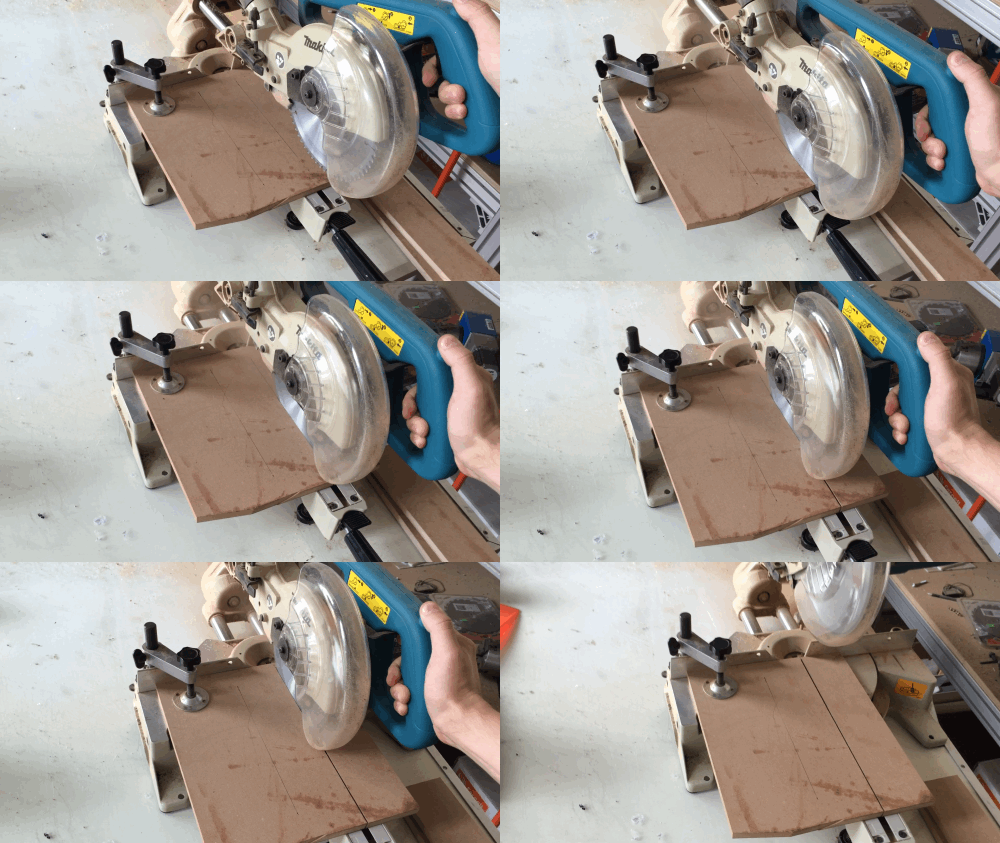
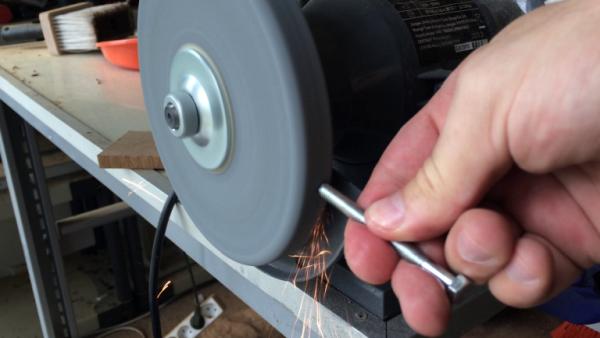
- Bolts I had were too long – had to trim few centimeters. Unnecessary task, but faster than going to local hardware shop. Had to improvise.
- Gluing is elementary job. Naturally – use wood glue and few clamps to secure whole contraption while it dries.
Results
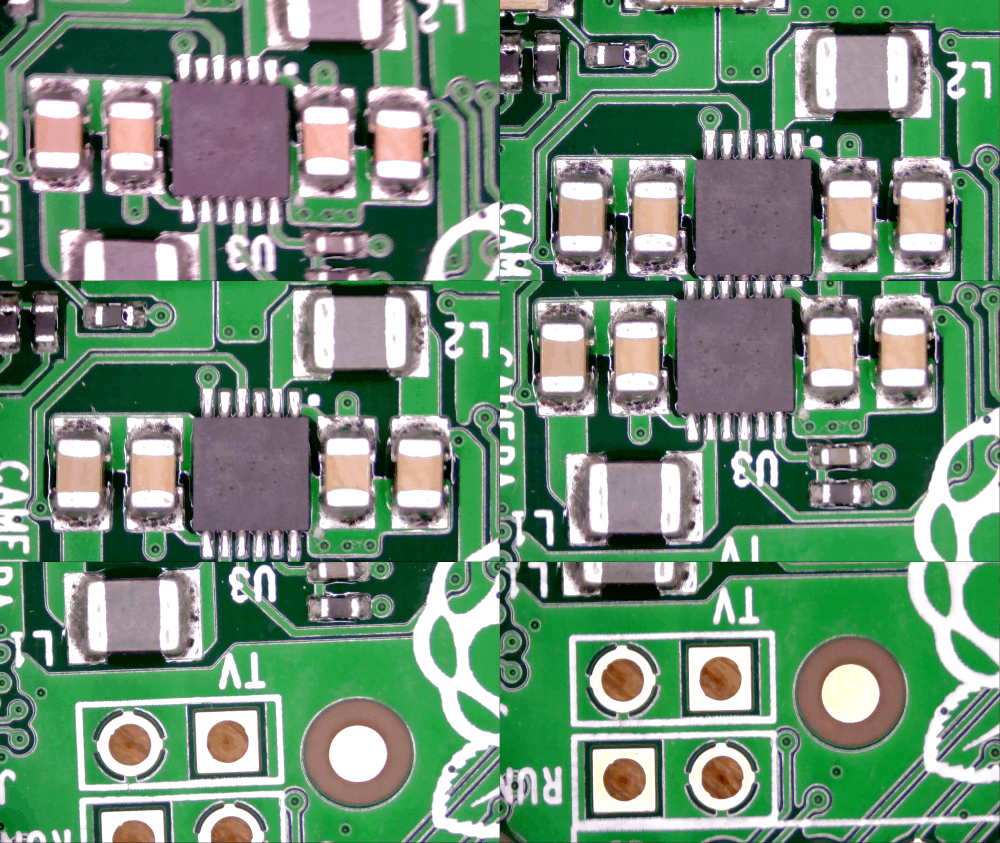
After it dried, few additional holes were drilled and extra hardware were installed it become normal microscope. Was surprised how tough it felt! Of course when things are magnified a lot, even tiny vibration will be amplified and will be visible in your frame. Steady table is recommended.


Software recomendation
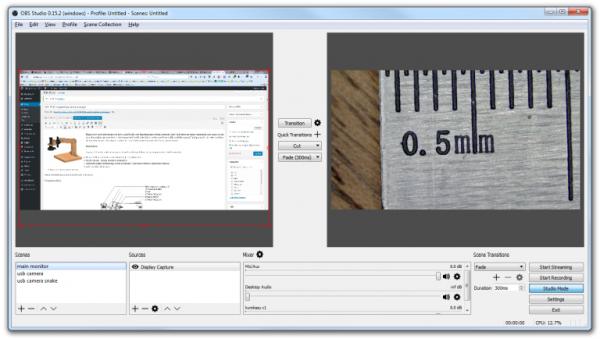
I tried many software packages to record video from USB camera and/or screen in the past. Some of them were better, some worse and some hopeless. But when I tested Open Broadcaster Software was surprised in a good way. It can record USB video, screen, mix views, has transitions between scenes and on top of that can stream directly to Youtube (or other service) live feed. It was definitely worth mentioning!
There are some minor issues (needs Administration permissions in order to record) and has dependencies on other libraries, but seems like all these “features” are discussed and well known. Once you get it running – there is no match. Best recording software ever!
With thanks to https://pcbway.com/ in getting developed this useful article.
- What material is recommended for building the stand?
MDF (Medium Density Fiberboard) is recommended because it is stable over time if not exposed to water, dirt cheap, and easy to process. - How much should the MDF stand weigh?
The stand made of MDF should weigh approximately 2.5 kilograms to ensure it is heavy enough. - Can I adjust the height while maintaining coaxial movement?
Yes, a macro slider is used to adjust the lens distance while maintaining coaxial movement. - Where can I obtain a macro slider for under 10 dollars?
A macro slider can be obtained from eBay for under 10 dollars. - What software is recommended for recording video from the USB camera?
Open Broadcaster Software is recommended as it can record USB video, screen, mix views, and stream live feeds. - Does the Open Broadcaster Software require special permissions?
Yes, Open Broadcaster Software needs Administration permissions in order to record. - Why is a ring light mandatory for this microscope setup?
A ring light is mandatory because the microscope cannot collect a lot of light from the scene on its own. - What tool is highly recommended for cutting wooden parts?
A circular saw is highly recommended for cutting wooden parts as it helps maintain perpendicular edges and cut 45 miter angles. - Is painting the stand necessary for the project?
No, the author omitted painting the stand during construction. - What happens if there are tiny vibrations during magnification?
When things are magnified a lot, even tiny vibrations will be amplified and visible in the frame.
