
Summary of Smartphone with Class G amp runs on 7mA audio chip
The LM49251 is a fully integrated audio subsystem for portable handheld devices like cellular phones. It combines a Class G headphone amplifier and a Class D speaker amplifier within a tiny 30-bump DSBGA package. Key features include dynamic supply rails for efficiency, E2S technology to reduce RF emissions, I2C control for volume and mode, and advanced click-and-pop suppression. Designed by National Semiconductor (now TI), it offers low power consumption, speaker protection via a power limiter, and automatic level control to manage distortion.
Parts used in the LM49251 Audio Subsystem:
- Class G Ground Referenced Headphone Amplifier
- E2S Class D Speaker Amplifier
- I2C Compatible Interface
- Power Limiter Speaker Protection
- Advanced Click-and-Pop Suppression Circuitry
- Automatic Level Control (ALC)
- Ultra-small 30-bump DSBGA Package
Description
The LM49251 is a fully integrated audio subsystem designed for portable handheld applications such as cellular phones. Part of TI’s PowerWise family of products, the LM49251 utilizes a high efficiency class G headphone amplifier topology as well as a high efficiency class D loudspeaker.
The headphone amplifiers feature TI’s class G ground referenced architecture that creates a ground-referenced output with dynamic supply rails for optimum efficiency. The stereo class D speaker amplifier provides both a no-clip feature and speaker protection. The Enhanced Emission Suppression (E2S) outputs feature a patented, ultra low EMI PWM architecture that significantly reduces RF emissions.
The LM49251 features separate volume controls for the mono and stereo inputs. Mode selection, shutdown control, and volume are controlled through an I2C compatible interface.
Click and pop suppression eliminates audible transients on power-up/down and during shutdown. The LM49251 is available in an ultra-small 30-bump DSBGA package (2.55mmx3.02mm)
Features
- Class G Ground Referenced Headphone Outputs
- E2S Class D Amplifier
- No Clip Function
- Power Limiter Speaker Protection
- I2C Volume and Mode Control
- Advanced Click-and-Pop Suppression
- Micro-Power Shutdown
Key Specifications
- Class G Headphone Amplifier, HPVDD = 1.8V, RL = 32Ω
- IDDQHP: 1.15 mA (Typ)
- Output Power, THD+N ≤ 1%: 20 mW (Typ)
- Stereo Class D Speaker Amplifier RL = 8Ω
- Output Power, THD+N ≤ 1%, LSVDD = 5.0V: 1.37 W (Typ)
- Output Power, THD+N ≤ 1%, LSVDD = 3.6V: 680 mW (Typ)
- Efficiency: 90% (Typ)
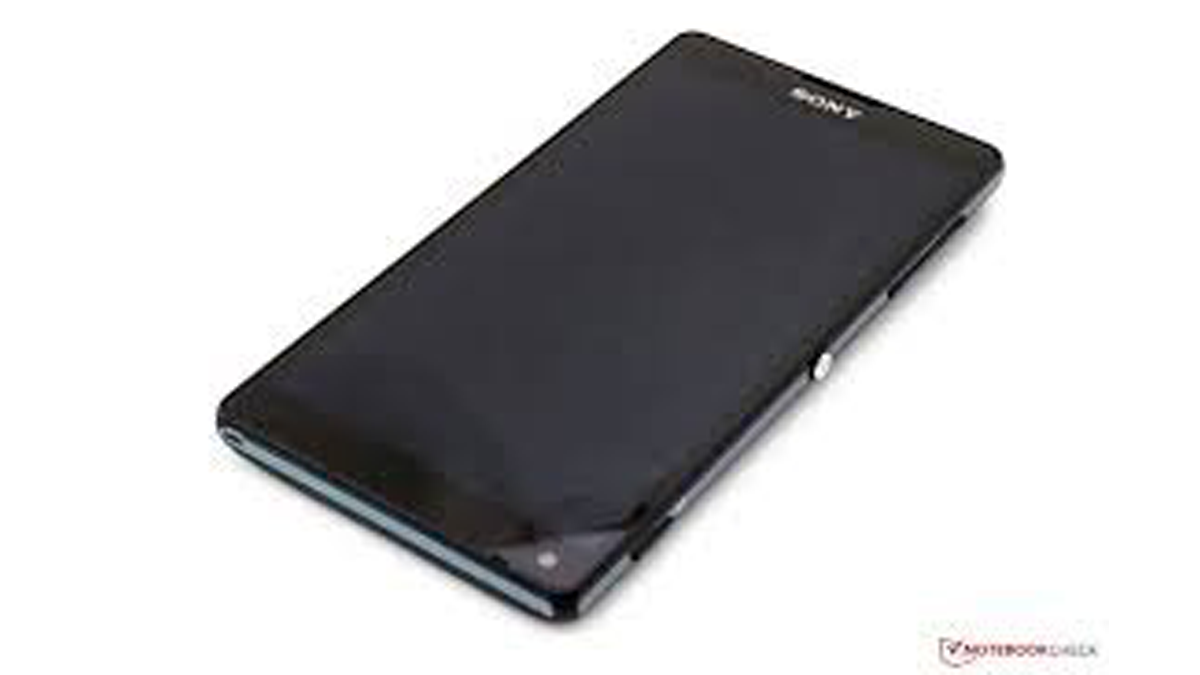
National Semiconductor has introduced a stereo analogue subsystem with integrated Class G headphone amplifier and automatic level control (ALC) for smartphones.
The chip’s Class G headphone amp is designed to dynamically reduce the supply voltage to lower power consumption and extend audio (MP3, movies, etc.) playback time.
The loudspeaker’s ALC provides designers with several options to control audio distortion levels and prevent speaker damage.
Designated the LM49251, the IC combines a 1.4W Class D speaker amplifier, 20mW Class G headphone amplifier and ALC in a 2.55 x 3.02mm package.
Power consumption is specified at less than 7mA quiescent current at 3.3V for the loudspeaker and headphone.
There is also a programmable output power limiter for speaker protection and clip level select.
For more read: Smartphone with Class G amp runs on 7mA audio chip
- What is the primary application of the LM49251?
It is designed for portable handheld applications such as cellular phones. - How does the Class G headphone amplifier improve efficiency?
It uses dynamic supply rails to create a ground-referenced output with optimum efficiency. - Can the device suppress audible transients during power-up?
Yes, it features advanced click-and-pop suppression to eliminate audible transients on power-up/down. - What interface controls the volume and mode selection?
An I2C compatible interface controls mode selection, shutdown control, and volume. - Does the speaker amplifier offer protection against damage?
Yes, it includes a Power Limiter Speaker Protection feature. - How does the E2S output affect RF emissions?
The patented ultra-low EMI PWM architecture significantly reduces RF emissions. - What is the typical quiescent current for the loudspeaker and headphone?
Power consumption is less than 7mA quiescent current at 3.3V. - What package size does the LM49251 come in?
It is available in an ultra-small 30-bump DSBGA package measuring 2.55mm x 3.02mm.
