
Summary of ENHANCE VR IMMERSION BY SHOEHORNING AN AMBILIGHT INTO A HEADSET
This article describes the VR Ambilight project by [Statonwest], which enhances VR immersion by projecting matching ambient colors into the user's peripheral vision. By utilizing a spare USB port on the Valve Index headset, the system uses an Arduino and small RGB strips controlled by software to mimic screen edges. This simple hardware hack transforms standard VR viewing into a more immersive experience without complex modifications.
Parts used in the VR Ambilight:
- Valve Index headset
- Arduino microcontroller
- Small RGB strips
- Software for color processing
- Diffusor panel
Everyone wants a wider field of view in their VR headsets, but that’s not an easy nut to crack. [Statonwest] shows there’s a way to get at least some of the immersion benefits with a bit of simple hardware thanks to the VR Ambilight.
A few years ago the Ambilight showed up as a way to spice up TV viewing by using an RGB strip mounted to the back of the TV. The RGB lighting would create a sort of ambient halo of color around the screen, but the kicker was that the colors were chosen to match what was happening on-screen, giving the impression that the screen content was spilling out into the surrounding area.
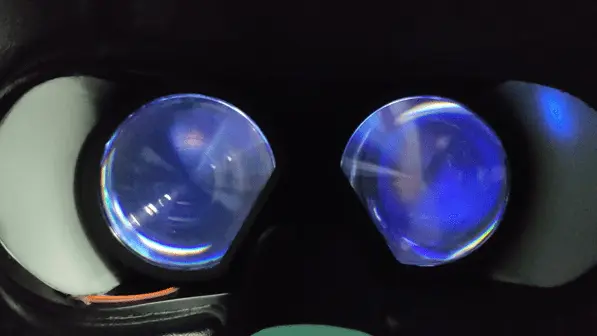
It was a neat effect that spawned remakes and improvements, and one day someone got the idea to combine the concept with VR headsets. [Statonwest] added a tiny Ambilight to the Valve Index, making use of the spare USB port on the front of the device which is a nice piece of hacker-friendly design.
The VR Ambilight puts the RGB lighting into the user’s peripheral vision, and just like the original Ambilight, the colors are chosen to match what’s happening at the edges of the on-screen content. It involves only an Arduino, some small RGB strips, and a piece of software. If you’re curious, it might make a good weekend PC VR project. You just might that stuff already hanging around in your parts bin.
If you want to add a DIY Ambilight to your TV, that’s not too hard. The best ones will handle any video source.
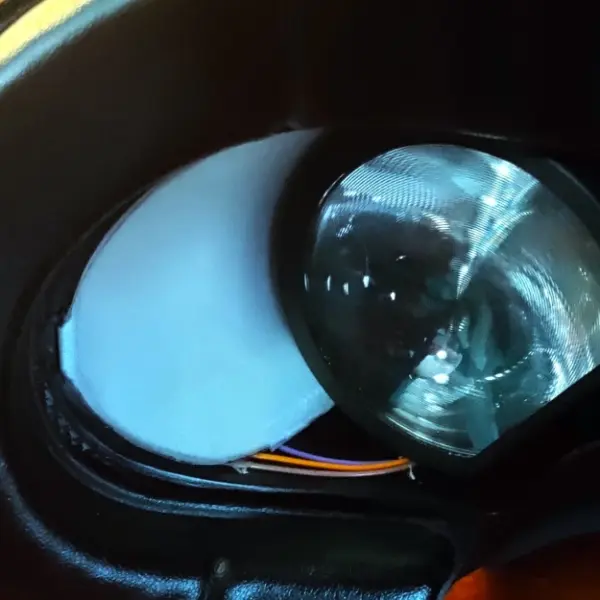
Source: RGB strip tucked behind a diffusor panel.
- How does the VR Ambilight enhance the VR experience?
It puts RGB lighting into the user’s peripheral vision with colors that match what is happening at the edges of the on-screen content. - What hardware components are required for this project?
The project involves only an Arduino, some small RGB strips, and a piece of software. - Where is the power connection located on the Valve Index for this build?
The setup makes use of the spare USB port on the front of the device. - Does the VR Ambilight require complex modifications to the headset?
No, it is described as a simple hardware project using a tiny Ambilight added to the existing device. - Can this concept be applied to traditional televisions?
Yes, adding a DIY Ambilight to a TV is not too hard and can handle any video source. - Is this project suitable for a weekend PC VR build?
Yes, the article suggests it might make a good weekend PC VR project if you have the parts already. - How are the colors selected for the ambient lighting?
The colors are chosen to match what is happening on-screen or at the edges of the content. - What is the primary goal of combining Ambilight with VR headsets?
The goal is to get at least some of the immersion benefits of a wider field of view.
